Author: Rick Cummings, Program Evaluation Services,Alan Woodward, Alan Woodward Consulting, Jen Lorains, Childrens Ground, Adriaan Wolvaardt, Minderoo, Catherine Wade, Parenting Research Centre
It is estimated that over $2.4 billion is given annually in philanthropic and charitable causes in Australian. This is a very significant amount of funding and yet there is little to no research on how these funds and programs are evaluated. The AES Fellows are conducting an interactive session to look both at the role of evaluation in philanthropy and the role of philanthropy in evaluation. The aim is to identify issues in this field, to generate discussion between attendees and philanthropic organisations, and to build some bridges between evaluators and philanthropists for future research and evaluation activities. We have representatives from three of the key stakeholder groups in this area – philanthropic organisations, agencies relying on philanthropic funding, and evaluators who have worked in this area - to give short presentations on their experiences working in this area and issues which they face. These presenters will form a panel, with a Fellow as moderator. Based on these talks, audience groups will be formed and facilitated by a panel member or a Fellow to discuss issues and experiences. From these discussions, the panel will then respond to these audience generated issues/questions.
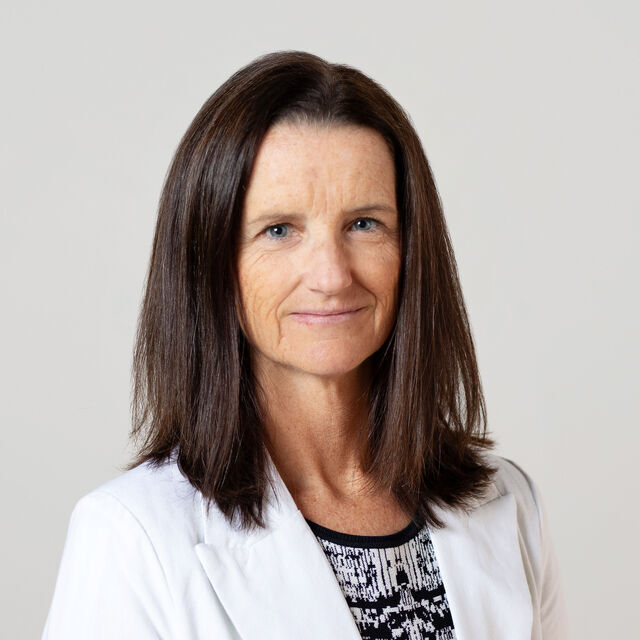
Rick Cummings is an Emeritus Professor in Public Policy at Murdoch University. He has 40 years of experience conducting evaluation studies in education, training, health, and crime prevention primarily for the state and commonwealth government agencies and the World Bank. He currently... Read More →
Research, Evaluation and Learning Manager, The Ian Potter Foundation
I am always intrigued by how we come to definitions, how words resonate differently for individuals and what it all means. On a more practical note! I am interested in people's perceptions on proportionality, how we think about it, and how we support it when it is often not what appears... Read More →
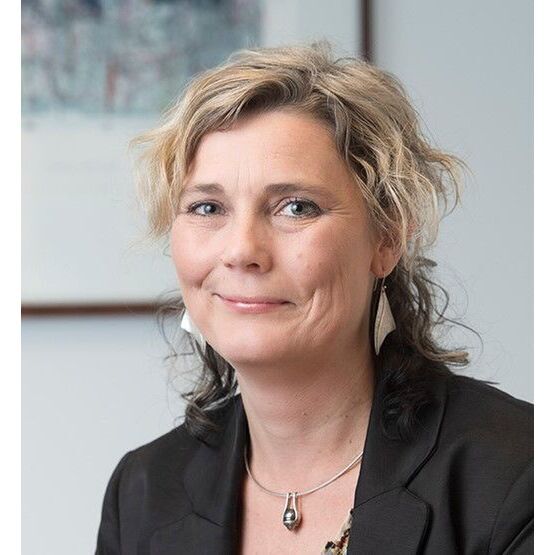
Jen Lorains is the Director of Research & Evaluation at Children’s Ground. She works with each community to evaluate and evidence the impact of Children’s Ground’s empowerment, systems reform and integrated service platform.Jen has undergraduate and postgraduate qualifications... Read More →
My evaluation experience is broad, ranging from the conduct of evaluations of programs and services, the commissioning of evaluations, the engagement of communities on evaluation activities, the design of evaluation strategies and capacity building within organisations. I work in... Read More →
Dr Jess Dart is the founder and CEO of Clear Horizon, an Australian-based specialist evaluation company. Having received the 2018 Outstanding Contribution to Evaluation Award from the Australian Evaluation Society (AES), Jess is a recognised leader with over 25 years of experience... Read More →
Principal Research Specialist, Parenting Research Centre
Dr Catherine Wade is Principal Research Specialist at the Parenting Research Centre and a Research Affiliate with the Faculty of Health Sciences at the University of Sydney. Catherine is leading a programme of research at the Parenting Research Centre investigating aspects of the... Read More →
Thursday September 17, 2026 10:30am - 11:30am ACST Waterfront 3Stokes Hill Rd, Darwin City NT, Australia

The AES has been exploring its vision of “quality evaluation that makes a difference” through a strategic project - engaging members and examining evaluation theory and practice. This work has surfaced a central challenge: while the phrase is compelling, its meaning is complex, contested, and shaped by context.
This roundtable begins from that complexity—but does not seek to resolve it. Instead, it focuses on what comes next. We will briefly share insights from the journey so far, including the multiple dimensions of “evaluation”, “quality”, and “making a difference”. These span tensions between evaluation as process, product, and profession; competing perspectives on quality (e.g. standards, utility, impact, values); and diverse understandings of use and influence across contexts and stakeholders.
The primary purpose of the session is to co-design how this conversation continues across the AES community. Participants will engage in facilitated small-group discussions to explore key questions: What does quality evaluation mean in your context? Who defines it? What does “making a difference” look like—and for whom? How should these conversations evolve as contexts, practice, and membership change?
Participants will then work together to identify practical ways to sustain and deepen engagement, such as ongoing communities of practice, publications, podcasts, or future conference formats. The session will capture and share these ideas to inform AES’s ongoing work.
Designed for intermediate to advanced evaluators, this roundtable creates space for collective reflection and future-oriented dialogue. By centring plurality and participation, it supports the AES vision by keeping the conversation alive—recognising that what constitutes “quality evaluation that makes a difference” must continue to evolve with the field.