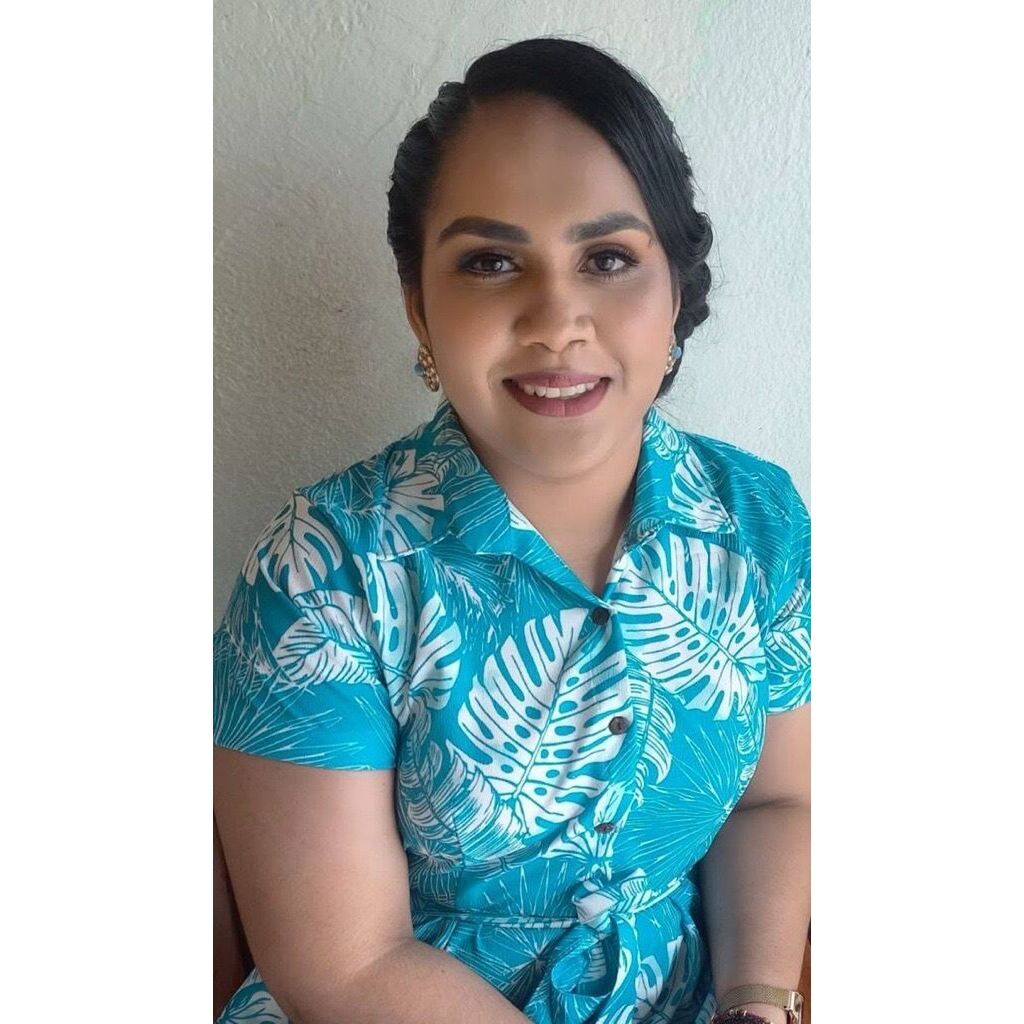
Author: Maedeh Aboutalebi, Good Sheppard Good Shepherd Australia New Zealand is piloting an innovative ecological family and domestic violence (FDV) emergency accommodation model at Bridget House, offering safe, culturally responsive, short-term housing for Culturally and Linguistically Diverse (CALD) women and children. The service replaces motel accommodation and integrates a wrap-around service hub providing therapeutic, educational, legal, and wellbeing supports, delivered on-site and via outreach. The design was informed by women with lived experience of FDV to ensure culturally safe, child-friendly, and practical spaces.
Using a developmental evaluation approach, staff reflections and interviews captured real-time insights during implementation. Seven reflective journaling sessions between July and November 2025 were analysed using reflexive thematic analysis, identifying seven key themes: client journey, service model principles, wrap-around support, client outcomes, service realities, program adaptation, and recommendations. Findings illustrate how predictable routines, cultural awareness, communal support, and integrated services fostered safety, empowerment, and early positive outcomes for mothers and children.
This presentation will share practical wisdom for implementing trauma-informed, client-centred, and culturally responsive FDV emergency accommodation, highlighting lessons for real-time adaptation, program sustainability, and the development of feasible alternatives to motel-based housing for CALD families.