Loading…
This is the draft aes26 program, subject to change. To register for workshops and the conference, go to: https://www.aes26.aes.asn.au/
Wednesday, September 16
 

2:30pm ACST

Evaluation as a Bridge: The Multiple Hats of MEL in Scaling Government-led Graduation Programmes
Wednesday September 16, 2026 2:30pm - 3:00pm ACST
Authors: Kristian Paolo Torres, BRAC Ultra-Poor Graduation Initiative, Tania Dora Warokka, BRAC Ultra-Poor Graduation Initiative, Arnaldo Pellini, BRAC Ultra-Poor Graduation Initiative
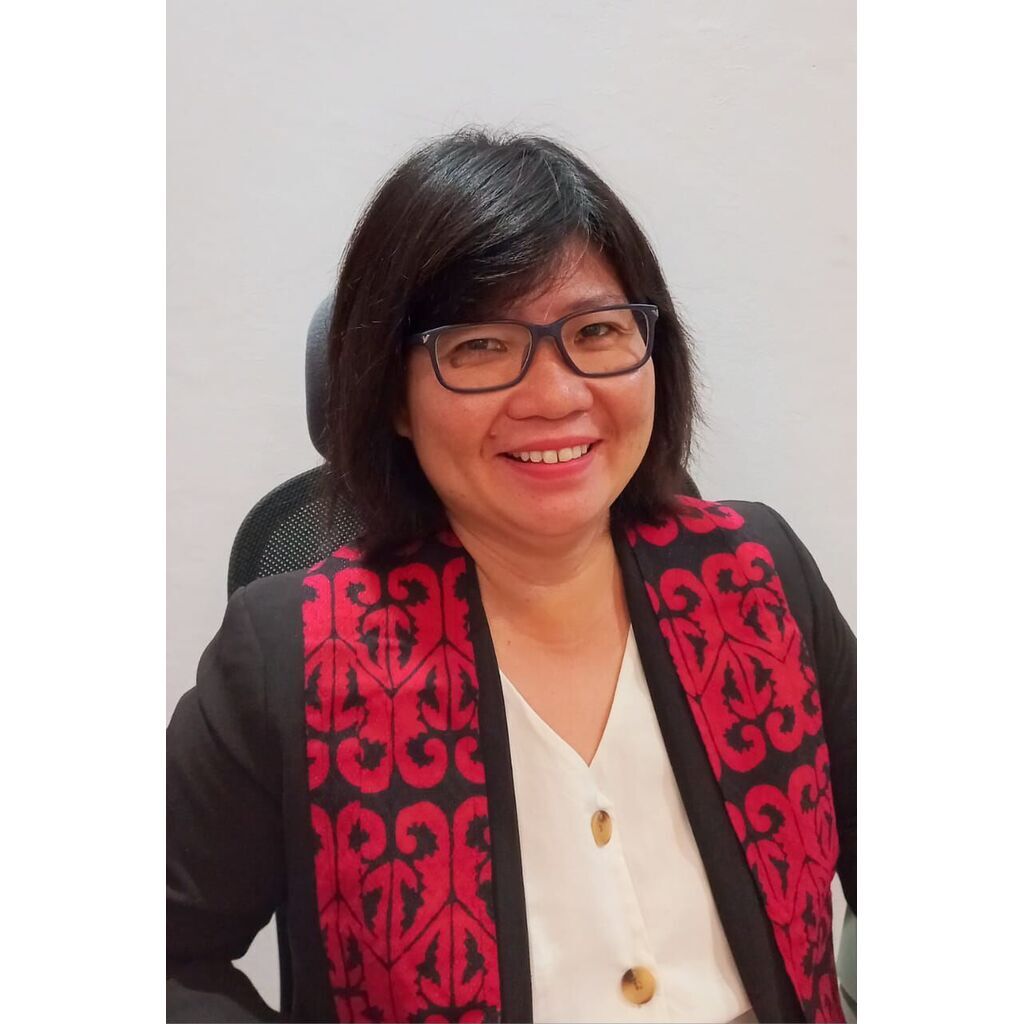
Programmes aiming to influence governance systems and policy reforms—particularly those using experimental approaches—require MEL functions that are able to move across design, strategy, context analysis, and sensemaking.

Traditional M&E often prioritizes linear accountability, struggling to measure influence on policies and behaviors (as noted by the ODI RAPID programme, 2006–2020).

This presentation shares the experience of the BRAC Ultra-Poor Graduation Initiative, which partners with governments across six countries to scale the ‘Graduation’ approach through national social development systems (e.g. social protection, livelihood, labour and employment, etc.). Because UPGI’s success is measured by policy influence and system change rather than direct delivery, the MEL function must act as a strategic bridge rather than a neutral observer.

Drawing on our experience in Indonesia and the Philippines, we share how MEL supports country teams as adaptive units navigating two primary challenges: calibrating the interplay between political commitment, administrative feasibility, and technical quality; and designing for scale from the outset to ensure government ownership rather than isolated pilot results.

We argue that a team learning culture—rather than a "neutral" M&E function—is the essential infrastructure for this work. By establishing specific habits to capture field experience and inform strategic decisions, MEL acts as the "many-hatted" bridge required to navigate these dynamic systemic boundaries and prevent programmes from remaining stagnant.

We will share three core insights from our MEL experience:

1. How the evaluator’s role shifts to an active learning partner, framing field evidence to navigate political and administrative boundaries.
2. How practical tools—such as Capacity and Commitment Rubrics and Diaries—support teams in documenting for learning rather than reporting for compliance.
3. Real-world examples where structured reflection informed specific shifts in government engagement strategies.

The session will also engage the audience in a "Reflection Micro-Workshop" where participants will share insights from their own work and experiences.

Speakers
KP

Kristian Paolo Torres

Research, Evaluation, and Knowledge Management Specialist, BRAC Ultra-Poor Graduation Initiative
TD

Tania Dora Warokka

Senior MEL and Research Analyst, BRAC Ultra-Poor Graduation Initiative
Wednesday September 16, 2026 2:30pm - 3:00pm ACST
Waterfront 3 Stokes Hill Rd, Darwin City NT, Australia

 
  • Filter By Date
  • Filter By Room
  • Filter By Type
  • Format
  • Audience Level
  • Industry
  • ID
  • Timezone

Share Modal

Share this link via

Or copy link

Filter sessions
Apply filters to sessions.