Loading…
This is the draft aes26 program, subject to change. To register for workshops and the conference, go to: https://www.aes26.aes.asn.au/
Audience: Intermediate clear filter
Wednesday, September 16
 

9:00am ACST

Opening plenary: Welcome to Country followed by Robyn Ober "Being comfortable with discomfort"
Wednesday September 16, 2026 9:00am - 10:30am ACST
Welcome to Country
Opening address: President, Australian Evaluation Society

Being comfortable with discomfort
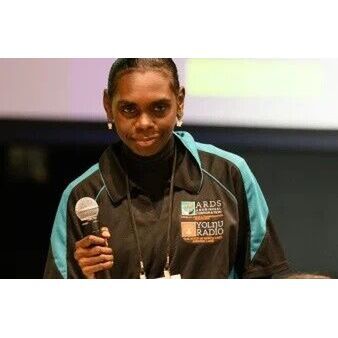
Robyn Ober, Batchelor Institute of Indigenous Tertiary Education, Lead Researcher and Educator

This keynote challenges evaluators and commissioners to get comfortable with discomfort, and to rethink what ethical, rigorous evaluation looks like when it happens on Country.

Responding to the aes26 theme Making Space, Valuing Place, Dr Robyn Ober draws on three decades of practice in Aboriginal communities to show how traditional knowledge systems and contemporary evaluation can work together.

Through vivid stories from remote and very remote contexts, the talk brings to life the tensions at the heart of evaluation practice: timelines versus relationships, control versus trust, and methodological neatness versus lived reality. At the centre is the Community Researcher Approach, where local people are co-researchers who shape the questions in collaboration with evaluators, lead conversations in language, and make meaning on their own terms.

The talk argues that ethics and integrity are enacted in how we show up, who holds authority, and whether participants’ voices are recognised, respected and valued so they feel safe to share their own truths. Integrity is also enacted when Aboriginal people can see that the purpose of evaluation is for the benefit of Aboriginal people. You’ll leave with practical ways to commission and conduct evaluation on Country to strengthen voice, evidence quality and impact.
Speakers
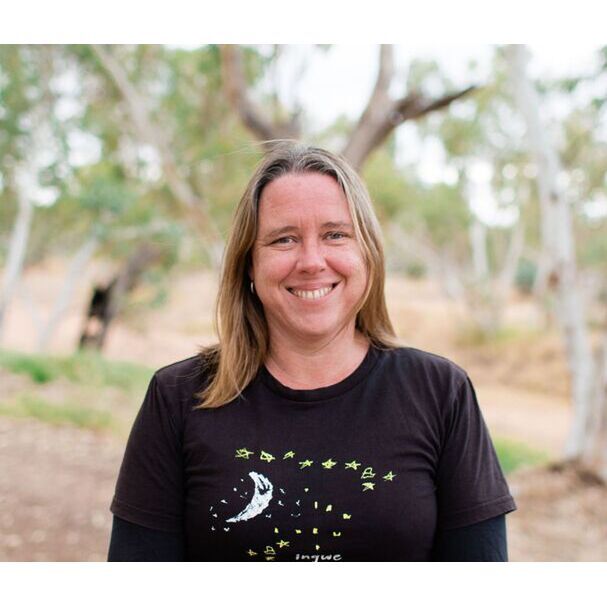
avatar for Robyn Ober

Robyn Ober

Lead Researcher and Educator, Batchelor Institute of Indigenous Tertiary Education
Robyn is a Mamu/Djirribal woman from Far North Queensland. She is a Lead Researcher and educator at Batchelor Institute and has extensive experience in the Northern Territory that spans three decades. She is well renowned for her expertise of both-ways pedagogy, working to combine... Read More →
Wednesday September 16, 2026 9:00am - 10:30am ACST
Hall 2

11:00am ACST

Beyond Silos: A Technology–Evaluation Partnership Building a Digital Data Pipeline
Wednesday September 16, 2026 11:00am - 11:30am ACST
Authors: Kristine Tuban, Save the Children, Martin Holmstrand, Save the Children
This presentation showcases MEAL Uplift, a regional initiative by Save the Children Australia that strengthens digital monitoring, evaluation, accountability, and learning (MEAL) across Pacific Country Offices through a close partnership between programme teams, MEAL, and the Technology team. The presentation focuses on how this collaboration produced a practical, co‑created digital solution while building long‑term organisational capability.

The objective of the presentation is to demonstrate why cross‑disciplinary partnership is critical to improving data quality, efficiency, and use in evaluation practice, and how evaluation can actively shape digital transformation, rather than simply adopting technological tools after they are introduced. This is important in contexts where teams face increasing reporting demands but limited capacity to manage fragmented or manual data systems.

The core argument is that sustainable digital MEAL is achieved when three elements are intentionally integrated:
(1) Digital systems and infrastructure, illustrated through a custom‑built data collection app and automated data pipeline co‑designed with the Technology team to address efficiency and quality challenges;
(2) Skills and behaviours, supported through targeted training, coaching, and practical use of real data; and
(3) Scaling and institutional support, through shared standards, governance, and regional scaffolding that embeds digital MEAL into everyday practice.

The presentation will follow this three‑part structure, using concrete examples and lessons from MEAL Uplift to show what worked, what changed, and why.

Participant engagement will be promoted through short reflection prompts on participants’ own digital MEAL challenges, followed by shared discussion and an open Q&A focused on transferable ideas and co‑created solutions across different organisational contexts.
Speakers
KT

Kristine Tuban

Regional Monitoring, Evaluation, Accountability, And Learning Technical Adviser, Save the Children
MH

Martin Holmstrand

Technical Data Lead, Save the Children
Wednesday September 16, 2026 11:00am - 11:30am ACST
Waterfront 2 Stokes Hill Rd, Darwin City NT, Australia

11:00am ACST

How should we evaluate legal policy?
Wednesday September 16, 2026 11:00am - 11:30am ACST
Authors: Caitlin Morton, Maggie Hawkins (Attorney General's Department)
This session poses the question – how should we evaluate legal policy? Evaluators across all sectors encounter legal frameworks, yet few forums explicitly address how law itself can and should be evaluated. This session seeks to help carve out that space within evaluation practice.

Strong approaches to evaluating legal policy are critical to achieving just, fair, and secure society - the remit of the Attorney-General's Department. In this session, past and current evaluators from the AGD reflect on observations, challenges, and conversations, and invite discussion on what it looks like when legal policy is working well. We present an overview of existing dialogue on this question, and argue that it is critical to examine the social and ethical foundations of legal policy, the principles that inform legal policy, and how the law can support the operation of impactful legal policy.

We will investigate how law does and does not align with the beliefs and assumptions of the communities it touches, and how law is interpreted and put into practice. Together we will explore localisation as a major challenge and opportunity in evaluating legal policy – noting the persistent regional/metro divide in accessing legal services, and diversity between communities and across states, which always requires collaboration.

This session is critically important to evaluators as law touches all public policy, which in turn impacts the operations of not just federal governments, but local and state governments, private businesses, community organisations, not-for-profits, and more.
Speakers
CM

Caitlin Morton

Acting Director
MH

Maggie Hawkins

Evaluation Lead, Attorney General's Department
Wednesday September 16, 2026 11:00am - 11:30am ACST
Waterfront 1 Stokes Hill Rd, Darwin City NT, Australia

11:00am ACST

Two Worlds Evaluation: Shifting power back to community and embedding Indigenous Data Sovereignty in practice
Wednesday September 16, 2026 11:00am - 11:30am ACST
Authors: Jess Moniodis (North Australian Aboriginal Family Legal Service), Mona Roberts (North Australian Aboriginal Family Legal Service)
This session will examine how NAAFLS is embedding Indigenous Data Sovereignty and Governance principles into program evaluation. Our evaluation applies Indigenous-led qualitative methodologies that are explicitly aligned with nationally recognised victim-survivor principles. These methods prioritise safety, choice, voice, control, dignity, healing, and accountability across stages of the evaluation.

Guided by a two-worlds approach, and place-based victim-survivor led solutions, we recognise that well-intentioned initiatives can sometimes unintentionally create negative impacts rather than support community-defined outcomes.

NAAFLS aims to address this by co-creating an evaluation approach that places First Nations perspectives on safety and wellbeing at the forefront, while aligning with nationally recognised victim-survivor and organisational principles. We will explore how evaluation has helped restore ethics and integrity in a complex setting to support collective learning across stakeholders and shift power back to our communities. Our approach prioritises women’s voices, lived experience, cultural knowledge, and the inclusion of diverse perspectives to ensure evaluation is grounded in the lived realities of those most affected.

Informed by a two-worlds approach and Our Ways – Strong Ways – Our Voices: National Aboriginal and Torres Strait Islander Plan to End Family, Domestic and Sexual Violence 2026–2036, this work centres victim-survivors, Elders, community members, service providers, and experienced professionals in defining success, shaping accountability, and guiding learning and improvement. This presentation will demonstrate NAAFLS practical application of a two-way lens - sharing our approach and reflections in translating Indigenous Data Sovereignty from principle into practice. It will also discuss lessons learned in embedding best-practice principles, supporting place-based understanding, and strengthening sustainable, community-led pathways for support.

Participants will be encouraged to reflect on their own practice, share their experiences and challenges, and discuss practical ways to embed Indigenous Data Sovereignty into evaluation practices.
Speakers
JM

Jess Moniodis

North Australian Aboriginal Family Legal Service
MR

Mona Roberts

North Australian Aboriginal Family Legal Service
Wednesday September 16, 2026 11:00am - 11:30am ACST
Rooms 1+2 Stokes Hill Rd, Darwin City NT, Australia

11:00am ACST

Application of Social Network Analysis (SNA) in evaluation within the social services context
Wednesday September 16, 2026 11:00am - 11:30am ACST
Authors: Catherine Wade (Parenting Research Centre), Matt Healy (First Person Consulting), Fiona May (Parenting Research Centre)
Social Network Analysis (SNA) is a systems methodology that maps and measures the relationships between actors in a system - revealing how information flows, where influence sits, and where collaboration can be strengthened. While widely used in research and policy contexts internationally, SNA remains underutilised in Australian evaluation practice, particularly in the social services sector where understanding partnership networks is critical to achieving outcomes.

This paper presents SNA as both a practical evaluation tool and a method for surfacing the relational dynamics that traditional approaches often miss. Drawing on applied examples from recent social services projects, we demonstrate how SNA can be used to assess whether programs are building the collaborative networks they intend to, identify structural gaps in service systems, and track network change over time. One example used to showcase the method will be a project exploring the social networks that mothers from culturally and linguistically diverse backgrounds rely on when making decisions about infant sleep practices.

The project aims to map these networks, identify the types of information shared, and examine how they influence mothers’ engagement with safe-sleep education.

Three key messages will be explored in the paper: how SNA complements existing evaluation methods rather than replacing them; what it takes to design and implement SNA in complex service environments; and how findings can be communicated to diverse stakeholders in ways that are actionable and meaningful.

The presentation combines a conceptual introduction with worked examples, and will include structured discussion inviting participants to consider how SNA might apply to their own evaluation contexts.
Speakers
avatar for Matt Healey

Matt Healey

Principal Consultant | Co-Founder, First Person Consulting
I'm Matt, Co-Founder of First Person Consulting. I work at the intersection of systems thinking, evaluation and design — helping people make sense of messy, complex problems with a healthy dose of humour and humility. I also co-host the It Depends Podcast, where the honest answer... Read More →
CW

Catherine Wade

Principal Research Specialist, Parenting Research Centre
Dr Catherine Wade is Principal Research Specialist at the Parenting Research Centre and a Research Affiliate with the Faculty of Health Sciences at the University of Sydney. Catherine is leading a programme of research at the Parenting Research Centre investigating aspects of the... Read More →
Wednesday September 16, 2026 11:00am - 11:30am ACST
Rooms 3+4 Stokes Hill Rd, Darwin City NT, Australia

11:00am ACST

Practical ways to make space for place in the Evaluation of Regreening
Wednesday September 16, 2026 11:00am - 11:30am ACST
Author: Alice Muller, World Vision
Evaluators and development practitioners need to understand how environmental changes impact and result from development programming.  Often finding practical ways to do is a challenge, particularly where complex environmental, biodiversity and climate systems are involved, and where evaluators and practitioners come from social or economic backgrounds with limited biophysical or ecological training. This paper shares how we can better value place and understand environmental consequences in international development projects by letting evaluations be locally-led, with local knowledge and values at the center.

Drawing on real‑world examples from World Vision’s Regreening Communities work, the paper presents three simple tools used by communities t Together, these approaches value place by centring local and Indigenous knowledge and values, assessing change from a local perspective, in a standardised way and using spatial tools that together still contribute to organisational‑level evidence.

First, a community mapping and planning exercise makes space for diverse groups within a community to define what regreening and wellbeing mean in their own environments, surfacing cultural, livelihood and social values that are often invisible in standard indicator frameworks. Second, a community‑assessed Regreening Index provides a structured and repeatable way to assess biophysical conditions and trends over time in relation to community priorities, while still enabling consistent comparison across sites and projects. Third, spatial mapping of regreening sites using a powerful, but freely available tool adapted from the WASH sector, enables evaluators to examine patterns and cumulative effects at project and organisational levels.

While none of these tools is unique in isolation, when combined they lower barriers to including environmental considerations in evaluation practice and generate insights that strengthen learning, adaptive management and sustainability discussions, ethically. The presentation will share engaging practical examples and invite participants to reflect on opportunities to better value place within their own work.


Speakers
avatar for Alice Muller

Alice Muller

Senior Monitoring and Evidence Advisor, World Vision
An environmental scientist, working in international development, interested in evaluation and learning about all things community, trees, ecosystem restoration, climate action, scaling and systems transformation.  
I also really like coffee and chatting about gardening, travel and animal anecdotes if you need a break anytime... Read More →
Wednesday September 16, 2026 11:00am - 11:30am ACST
Waterfront 3 Stokes Hill Rd, Darwin City NT, Australia

11:30am ACST

Building culturally grounded evaluation, led by First Nations communities
Wednesday September 16, 2026 11:30am - 12:30pm ACST
Authors: Jen Lorains (Children's Ground), Veronica Doolan (Children's Ground), Pauline Grant (Children's Ground), Jackie Treeves (Children's Ground)

For too long our people have been the subjects not the leaders of evaluation and research: “Our people have been researched to death. It’s time we researched ourselves back to life” (William Tilmouth, Senior Arrernte man).
Children’s Ground (CG) is disrupting the status quo in research and evaluation. From daily data collection and designing evaluation tools, to analysing evaluation data through community and culturally centred evaluation frameworks relevant to each place.

Using practice evidence and collaborative reflection about how First Nations communities are leading service/program evaluation for their families and place, the workshop learning objective is that participants will increase their understanding of culturally grounded evaluation and gain practical strategies and skills that can be applied to their evaluation context.

The workshop will consist of two parts, including CG sharing practice evidence, followed by collaborative group/table strategy development.

Firstly, CG’s evaluation principles will be outlined, with First Nations leaders sharing experiences in action. Participants will reflect on 2-3 principles, documenting their effective and challenging experiences of working in line with the principes, then sharing with the larger group. CG’s First Nations leaders will respond, building on the knowledge being generated by the participants.

Secondly, CG’s First Nations leaders will share experiences of developing community and culturally centred evaluation frameworks, including a visual walk through of 2-3 frameworks developed by First Nations communities across three culturally and geographically diverse regions. Comparative examples of evaluation data analysis between CG’s cultural and western evaluation frameworks will also be shared, including methodological implications.

Participants will collaboratively document ideas for supporting First Nations people/communities to develop community and culturally centred evaluation frameworks in their context, then sharing with the larger group.

We believe learning how to embed culturally grounded evaluation from First Nations community’s real-world experience is an important contribution to holistic learning, complements theoretical learning.


Speakers
JL

Jen Lorains

Director Research & Evaluation, Childrens Ground
Jen Lorains is the Director of Research & Evaluation at Children’s Ground. She works with each community to evaluate and evidence the impact of Children’s Ground’s empowerment, systems reform and integrated service platform.

Jen has undergraduate and postgraduate qualifications in applied social research and over 15 years experience designing and undertaking research and evaluation with communities and services. Her interest lies in working with communities to implement and evaluate approaches (within... Read More →
VD

Veronica Doolan

Children's Ground
Wednesday September 16, 2026 11:30am - 12:30pm ACST
Rooms 1+2 Stokes Hill Rd, Darwin City NT, Australia

11:30am ACST

Building your first AI evaluation assistant: From setup to first analysis
Wednesday September 16, 2026 11:30am - 12:30pm ACST
Authors: Ethel Karskens (Clear Horizon), Maree Dibella (Clear Horizon)
What participants will learn: This hands-on session teaches evaluators how to configure and use AI assistants for real evaluation tasks. Participants will leave with a working AI tool customised for their own work, whether that's coding interview transcripts, analysing open-ended survey responses, or synthesising progress reports.

Why this skill matters: Most evaluators have experimented with ChatGPT or similar tools, but few have moved beyond ad-hoc prompting to building reusable, reliable AI workflows. The gap between "asking ChatGPT a question" and "using AI as a systematic evaluation tool" is significant. This session bridges that gap by teaching the practical setup skills that turn general-purpose AI into specialized evaluation assistants that produce consistent, auditable outputs.

As AI becomes standard in evaluation practice, knowing how to configure these tools properly - with the right instructions, quality controls, and workflow integration - is becoming a core professional capability. This session responds directly to evaluators' need for practical AI implementation skills, not just conceptual understanding.

How we'll teach the skill:
Minutes 0-5: Quick orientation - what makes an AI "assistant" different from a chatbot
Minutes 5-15: Live demonstration - the facilitator builds an assistant for interview coding from scratch, narrating decisions
Minutes 15-40: Guided hands-on practice -participants configure their own assistant for a task they choose (interview coding, survey analysis, or report summarisation), using either sample data provided or their own files
Minutes 40-50: Group debrief -participants share one success and one challenge; facilitator troubleshoots common issues

How participants will engage: Participants will work on their own laptops throughout the session, following a structured build process with real-time facilitator support. They'll leave with a configured tool, a workflow template, and practical troubleshooting strategies they can apply immediately in their work.
Speakers
avatar for Ethel Karskens

Ethel Karskens

Head Of Digital, Clear Horizon
I lead the data and insights strategy of Clear Horizon. This includes dashboard development and other data solutions to create insights for our clients.
I am interested in innovation, data for good, and creating a data-driven culture in organisations.
MD

Maree Dibella

Senior Digital Consultant, Clear Horizon
Wednesday September 16, 2026 11:30am - 12:30pm ACST
Rooms 3+4 Stokes Hill Rd, Darwin City NT, Australia

11:30am ACST

What makes place-based evaluation different?
Wednesday September 16, 2026 11:30am - 12:30pm ACST
Authors: Lorraine Heywood, Treasury, Suzanne Butler, Treasury, Jessica Smart, AIFS
This panel discussion and Q&A will provide a lively and thought-provoking discussion about the differences between traditional program evaluation and place-based evaluation, with panel members sharing their experience and examples from different organisational perspectives across the field. 
Speakers
JS

Jessica Smart

Research Fellow, AIFS
avatar for Suzanne Butler

Suzanne Butler

Director, Place-based Evaluation and Wellbeing Unit, Department of Treasury
Suzanne currently leads a team in the Australian Centre for Evaluation (ACE) responsible for embedding good evaluation principles and practices across government and fostering an evaluative culture that supports continuous learning about what works, why, and for whom. This includes... Read More →
LH

Lorraine Heywood

Assistant Director, Department of Treasury
Wednesday September 16, 2026 11:30am - 12:30pm ACST
Waterfront 3 Stokes Hill Rd, Darwin City NT, Australia

11:30am ACST

What! No survey? Introducing the Collective Noticing Method (CNM)
Wednesday September 16, 2026 11:30am - 12:30pm ACST
Author: Jess Dart, Clear Horizon
This paper introduces the Collective Noticing Method (CNM) and explores its relevance for measurement, evaluation and learning (MEL). Developed by the author, CNM offers evaluators and changemakers a collaborative way to notice, learn from, and respond to subtle and emerging changes. It is a rigorous yet flexible method with a strong focus on learning and collective sensemaking, well suited to the “messy middle” of systems change and place-based work. It also has potential for community and grassroots work, program portfolios, and research impact tracking.

Collective noticing as a practice has a long history, evident in approaches such as Outcome Harvesting, Most Significant Change (MSC), citizen science, ripple effect monitoring, and context monitoring. More recently, this practice has been enabled and accelerated by emerging digital platforms and AI. Building on these foundations, CNM intentionally harnesses the eyes and ears of those implementing and experiencing an initiative to bring shared attention to what is changing.CNM is inherently participatory, inviting many people to observe, document, and interpret change collectively. It values lived experience as a central source of insight, embraces uncertainty, and supports adaptive action grounded in what is actually emerging. As a decolonising and grounded approach to MEL, CNM shares power by broadening who defines what matters and what counts as evidence. It centres learning-oriented measurement and collective sensemaking, bringing forward subtle signals, relational shifts, and everyday insights that conventional approaches often overlook.

CMN involves impact logging and tracking against agreed ways of working and learnings, whereas Outcome Harvesting focuses on outcomes and tends to be done as a one-off study. It differs from MSC in that CNM uses shorter, multi-perspective logs across diverse categories and evidence types.This session introduces CNM and invites participants to critically explore its benefits, limitations, and the contexts in which it is most—and least—useful.
Speakers
avatar for Jess Dart

Jess Dart

CEO, Clear Horizon
Dr Jess Dart is the founder and Chief Evaluator of Clear Horizon, an Australian-based specialist evaluation company. Having received the 2018 Outstanding Contribution to Evaluation Award from the Australian Evaluation Society (AES), Jess is a recognised leader with over 25 years of... Read More →
Wednesday September 16, 2026 11:30am - 12:30pm ACST
Waterfront 2 Stokes Hill Rd, Darwin City NT, Australia

12:00pm ACST

The ethics of independence – what does ‘independent evaluation’ mean in 2026?
Wednesday September 16, 2026 12:00pm - 12:30pm ACST
Author: Jo van Twest Farmer (Rooftop Social)

Independence is often posited as a primary means of ensuring evaluation is rigorous, trustworthy and fair. Independence is Norm 4 of the United Nation’s Evaluation Group Norms and Standards for Evaluation (2016), which states it is “necessary for credibility”. Built into this standard are two concepts – behavioural independence (evaluating without undue influence) and organisational independence (structures that support independent practice). For many in the evaluation landscape, the best means of ensuring independence has been for ‘independent evaluators’ to conduct ‘independent evaluations’.
Discussions around what constitutes independence have long been a feature of evaluation literature, but arguably there have never been so many pressures on maintaining independence in evaluation. There is growing interest in evaluation approaches where the relationships between program delivery and evaluation is less clear-cut, such as developmental, participatory and lived experience-led evaluations. As evaluation capability grows, evaluation functions are more widespread across teams and embedded in business-as-usual learning practice, rather than contracted out. Less positively, changing fiscal conditions place more pressure on organisations to undertake evaluation with less capacity for external expertise and support. The need to demonstrate impact to access funding in tightening funding environments means evaluations are higher stakes than ever, and there are often vested interests in demonstrating programs are effective.
This short paper will discuss what independence means in 2026, arguing that evaluation has moved beyond ‘organisational independence’ and must instead focus on how to support ‘behavioural independence’. Contemporary evaluation practice requires understandings of independence grounded in ethics and integrity. This approach directly challenges traditional role boundaries in evaluation, such as external versus internal or participant versus evaluator. In responding to the challenges of maintaining independence in 2026 and beyond, the presentation will suggest criteria to support evaluators to guide the ethics of their own practice, and a framework for upholding independent practice.

Speakers
avatar for Jo van Twest Farmer

Jo van Twest Farmer

Rooftop Social
Wednesday September 16, 2026 12:00pm - 12:30pm ACST
Hall 2

12:00pm ACST

The Reckoning
Wednesday September 16, 2026 12:00pm - 12:30pm ACST
Author: Salli Cohen (The Policy Room)
This presentation explores the uncomfortable space where policy and evaluation structurally reinforce harm. Its objective is to challenge assumptions of neutrality and examine how evaluative frameworks can either illuminate or obscure inequity.
The core argument is threefold: (1) evaluation and policy are never neutral and must interrogate power; (2) systems alignment and cultural authority determine whether outcomes are real or performative; and (3) accountability must ask “for whom” evaluation and policy work; and who bears the cost.
The session blends applied case insight with structured reflection and peer dialogue to provoke critical engagement and practical recalibration.
Speakers
SC

Salli Cohen

Founder, The Policy Room
Wednesday September 16, 2026 12:00pm - 12:30pm ACST
Waterfront 1 Stokes Hill Rd, Darwin City NT, Australia

1:30pm ACST

Plenary: Lígia Teixeira "From evidence to impact: reclaiming evaluation as a means to an end"
Wednesday September 16, 2026 1:30pm - 2:30pm ACST
From evidence to impact: reclaiming evaluation as a means to an end
Lígia Teixeira, Founder and Chief Executive of the Centre for Homelessness Impact

Evaluation has never been more sophisticated, yet many challenges it seeks to address remain stubbornly persistent. Across sectors, we generate high-quality evidence, but too often struggle to translate it into meaningful, sustained impact. The risk is not just a lack of rigour, but a loss of connection to purpose: the way evaluation is used within systems can allow it to become an end in itself, rather than a means to improve lives.This keynote argues for renewed focus on evaluation as a discipline of impact. Drawing on international efforts to tackle homelessness, it explores how outcomes are shaped not by individual interventions alone, but by the systems in which they operate. Without a systems lens, even strong and diverse forms of evidence – quantitative, qualitative and lived - can lead to fragmented action, missing the broader dynamics that ultimately determine success.

The keynote reflects on how evaluation can better connect global insight with local context, enabling faster learning while respecting place-based realities. It also argues that effective systems prevent harm before it occurs, rather than responding once it is entrenched.

This is a call to re-centre evaluation on its core purpose: not just to understand the world, but to change it.
Speakers
avatar for Lígia Teixeira

Lígia Teixeira

Founder and Chief Executive, Centre for Homelessness Impact
Dr Lígia Teixeira is the Founder and Chief Executive of the Centre for Homelessness Impact , part of the UK Government’s What Works Network. She works with governments and cities to rethink how homelessness is understood and addressed – using data, evidence, and experimentation... Read More →
Wednesday September 16, 2026 1:30pm - 2:30pm ACST
Hall 2

2:30pm ACST

Evaluation as a Bridge: The Multiple Hats of MEL in Scaling Government-led Graduation Programmes
Wednesday September 16, 2026 2:30pm - 3:00pm ACST
Authors: Kristian Paolo Torres, BRAC Ultra-Poor Graduation Initiative, Tania Dora Warokka, BRAC Ultra-Poor Graduation Initiative, Arnaldo Pellini, BRAC Ultra-Poor Graduation Initiative
Programmes aiming to influence governance systems and policy reforms—particularly those using experimental approaches—require MEL functions that are able to move across design, strategy, context analysis, and sensemaking.

Traditional M&E often prioritizes linear accountability, struggling to measure influence on policies and behaviors (as noted by the ODI RAPID programme, 2006–2020).

This presentation shares the experience of the BRAC Ultra-Poor Graduation Initiative, which partners with governments across six countries to scale the ‘Graduation’ approach through national social development systems (e.g. social protection, livelihood, labour and employment, etc.). Because UPGI’s success is measured by policy influence and system change rather than direct delivery, the MEL function must act as a strategic bridge rather than a neutral observer.

Drawing on our experience in Indonesia and the Philippines, we share how MEL supports country teams as adaptive units navigating two primary challenges: calibrating the interplay between political commitment, administrative feasibility, and technical quality; and designing for scale from the outset to ensure government ownership rather than isolated pilot results.

We argue that a team learning culture—rather than a "neutral" M&E function—is the essential infrastructure for this work. By establishing specific habits to capture field experience and inform strategic decisions, MEL acts as the "many-hatted" bridge required to navigate these dynamic systemic boundaries and prevent programmes from remaining stagnant.

We will share three core insights from our MEL experience:

1. How the evaluator’s role shifts to an active learning partner, framing field evidence to navigate political and administrative boundaries.
2. How practical tools—such as Capacity and Commitment Rubrics and Diaries—support teams in documenting for learning rather than reporting for compliance.
3. Real-world examples where structured reflection informed specific shifts in government engagement strategies.

The session will also engage the audience in a "Reflection Micro-Workshop" where participants will share insights from their own work and experiences.

Speakers
KP

Kristian Paolo Torres

Research, Evaluation, and Knowledge Management Specialist, BRAC Ultra-Poor Graduation Initiative
TD

Tania Dora Warokka

Senior MEL and Research Analyst, BRAC Ultra-Poor Graduation Initiative
Wednesday September 16, 2026 2:30pm - 3:00pm ACST
Waterfront 3 Stokes Hill Rd, Darwin City NT, Australia

2:30pm ACST

Epistemic Justice: victim survivors of child sexual abuse as co-evaluators
Wednesday September 16, 2026 2:30pm - 3:30pm ACST
Authors: Nic Vogelpoel (Day Four Projects), Malika Reese (Lived Experience Advisor), Sandra Collins (Lived Experience Advisor)
What happens when evaluation is not just informed by lived experience, but led by it?

This presentation offers a rare, practice-based account of a lived experience-led evaluation undertaken with the National Centre for Action on Child Sexual Abuse, where victim survivors worked as co-evaluators across all stages of the process. Established to centre victim survivors in awareness-raising, help-seeking, advocacy and best-practice responses, the Centre provided a powerful context to rethink how evaluation knowledge is produced, and by whom.

The session argues that lived experience-led evaluation is not an ethical “add-on”, but a fundamental shift in values, power and epistemology. Drawing on the evaluation findings, presenters will explore three core propositions.

First, nothing about us without us: moving from evaluation on people to evaluation led by people with lived experience reshapes evaluation questions, evidence, outcomes and definitions of rigour. Second, epistemic justice: lived experience leadership challenges entrenched assumptions about who gets to ask questions, whose knowledge counts, and how institutions respond to new forms of evidence. Third, beyond advice to synthesis: lived experience cannot simply “advise” evaluation, it must be integrated as a distinct way of knowing that transforms the whole evaluation.

Co-presented by lived experience evaluators and Day Four Projects evaluators, the session will combine reflective storytelling, concrete practice examples and facilitated dialogue. Participants will be invited to critically examine their own evaluative assumptions, engage in small-group reflection, and explore practical strategies for making space for multiple knowledge systems while maintaining evaluative integrity and meeting institutional requirements.This session will be particularly valuable for evaluators, commissioners, researchers and practitioners seeking more just, credible and impactful approaches to lived-experience evaluation in complex and sensitive contexts.

Speakers
avatar for Nic Vogelpoel

Nic Vogelpoel

Director, Day Four Projects
We specialise in the theory and practice of good collaboration. We have a particular interest in learning and evaluation for partnerships, platforms and collaborative initiatives. We work with international and domestic partners from multilateral organisations, governments, NGOs... Read More →
MR

Malika Reese

Lived Experience Advisor
Wednesday September 16, 2026 2:30pm - 3:30pm ACST
Waterfront 1 Stokes Hill Rd, Darwin City NT, Australia

2:30pm ACST

Using partnering principles to navigate power and ethics in evaluation
Wednesday September 16, 2026 2:30pm - 3:30pm ACST
Author: Dana Cross (Grosvenor)

Effective evaluation increasingly depends on strong partnerships across communities, commissioners, service providers and evaluators. Yet partnering is often guided by goodwill rather than shared principles, leaving teams vulnerable to power imbalances, ethical drift and unspoken assumptions. This skill building session focuses on principles-based partnering, defined as the deliberate use of a small, shared set of agreed principles to guide roles, behaviours and decision making within evaluation partnerships.

The objective of the session is to build participants’ capability to use partnering principles intentionally and appropriately in real world evaluation contexts, particularly where values, authority and accountabilities differ. Drawing on applied evaluation practice, the session introduces principles based partnering not as a universal solution, but as a supporting mechanism that must be applied judiciously and adapted to context and place.

Participants will develop three core skills:
1.Identifying when partnering principles are likely to be helpful and when they are unlikely to add value or may even create risk.
2.Understanding and applying practical processes for establishing partnering principles, including who should be involved, how principles can be co-created, and how they can be revisited over time.
3. Using principles to navigate tension, power dynamics and ethical dilemmas as they arise during the evaluation lifecycle.

The session is designed as an interactive workshop. Participants will work in small groups to explore short evaluation scenarios, test whether principles-based partnering is appropriate, and practice establishing and applying principles in context. This will be followed by whole group discussion to surface lessons and challenges.
Participants will leave with a clear, adaptable approach for deciding when and how to establish and use partnering principles. The session is suited to foundational and intermediate evaluators seeking hands on skills grounded in real world practice.

Speakers
avatar for Dana Cross

Dana Cross

Associate Director, Grosvenor Public Sector Advisory
Dana is a public sector expert, possessing over 17 years of deep experience advising government organisations on program evaluation, organisational review, service optimisation and performance management. She is a member of Grosvenor’s Executive Leadership Team as Head of Strategy... Read More →
Wednesday September 16, 2026 2:30pm - 3:30pm ACST
Rooms 1+2 Stokes Hill Rd, Darwin City NT, Australia

2:30pm ACST

Ignites
Wednesday September 16, 2026 2:30pm - 3:30pm ACST
Who really benefits from a program and how? Using personae to enrich logic models.
Author: Fiona Scott-Melton, Allen + Clarke
Not everyone experiences a program the same way. Yet logic models tend to obscure differences between population groups experiences, needs and aspirations. Incorporating personae helps address this limitation. By representing distinct population groups within a logic model, personae make visible the different routes through which people experience a program and what they gain from it. Drawing on a real life logic model developed for housing disabled people, the session will show how incorporating personae strengthens evaluation design, enriches social return on investment calculations and produces more compelling findings for stakeholders.

Help! The post-it notes have fallen off our logic model and been mixed up!
Author: Robert Grimshaw, ATO
Can you help us piece the logic model back together? This online interactive group activity is one tool used by a large public sector agency to familiarise people with key logic modelling concepts and thinking. This session will provide a practical demonstration of the activity and how it’s being used by workshop participants to apply their learning in a simple and fun way. Participant feedback has confirmed the value of this tool for engaging with and building the capability of a diverse audience who have limited evaluation capability and experience.

Method vs methodology – what’s the difference, and why it matters 
Author: Martina Donkers, Martina Donkers
We’ve got to stop using the words ‘method’ and ‘methodology’ interchangeably. ‘Methodology’ isn’t a slightly-fancier way of saying ‘method’ – it’s actually what conceptually underpins your method choices, and it’s an important thing to reckon with if you want to do evaluation that speaks to your stakeholders, is culturally responsive, is ethical and proportionate, and is ultimately useful. This quick-fire Ignite session will be a rapid deep-dive into practical ways to think about methodology in evaluation, apply it to traditional practice and emerging approaches, and leverage that thinking to do better evaluative work.

Exploring arts-based methods for project evaluation
Authors: Katie Ronson, Creative Australia, Kirstin Clements, Arts Centre Melbourne
In this presentation evaluation practitioners from Creative Australia and Arts Centre Melbourne share how arts-based evaluation methods can unlock insights about participant experience in contexts where traditional methods struggle.

Evaluating ConnectUp: preferences for a social connectivity app among people with disability and carers
Authors: Feby Savira, Deakin University, Dom Kwasnicka, Deakin University, Lucio Naccarella, Deakin University
Digital platforms are increasingly used to support social connection, yet their design often overlooks the needs of people with disability and their carers. This study evaluates the design of ConnectUp, a social connectivity app, using a discrete choice experiment (DCE) to identify which features matter most and how preferences vary.

A national DCE (n=1,031) was conducted with people with disability, carers, and individuals identifying as both. Participants completed choice tasks comparing hypothetical versions of ConnectUp that varied across cost, communication modes, group structures, anonymity, support features, and information sources. Preferences were analysed using a conditional logit model, with latent class analysis used to identify user segments. Attitudinal questions explored additional features not captured within the DCE.

Three key findings emerge. First, participants were cost sensitive, preferring low- or no-cost options. Second, privacy and control were critical: users preferred small, private group settings and avoided features that compromised anonymity. Third, preferences were heterogeneous. Three segments were identified, including a highly price-sensitive group, a majority group prioritising anonymity and community-generated content, and a smaller segment (18%) more tolerant of cost but still favouring private group structures.

Attitudinal findings highlight additional design considerations. Flexible access features such as membership suspension (73%) and free trial options (77%) were widely valued. Around half of participants prioritised staff training in inclusivity (50%) and access in a preferred language (51%), while over half (54%) preferred human support over automated options.

This presentation demonstrates how combining DCE and attitudinal data can strengthen evaluation of digital services by capturing trade-offs and broader user expectations, and how segmentation can inform more inclusive design decisions. Participants will engage in scenario-based discussion to translate findings into practice.

Thou shall not: The 10 Commandments for Surveys 
Author: Louise Parker, Alinea International
The 10 Commandments for Surveys:
1) Thou shall not ask too many questions - survey fatigue is real and so is wasting people's time. Figure out what you absolutely must know from respondents and craft your questions around that.
2) Thou shall not ask double-barreled questions e.g. 'Did you find the workshop fun and informative?'
3) Thou shall not change the appearance order of repeating yes/no or Likert scale responses - if 'strongly agree' appears on the far right the first time, keep it that way throughout the whole survey.
...plus 7 more fabulous tips!


Speakers
avatar for Robert Grimshaw

Robert Grimshaw

Evaluation Manager, ATO
Robert works in the Australian Taxation Office Evaluation Hub, helping business areas to build their evaluation culture, capacity and practice. This includes providing advice and support for using fit-for-purpose evaluation to inform evidence-based policy and program delivery, and... Read More →
avatar for Kirstin Clements

Kirstin Clements

Partner Impact & Evaluation, Arts Centre Melbourne
FS

Fiona Scott-Melton

Performance And Impact Lead, Allen + Clarke
LP

Louise Parker

Disaster Ready MEL Coordinator, Alinea International
FS

Feby Savira

Research Fellow, Deakin University
Wednesday September 16, 2026 2:30pm - 3:30pm ACST
Waterfront 2 Stokes Hill Rd, Darwin City NT, Australia

2:30pm ACST

Interrogating problem representations in evaluation: Are we solving the right problems?
Wednesday September 16, 2026 2:30pm - 3:30pm ACST
Authors: Andrew Boyle
Development programs often focus on whether interventions achieve intended outcomes, yet comparatively little attention is given to how the problems those interventions seek to address are defined. The way a problem is represented shapes which interventions are considered possible, influencing theories of change, program design, and the evaluation questions that follow.
Speakers
AB

Andrew Boyle

Andrew Boyle Consulting

Wednesday September 16, 2026 2:30pm - 3:30pm ACST
Rooms 3+4 Stokes Hill Rd, Darwin City NT, Australia

3:00pm ACST

The case for key monitoring questions in simplifying performance frameworks
Wednesday September 16, 2026 3:00pm - 3:30pm ACST
Author: Jack Rutherford, ARTD
Have you ever felt that the Monitoring and Evaluation (M&E) Framework you developed or had to implement was potentially too complicated?

This presentation introduces Key Monitoring Questions (KMQs); a novel approach that builds on the well‑established logic of Results‑Based Accountability (RBA) to simplify M&E frameworks while strengthening their usefulness for decision‑making and reflection.

M&E Frameworks often become unintentionally complex. In the pursuit of rigour and comprehensiveness, evaluators and program designers can generate long lists of indicators, data sources and measurement requirements. While well‑intentioned, these expansive frameworks can overwhelm those responsible for implementation, leading to delays in data collection and reporting or abandoned learning processes.

Instead of attempting to measure every activity, output or incremental outcome, KMQs concentrate attention on purposeful questions drawn from RBA that the monitoring system must answer. This shift helps teams focus on what matters most by clarifying the purpose of monitoring and identifying the minimum information required to support meaningful learning.

The presentation will introduce four KMQs adapted from RBA and demonstrate how they streamline data collection and support evaluation and reflection:

1.How much was done? 
2.How well was it done? 
3.Who was affected? 
4.How has the context changed?

The presentation will share three key messages:

1.Complex frameworks can undermine learning by overwhelming users with excessive data expectations.
2.KMQs provide a structured, disciplined way to sharpen focus and streamline indicator selection.
3.Using KMQs supports more sustainable monitoring practice, enabling teams to engage more deeply with the data that matters.

Before the session, you will be asked to reflect on your experiences developing or implementing M&E Frameworks, recognising the shared issues that KMQs address.

This session is targeted at foundational and intermediate evaluators, and commissioners and program staff who suspect their frameworks could be simpler and more effective.

Speakers
avatar for Jack Rutherford

Jack Rutherford

Manager, ARTD
Jack joined ARTD in 2018 after completing his Honours thesis in behavioural ecology the previous year, during which he tried to teach colours to jumping spiders. He augments his skills and insights from ecology to the public policy ecosystem, thinking critically about evaluation and analysis... Read More →
Wednesday September 16, 2026 3:00pm - 3:30pm ACST
Waterfront 3 Stokes Hill Rd, Darwin City NT, Australia

4:00pm ACST

Developmental Evaluation or a Learning Organisation?
Wednesday September 16, 2026 4:00pm - 4:30pm ACST
Author: Caroline Henwood, The Ian Potter Foundation
Increasingly organisations are leaning into the “L” in MEL. Learning is a critical component of evaluation it is the opportunity to turn findings and insights into something practical to inform adaptation. However, evaluators often reflect on the report on the desk, or of evaluations occurring after decisions are made. Shifting the focus to learning creates a different space and dynamic for conversations to occur – a key practice in Developmental Evaluation. 
Speakers
CH

Caroline Henwood

Research, Evaluation and Learning Manager, Ian Potter Foundation
LB

Laura Bird

Paul Ramsay Foundation
Wednesday September 16, 2026 4:00pm - 4:30pm ACST
Waterfront 2 Stokes Hill Rd, Darwin City NT, Australia

4:00pm ACST

Cultural Wisdom and Story Gathering Artefact: A two-worlds approach to developing culturally responsive evaluation practice
Wednesday September 16, 2026 4:00pm - 4:30pm ACST
Authors: Jessi Gidgup-Lovett (Rooftop Social), Duncan Rintoul (Rooftop Social)

First Nations peoples of Australia have evaluated outcomes, impacts and responsibilities since time immemorial through Indigenous systems of lore, knowledge and accountability to Country, kin and future generations. The Cultural Wisdom and Story Gathering Artefact (CWISGA) responds to this context by reframing monitoring and evaluation as practices of accountability, care, truth telling and improvement rather than extraction and surveillance. The objective of this presentation is to introduce CWISGA and show why culturally responsive evaluation that begins with relationships and engagement is essential for better outcomes across the sector.

CWISGA provides an accessible framework that operationalises culturally responsive evaluation through clear principles aligned with the four Rs of reconciliation, respect, reciprocity and responsibility, and with the interconnected wisdoms of Knowing, Doing and Being.

Three key messages guide the work: embed cultural governance from the outset rather than as an afterthought, uphold Indigenous Data Sovereignty and governance, and interpret outcomes through holistic wellbeing and relational accountability.

The session will open with a concise framing of the developmental context in a national organisation that supports equity focused curriculum in schools, followed by a guided walk through the CWISGA principles and a brief case example. Interactivity will be promoted through a short yarning prompt and small group reflection on local application of CWISGA, followed by commitments to action to support translation into practice.
Speakers
JG

Jessi Gidgup-Lovett

Rooftop Social
DR

Duncan Rintoul

Managing Director, Rooftop Social
Wednesday September 16, 2026 4:00pm - 4:30pm ACST
Rooms 1+2 Stokes Hill Rd, Darwin City NT, Australia

4:00pm ACST

Evaluating accommodation needs of at-risk/homeless young people in the Northern Territory: A layered evaluation model
Wednesday September 16, 2026 4:00pm - 4:30pm ACST
Authors: Ian Falk (Mission Australia), Paul Royce (Mission Australia)

Evaluation can often be treated as a technical process, shaped by existing evaluative ‘types’, such as formative, summative, realist evaluation among others, and often focused on program performance and measurable outcomes. In complex, place-based contexts such as youth homelessness in Australia’s Northern Territory (NT), however, evaluation needs to be much more than this – it becomes a contested and adaptive practice shaped by existing evidence, culture, geography and structural constraint.
This paper presents emerging results from a layered multisite, multimethod evaluative scoping study examining the accommodation needs of young people aged 8–24 who are at risk of, or experiencing, homelessness, where First Nations young people comprise around 90% of those impacted. The place-based, First Nations-led consultation process functioned as a responsive, continually adjusted evaluative design. Rather than applying a single evaluation lens, the project adopted a layered evaluation model integrating the evidence base, relational consultation, iterative and adaptive methodological design, program case study analysis, and system-level mapping. Methods included multi-media narrative engagement in remote communities, semi-structured interviews with urban stakeholders, and for both urban and regional/remote sites, iterative reflection on emerging methodologies and insights.
This approach revealed that accommodation pathways are shaped less by individual behaviour than by structural misalignment between Western housing systems and young people’s lived realities, including kinship, mobility and connection to Country. In addition, the project established evidence-based criteria for ‘successful’ programs and services, which informed the program and service mapping process. In terms of the evaluation methodology, the paper found that layered and iterative place-based evaluation provides a more practical, useful and credible framework for understanding youth homelessness in complex, diverse and remote settings, enabling evaluation to move beyond judgement toward explanation, learning and culturally grounded, co-designed place-based system design.
Wednesday September 16, 2026 4:00pm - 4:30pm ACST
Hall 2

4:00pm ACST

Making space for influence: Danjoo Koorliny and decolonising evaluation to measure systems change
Wednesday September 16, 2026 4:00pm - 4:30pm ACST
Author: Doyen Radcliffe, Bajja Yungayimanha Collaboration
Indigenous-led systems change often begins with shifts in cultural authority, relationships, trust and institutional behaviour—long before formal outcomes or policy reform become visible. Yet many evaluation approaches continue to prioritise measurable outputs and short-term results, overlooking the relational, cultural and ethical foundations that drive meaningful change. This creates a gap between what First Nations communities experience as impact and what institutions recognise as evidence.

This presentation introduces the Danjoo Koorliny Five-Dimensional Indigenous Influence Model, developed through the Aboriginal-led impact evaluation of the Danjoo Koorliny movement in Western Australia. The model offers a practical and culturally grounded way to measure systems change by identifying and assessing influence across cultural, relational, behavioural, structural and transformational domains. Central to this work is a decolonising evaluation process that repositions cultural authority, Country and relational accountability as the foundation of ethical and rigorous evaluation. For First Nations evaluation, this means privileging Elder governance, community decision-making, Indigenous Data Sovereignty and culturally grounded methods such as yarning, storywork and outcome harvesting. For evaluation more broadly, it expands how evidence, value and impact are understood in complex systems and supports earlier identification of meaningful change.

The session will highlight three key messages. First, influence is the primary mechanism and measurable pathway of Indigenous-led systems change. Second, decolonising evaluation strengthens methodological rigour by integrating Indigenous and Western approaches rather than positioning them in opposition. Third, valuing place, relationships and cultural integrity improves the relevance, integrity and usefulness of evaluation for communities, policymakers and funders.

The presentation will combine short input, reflective discussion and interactive activities. Participants will explore practical tools, apply the framework to their own contexts, and reflect on how measuring influence can strengthen systems thinking and evaluation practice across diverse sectors.
Speakers
avatar for Doyen Radcliffe

Doyen Radcliffe

CEO & AES Fellow, Bajja Yungayimanha Collaboration
Doyen Radcliffe is a Yamatji Naaguja man from the Midwest Region of Western Australia. Doyen is a community minded individual with a passion for empowering Indigenous communities to reach their real potential to improve quality of life, health, social and economic wellbeing, and inclusion... Read More →
Wednesday September 16, 2026 4:00pm - 4:30pm ACST
Waterfront 3 Stokes Hill Rd, Darwin City NT, Australia

4:00pm ACST

Strategy evaluation. Does it have to be this hard?
Wednesday September 16, 2026 4:00pm - 4:30pm ACST
Authors: David Stuart (Creative Australia)
Strategies are everywhere involving all sorts of topics and all kinds of goals, actions and stakeholders.  Strategy defines important goals and outlines how an organisation's activities will meet those goals. You would think that strategy and evaluation were great friends. But why is strategy evaluation so low profile in evaluation literature, and so hard to pull off? This paper reflects on several attempts at strategy-based evaluation and the lessons for fruitful strategy evaluation including the role for evaluators and evaluation in supporting strong strategy design and success.​​​​
Speakers
DS

David Stuart

Director Evaluation And Impact Measurement, Creative Australia
Wednesday September 16, 2026 4:00pm - 4:30pm ACST
Rooms 3+4 Stokes Hill Rd, Darwin City NT, Australia

4:30pm ACST

Professional isolation in evaluation: AES members’ experiences, and ways to strengthen peer connection and community
Wednesday September 16, 2026 4:30pm - 5:30pm ACST
Authors: Martina Donkers, Julie Elliott

Professional isolation is an experience that, ironically, many evaluators share. As evaluators, we often find ourselves in a team of one – the only evaluator in the room, the only evaluator at the organisation, one bringing an evaluative lens to the problem. This can be hard. It can feel like people are turning to us for more answers than we have, or expecting something unrealistic. Sometimes we find ourselves feeling isolated due to our culture, our methodological approach or our disciplinary background.
There are structural ways isolation shows up – evaluators who work remotely in regional areas, evaluators who are self-employed, evaluators who balance their role with kids and family responsibilities. These experiences can leave us feeling like an outsider, with no one to test ideas, no one to help when the going gets rough, and no one to help grow our capabilities.
This panel session will explore AES members’ experiences of professional isolation, and what has worked (and not worked!) to help them combat it. We’ll present anonymised experiences from AES members about professional isolation to show attendees they aren’t alone.
We’ll then hear from 3 panellists at different stages of their professional journey, and what they’ve done to address professional isolation they’ve felt as evaluators. Finally, we’ll open the floor to questions – how can we feel more connected in our work? – and explore a range of ways that we can combat professional isolation in our field. This panel is presented by the AES Peer Group Mentoring Program Working Group, and considers how the program helps strengthen connection to peers. It also extends thinking beyond AES initiatives, and considers other ways that evaluators can combat professional isolation in a disconnected world. If you’ve ever felt lonely as an evaluator, this session is for you.

Speakers
Wednesday September 16, 2026 4:30pm - 5:30pm ACST
Hall 2

4:30pm ACST

Ignites
Wednesday September 16, 2026 4:30pm - 5:30pm ACST
Why you should leave evaluation (and come back!)
Author: Delyth Lloyd, Australian Centre for Evaluation
After 15 years as an AES member, I stepped away from evaluation for a one-year hiatus. What began as a brief stint in an implementation role quickly transitioned into a fast and furious year using every evaluation skill I had to offer. I negotiated in hard spaces, navigated power dynamics, held space for diversity and ethical complexities. Busy people asked for more rubrics and used them in practice! This presentation distils insights from my transition out of, and back into, the sector. It reflects on the evaluation competencies we hold, and highlights how deeply they are valued by others.

The Evaluation Pub Test: Simple Questions for Public Value 
Author: Amanda Taylor-Short, ARTD
Publicly funded evaluations carry an implicit responsibility to contribute to public good. In practice, evaluations are often viewed as mechanisms for accountability in government decision‑making. This can reinforce a focus on compliance, program‑specific detail, and predefined questions, limiting broader reflection about the contribution of a program and leaving simple but important questions unexplored. This creates a missed opportunity to connect evaluation work with the people and decisions it exists to inform. This presentation explores the Evaluation Pub Test: examining evaluator responsibility to support public value, the benefits of answering simple questions, and considerations for deciding which questions are worth answering.

From scientist to evaluator: Lessons beyond numbers 
Author: Heather Bryan, First Person Consulting
This Ignite traces one evaluator’s unlikely journey from a postgraduate ecologist in Latin America to an honours student modelling climate impacts, and later a data analyst at the Australian Bureau of Statistics - before arriving at the unexpected doorstep of evaluation. Along the way came a new appreciation for the value of qualitative evidence. This talk shares three lessons motivated by moving beyond numbers: outliers are insights rather than errors, stories explain what numbers can’t, and subjectivity, when acknowledged rather than ignored, can strengthen evaluation. Together, these lessons invite a broader view of evidence, where individual stories bring meaning.

Bridging Sectors Through Evaluation: Lessons from a University–Community, Community of Practice
Author: Hannah Morgan, UTS
In 2025, the University of Technology Sydney partnered with Inner Sydney Voice (ISV) to co-design an Evaluation Community of Practice, connecting university evaluators and community practitioners. We reflect on lessons learned from the collaboration, including the value of shared ownership and relational trust in cross-sector work. Community practitioners strengthened their confidence and capability, while UTS deepened its understanding of how to adapt evaluation capacity building to meet the needs of the community sector context. The experience illustrated the mutual benefits of collaboration and the potential of Communities of Practice to advance evaluation through reciprocal learning.

Seeing through their eyes: Photo-Elicitation in Evaluation
Author: Estelle Gaillard, CSIRO
Images can ignite conversation, evoke emotions, elicit reflection and spark new ways of thinking. Photo-elicitation uses photographs in interviews to prompt participants to share insights into their lived experiences that might not surface through standard questions. This Ignite presentation will introduce the method, show practical examples of its use in evaluation and outline the photo-elicitation process. Attendees will leave reflecting on whether — and how — photo-elicitation could fit into their own evaluation toolkit.

Making Space for Boba and Beats: Valuing Grassroots Reality with an Evaluation MVP
Author: Anabelle (pin-chu) Chen, Taiwan Pride
For a volunteer-run grassroots NFP, traditional evaluation often occupies the very space intended for community action. When resources are scarce, every hour spent on data collection undermines the operational realities of the place where we operate. As the President and Evaluator of Taiwan Pride Sydney, I faced this tension at the 2026 Sydney Mardi Gras. How do you measure the cultural impact of a 'Lanterns of Ecstatica, Taiwan Lighting up Asia' float when the generator dies, the music cuts out, and you are forced to march giant illuminated bubble tea cups in total silence?
This Ignite presentation proposes a Minimum Viable Product (MVP) for evaluation. By shifting the focus to macro-validation and systemic consequences, I will demonstrate how grassroots organisations can engineer a structurally sound evidentiary argument that survives real-world disaster. Using aggressive dimensionality reduction and cognitive anchoring, we can design evaluation MVPs that extract maximum validated learning with minimum administrative friction. Let's spill the tea on how to make space for rigorous evaluation when absolutely nothing goes to plan.


Speakers
avatar for Delyth Lloyd

Delyth Lloyd

Director, Australian Centre for Evaluation
This year I'll be chasing interesting new ideas in capacity building, competncies, and facilitation. You'll find me on a quest to up my game in systems thinking, eval theory and methods, and pondering the intersection between rigour and pragmatic evaluation.
avatar for Estelle Gaillard

Estelle Gaillard

Evaluation Officer, CSIRO
I am a social scientist currently working as the Evaluation Officer for the CSIRO Industry PhD (iPhD) Program. 
AT

Amanda Taylor-Short

Senior Consultant, ARTD
AP

Anabelle (pin chu) Chen

President/Evaluator, Taiwan Pride
HB

Heather Bryan

Consultant, First Person Consulting
LP

Louise Parker

Disaster Ready MEL Coordinator, Alinea International
Wednesday September 16, 2026 4:30pm - 5:30pm ACST
Waterfront 2 Stokes Hill Rd, Darwin City NT, Australia

4:30pm ACST

Centring Indigenous worldviews: Warlpiri and the Itaukei Trust Affairs Board case learning
Wednesday September 16, 2026 4:30pm - 5:30pm ACST
Authors: Alexander Gyles (La Trobe University), Allan Mua Illingworth (Muaakia Consulting), Glenda Napaljarri Wayne (La Trobe University), Mildred Napaljarri Spencer (La Trobe University), Raelene Jigili (Central Land Council), Marilyn Vilsoni (Solve Pacific)

“How might we most appropriately track and describe change about impact and wellbeing in Indigenous Australian and Fijian communities?”

Led by Indigenous community researchers and MEL practitioners, the session draws on two grounded case examples: the YWPP (Warlpiri Education and Training Trust, Tanami NT) approach to tracking learning and wellbeing, and community-centred MEL work supported by the Itaukei Trust Affairs Board (TTFB).

The session will be highly interactive: participants will break into small, facilitated groups with community and TTFB representatives to interrogate practice, and the table will close with a plenary synthesis that surfaces cross-case lessons, tensions, and practical next steps for culturally respectful MEL.

Speakers
avatar for Alexander Gyles

Alexander Gyles

Research Fellow - Monitoring and Evaluation, Institute for Human Security and Social Change, La Trobe University
Alex Gyles is a Research Fellow working in Monitoring, Evaluation and Learning (MEL) at the Institute for Human Security and Social Change, La Trobe University. He works closely with Marlkirdi Rose Napaljarri on the YWPP project and finds fieldwork with the YWPP team an exciting learning... Read More →
GN

Glenda Napaljarri Wayne

Glenda Wayne Napaljarri is a community researcher on the YWPP
project from Yuendumu. She has developed her practice working
as an adult literacy tutor in Yuendumu’s Community Learning
Centre. In addition to conducting research in her home community
of Yuendumu, Glenda has travelled... Read More →
MV

Marilyn Vilisoni

Managing Director, Solve Pacific
Wednesday September 16, 2026 4:30pm - 5:30pm ACST
Rooms 1+2 Stokes Hill Rd, Darwin City NT, Australia

4:30pm ACST

Evaluating projects using social capital framework in refugee communities in Australia
Wednesday September 16, 2026 4:30pm - 5:30pm ACST
Authors: Ali Rasoli (STARTTS), Samantha Cherian (STARTTS)
Community development programs in refugee settlement contexts are often evaluated using frameworks designed for clinical or mainstream service environments. These approaches can struggle to capture the trauma-related, relational, collective and culturally embedded forms of change that occur in refugee communities.

In response to this gap, the NSW Service for the Treatment and Rehabilitation of Torture and Trauma Survivors (STARTTS), together with more than 130 refugee community leaders, has co-designed a Social Capital Evaluation Framework for community development programs working with refugee and migrant communities in Australia. The framework adapts established social capital theory to the realities of settlement work, enabling evaluation of changes in bonding, bridging and linking social capital, while also introducing the concept of social capital enablers.

This presentation introduces the STARTTS Social Capital Framework and demonstrates how it functions as a culturally responsive and trauma-informed evaluation approach for refugee community development initiatives. Drawing on multiple program evaluations conducted across New South Wales, the session will show how the framework captures outcomes often overlooked by conventional evaluation models, including strengthened community networks, emerging leadership, increased access to institutions, and collective wellbeing.

The presentation will outline the conceptual foundations of the framework, describe the evaluation tools and indicators developed by STARTTS, and present practical examples from community programs. Participants will be invited to reflect on how social capital concepts can be applied within their own evaluation contexts through guided discussion during the session.

The session will offer practical insights for evaluators and practitioners working in settlement and community development contexts, demonstrating how social capital can be operationalised as both a conceptual framework and a practical evaluation tool for evaluating refugee community programs.
Speakers
AR

Ali Rasoli

Team Leader - Community Development Evaluation, STARTTS
SC

Samantha Cherian

Community Development Evaluation Officer, STARTTS
Wednesday September 16, 2026 4:30pm - 5:30pm ACST
Waterfront 1 Stokes Hill Rd, Darwin City NT, Australia

4:30pm ACST

Managing the eight main enemies of evaluative thinking
Wednesday September 16, 2026 4:30pm - 5:30pm ACST
Authors: Samantha Abbato
Learning objective: Participants will be able to identify and practise managing the eight major enemies of evaluative thinking in evaluation contexts.

Why this skill matters: Even experienced evaluators fall prey to thinking traps. Individual biases (including emotional reasoning, fast thinking, confirmation bias and overconfidence) undermine rigour. Group biases such as in-group favouritism and cascading effects distort collective judgement. Noise, both between evaluators and within a single evaluator at different times, creates inconsistency in decisions and recommendations. Together, these eight enemies threaten the quality of evaluations at every stage: from scoping and data synthesis to communicating findings.

This session equips participants with practical strategies to recognise and manage these threats for clearer, more defensible evaluative thinking.

How the skill will be taught: Using the Thinking-Bee Obstacles board game, participants work in small groups through evaluation-based scenarios that activate each of the eight thinking enemies. The game provides ego-safe, attention-directing play. Participants think through bee personas rather than as themselves, making it easier to surface and examine real thinking traps. A brief facilitator-led debrief anchors the game experience to participants’ own evaluation practice.

How participants will engage: Participants will play the Thinking-Bee Obstacles game in small groups of four to six, applying the eight enemies of thinking to realistic evaluation decisions.

The session closes with a structured reflection linking game insights to participants’ own work contexts.
Speakers
avatar for Samantha Abbato

Samantha Abbato

Director, Visual Insights People
My twenty-plus years of evaluation experience are built on academic training in qualitative and quantitative disciplines, including mathematics, health science, epidemiology, biostatistics, and medical anthropology. I am passionate about effective communication and evaluation capacity-building... Read More →
Wednesday September 16, 2026 4:30pm - 5:30pm ACST
Rooms 3+4 Stokes Hill Rd, Darwin City NT, Australia

4:30pm ACST

Two-way learning through evaluation: An innovative Indigenous-led initiative enacting developmental evaluation at the cultural interface
Wednesday September 16, 2026 4:30pm - 5:30pm ACST
Authors: Samantha Togni, S2 Consulting, Robyn Napurrurla Lawson, Central Land Council, Verona Nungarrayi Jurrah, Central Land Council, David Japanangka McCormack, Central Land Council, Belinda Napaljarri Wayne, Central Land Council
For decades Indigenous peoples have led, and advocated for, evaluation that centres Indigenous ways of knowing and being and that promotes cultural safety to better support the realisation of Indigenous peoples’ aspirations through decolonising evaluation.

As a relationship-based participatory approach that is suited to supporting social innovation in complex, dynamic contexts, developmental evaluation is emerging as a useful approach in these settings. The focus on relationships underscores recognition that it is in relationship that change and development happen.

Over seven years developmental evaluation has supported the facilitation of two-way learning between Indigenous and non-Indigenous people to develop an innovative Indigenous-led initiative to strengthen the governance of two Indigenous corporations in remote Australia. Operating at the interface of different knowledge systems, laws and values, this co-design process involved Indigenous directors, land council staff and corporate governance trainers.

Guided by the principles of culturally responsive evaluation in Indigenous contexts, developmental evaluation enabled the prioritisation of relationships, and the centring of Indigenous voices, knowledge and culture to effectively enact two-way learning within this complex intercultural context. In conversation with the evaluator, Indigenous directors will share how they engaged in and influenced the developmental evaluation to enact two-way learning and how it became integral to the initiative’s co-design and delivery.

Featuring long-term and newly elected directors, panellists will explore their experiences of how, through the centring of their values and knowledge, the evaluation learnings:

1) transformed the program to align with Indigenous ways of learning;
2) contributed to the initiative’s effectiveness and accelerated newly elected directors’ learning; and
3) strengthened relationships and cultural safety that underpinned two-way learning.

Panellists will provide valuable lessons from culturally responsive developmental evaluation in practice, demonstrating factors that contributed to this approach effectively centring Indigenous people’s values and perspectives to strengthen relationships and decolonize evaluation to support Indigenous aspirations. 
Speakers
ST

Samantha Togni

Evaluation Consultant, S2 Consulting
Samantha Togni is an evaluation and social research consultant based in Alice Springs. She has more than 20 years’ experience in Indigenous health and wellbeing research and evaluation, working with rural and remote Aboriginal organisations in northern and central Australia. Her... Read More →
RN

Robyn Napurrurla Lawson

Director, Central Land Council
BN

Belinda Napaljarri Wayne

Central Land Council
DJ

David Japanangka McCormack

Central Land Council
Wednesday September 16, 2026 4:30pm - 5:30pm ACST
Waterfront 3 Stokes Hill Rd, Darwin City NT, Australia
 
Thursday, September 17
 

9:00am ACST

Plenary: Bagele Chilisa "Making Space, Valuing Place: The 21st Century Evaluation Paradigms Challenge"
Thursday September 17, 2026 9:00am - 10:00am ACST
Making Space, Valuing Place: The 21st Century Evaluation Paradigms Challenge
Bagele Chilisa (Botswana), Professor of the Post Graduate Research and Evaluation Programme, University of Botswana

Evaluation systems are under pressure to deliver credible evidence that strengthens decisions, responds to place and context, and envisions the future. This talk invites us to improve policy effectiveness by bringing established Western evaluation approaches into dialogue with other knowledge systems, including place  and space based paradigms of formerly colonised Peoples of the world. Paradigms help navigate dialogue on power distribution and how to amplify power for communities, address relationships and rights of Indigenous Peoples to their land and culture and navigate the complexity of context.

The People, Environment, Place, Space, and Time (PEPST) framework, derived from an Indigenous Science paradigm, is presented as a practical tool to enrich evaluation design and use. PEPST challenges decision makers to contextualise evaluation and check whether commissioning, governance, timelines, and success metrics narrow what counts as evidence. PEPST strengthens policy intelligence by centring Indigenous authority, while acknowledging institutional requirements.

This talk explores what changes when PEPST informs how evaluations are commissioned, governed, and used across development programs. It shows how the PEPST framework might connect traditional and new ways of evaluation, strengthen ethics and integrity in evidence making, and build durable bridges between Indigenous knowledge systems and multiple accountability requirements in evaluations.
Speakers
avatar for Bagele Chilisa

Bagele Chilisa

Professor of the Post Graduate Research and Evaluation Programme, University of Botswana
Bagele [Med, MA EdD (Research Design, Measurement, Statistics and Evaluation)] is a globally recognised scholar and a leading African thought leader who has written extensively on decolonizing research and evaluation methodologies. She currently drives the thinking on a Fifth research... Read More →
Thursday September 17, 2026 9:00am - 10:00am ACST
Hall 2

10:30am ACST

What works for whom? Developmental evaluation of a domestic violence prevention pilot for young men
Thursday September 17, 2026 10:30am - 11:00am ACST
Authors: Simon Alaba, ARTD Consultants, Rachel Aston, ARTD, Brad Astbury, University of Melbourne
Primary prevention programs targeting boys and young men at risk of using violence operate in a space where the evidence base is still developing, and knowing what works, for whom, and in what circumstances, is far from settled.

This presentation draws on 3 years of developmental evaluation of a primary prevention pilot to share three interconnected findings at the intersection of evaluation practice and implementation science.

First, we present evidence that participant and program alignment is among the most influential contextual factors shaping outcomes – a finding with direct implications for how programs like this should be targeted and resourced.

Second, we discuss how a significant program design shift, from targeting harmful gender norms directly to exploring participants' own values as an entry point, improved engagement and created the conditions for more meaningful reflection on masculinity and behaviour.

Third, we explore the adaptation dilemma: when evaluation signals resistance from participants, how should program designers respond?

Drawing on findings across multiple pilot phases, we discuss the tension between adapting to improve engagement and holding firm on program fidelity when discomfort is itself part of the change process. We close by examining what these findings mean for how evaluators interpret and communicate success in primary prevention settings, where uniform outcomes are neither expected nor realistic, and where the most meaningful impacts may be concentrated among a subset of participants.

Attendees will leave with practical insights applicable to developmental evaluation, pilot program design, and the evaluation of complex social programs more broadly. The session will close with audience discussion that invites participants to reflect on how these findings apply to their own evaluation contexts.
Speakers
SA

Simon Alaba

Senior Consultant, ARTD
Thursday September 17, 2026 10:30am - 11:00am ACST
Waterfront 2 Stokes Hill Rd, Darwin City NT, Australia

10:30am ACST

Philanthropy and Evaluation – What Gives?
Thursday September 17, 2026 10:30am - 11:30am ACST
Author: Rick Cummings
It is estimated that about $2.4 billion was given in philanthropic and charitable causes in Australian in 2021(Philanthropy Australia, 2021, A Blueprint to Grow Structured Giving).  This is a very significant amount and yet there is little if any research on how these funds and programs are evaluated.

We are proposing a panel discussion moderated by a Fellow using a café layout to discuss issues related to philanthropy and evaluation.  The idea would be to look both at the role of evaluation in philanthropy and the role of philanthropy in evaluation.  The objective is to identify issues in this field, to generate discussion between attendees and philanthropic organisations, and to build some bridges between evaluators and philanthropists for future research and evaluation activities.
 
The panel will consist of representatives from Australian philanthropic agencies, organisations which rely on philanthropic donations, and Fellows who have conducted evaluations of programs funded by philanthropy. Each of these panel members will be asked to give a 5-minute presentation on the issues they have found in philanthropy and evaluation. These presenters will form a panel, with a Fellow as moderator.

Based on these talks and relevant research, tables will be provided a set of questions to for discussion and for them to provide feedback/questions for discussion with the panel members.  Each table will be facilitated by a Fellow or experienced evaluator.
Speakers
avatar for Rick Cummings

Rick Cummings

Emeritus Professor, Murdoch University
Rick Cummings is an Emeritus Professor in Public Policy at Murdoch University. He has 40 years of experience conducting evaluation studies in education, training, health, and crime prevention primarily for the state and commonwealth government agencies and the World Bank. He currently... Read More →
Thursday September 17, 2026 10:30am - 11:30am ACST
Waterfront 3 Stokes Hill Rd, Darwin City NT, Australia

10:30am ACST

"Yalalamirri mala-djarr’yun – “and then we check” Understanding and sensemaking the Yolŋu way"
Thursday September 17, 2026 10:30am - 11:30am ACST
Authors: Melanie Williams (ARDS Aboriginal Corporation), Gawura Waṉambi (ARDS Aboriginal Corporation, Sylvia Ŋulpinditj (ARDS Aboriginal Corporation), Wuṯpurrŋu Wununŋmurra (ARDS Aboriginal Corporation)

Yolŋu people are the Indigenous people from Northeast Arnhem Land. Yolŋu have their own strong ways of watching carefully, seeing small signs, and knowing when something in wäŋa (land/country, including people) is changing. From these signs, Yolŋu understand what is happening and what they should do – this is the heart of evaluation. We will take the audience on a journey to see the world, and the work of trying to make sense of it, through Yolŋu eyes.

From the start, ARDS has followed the guidance of Yolŋu ŋaḻapaḻ (elders). They have given us the values and framework we work with. This ARDS-ku buyu’ (methodology) is rooted in Yolŋu rom (law) and has been followed for a long time. At ARDS this is our foundation for all our work, including how we think about evaluation.

There are many wataŋu mala (owners and decision-makers) we must think about. Everyone’s räl (hard work and effort) is needed to make the project strong. When we show respect, integrity and trust, we can come to a shared agreement together. This is the Yolŋu way.

Yolŋu metaphors help us appreciate how Yolŋu people have been understanding and valuing growth for many generations. These stories, together with ARDS-ku buyu', are the foundation of our shared evaluation work. We will use the metaphor of the ḻipaḻipa (canoe) to explain our evaluation framework. It has been used in many of our projects.

In this presentation, we will share one example from a child protection project in remote Northeast Arnhem Land. It shows how our approach works in practice.

We want to show you the strength, beauty and depth of Yolŋu ways of understanding, making sense of change, and taking steps forward—and how we do this side-by-side with our non-Yolŋu family and partners.
Speakers
MW

Melanie Williams

ARDS Aboriginal Corporation
GW

Gawura Waṉambi

ARDS Aboriginal Corporation
SN

Sylvia Ŋulpinditj

ARDS Aboriginal Corporation
MM

Maminydjama Maymuru

ARDS Aboriginal Corporation
Thursday September 17, 2026 10:30am - 11:30am ACST
Hall 2

10:30am ACST

Challenging power through MEL: What can Australian and international development evaluators learn from each other?
Thursday September 17, 2026 10:30am - 11:30am ACST
Authors: Elisabeth Jackson (Centre For Human Security and Social Change, La Trobe University), Thushara Dibley Centre For Human Security and Social Change, La Trobe University, Shane D'Angelo Centre For Human Security and Social Change, La Trobe University)

This roundtable explores MEL as a practice that can challenge existing power structures and strengthen community voices. It aims to promote sharing and learning between evaluators in domestic and international contexts and build new connections between evaluators who share similar approaches and principles.

Across diverse approaches such as culturally responsive and Indigenous evaluation, realist approaches, and place-based methods, practitioners are asking: whose worldview shapes what counts as evidence? While the language used in different sectors varies, there are strong common threads: centring marginalised voices, working collaboratively, reflecting on our own assumptions, and valuing local knowledge.

This session is designed for intermediate to advanced evaluators who are thinking critically about power, partnership, and the politics of evidence. Participants will explore what is common across approaches in domestic and international contexts and how these are creating space for different worldviews and supporting forms of evidence that are meaningful to communities.

After a short framing and brief examples, participants will move into structured small-group discussions to surface shared tensions and practical insights. Prompts will include: What is one way your current evaluation practice may reinforce existing power dynamics? Where have you seen MEL genuinely shift decision-making power? What institutional constraints limit these approaches? Groups will then report back in a facilitated plenary. Participants will be invited to identify one insight they will take back into their own practice and one structural barrier the evaluation field needs to address collectively. Key insights will be shared more broadly through a blog developed after the conference.

The roundtable aligns with the aes26 sub-themes Traditional and New Ways and Ethics and Integrity, inviting participants to reflect on their real-world experience of applying participatory and culturally grounded approaches in different contexts and exploring how these can help disrupt existing power relations.


Speakers
avatar for Elisabeth Jackson

Elisabeth Jackson

Senior Research Fellow, La Trobe University - Centre For Human Security and Social Change
Dr Elisabeth Jackson is a Senior Research Fellow at the Centre for Human Security and Social Change where she conducts research and evaluation in Southeast Asia and the Pacific. She is currently co-leading an impact evaluation of a program working with diverse marginalised groups... Read More →
TD

Thushara Dibley

Centre For Human Security and Social Change, La Trobe University
SD

Shane D'Angelo

Centre For Human Security and Social Change, La Trobe University
Thursday September 17, 2026 10:30am - 11:30am ACST
Rooms 1+2 Stokes Hill Rd, Darwin City NT, Australia

11:00am ACST

When tools meet context: Piloting the WM2A wellbeing measure in Top End renal care
Thursday September 17, 2026 11:00am - 11:30am ACST
Author: Victoria Thanasos, Menzies School of Health Research
Introducing new tools into complex health service environments is rarely straightforward, particularly where they intersect with diverse ways of knowing, being, and valuing. This short paper shares insights from piloting the What Matters 2 Adults (WM2A) tool with dialysis patients in the Top End of the Northern Territory, focusing on how feasibility, appropriateness, and potential risks are assessed in practice.

Drawing on a formative evaluation approach, the project combined yarning circles, interviews, and reflective sessions with renal patients and stakeholders. Rapid qualitative analysis, informed by implementation science, was used to identify key barriers, enablers, and contextual factors shaping the tool’s potential use.

Three key insights emerged. First, feasibility is not just about logistics, but about meaning – how questions are understood and experienced. Second, appropriateness is not fixed but negotiated in place, requiring ongoing adaptation to language, delivery, and context. Third, introducing new tools carries risks – including burden, misinterpretation, and unintended consequences – that must be actively surfaced and managed.

Rather than presenting final outcomes, this paper focuses on the decisions, tensions, and trade-offs that shaped the pilot, including the deliberate decoupling of tool administration from routine service delivery to minimise burden on patients and staff while enabling deeper exploration. Participants will be invited to reflect on how they assess feasibility, appropriateness, and risk in their own contexts.

Overall, this paper positions evaluation as critical to assessing not just whether a tool works, but whether it fits – offering practical insights for context-sensitive, responsible approaches in complex, culturally diverse settings.
Speakers
VT

Victoria Thanasos

Research Project Coordinator and Phd Candidate, Menzies School Of Health Research
Thursday September 17, 2026 11:00am - 11:30am ACST
Waterfront 2 Stokes Hill Rd, Darwin City NT, Australia

11:30am ACST

Creating Starlight’s First Social Impact Report: What We Learnt
Thursday September 17, 2026 11:30am - 12:00pm ACST
Author: Claire Treadgold, Starlight Children's Foundation, Erika Fortunati, Starlight Children's Foundation
Transparency and accountability are paramount for not-for-profit organisations, with public social impact reporting increasingly becoming an expected practice. While guidance on creating Social Impact Reports is growing in the field, there is still a paucity of clear and accessible resources for not-for-profit organisations looking to create Social Impact Reports, especially those producing one for the first time.

This short paper presentation will share our experience at Starlight Children’s Foundation, an Australian not-for-profit dedicated to brightening the lives of seriously ill children, young people, and their families, in developing and publishing our first Social Impact Report this year. The presentation will cover our experience creating the report, including the decisions and challenges we encountered during the process.

We will discuss how we approached selecting which data to include and leave out, how we navigated balancing different priorities, e.g. the tension between including “pure” research and evaluation data while also presenting data in a marketable and engaging way for external audiences, and how to create a cohesive story of impact that fits within the constraints of one short report.

The objective of this presentation is to share our experience with other evaluators and knowledge sharers to provide realistic, practical insights for other organisations beginning their own Social Impact Report journey. This presentation is suited to foundational and intermediate audiences who are curious about impact reporting or are preparing to undertake it for the first time.  
Speakers
avatar for Claire Treadgold

Claire Treadgold

National Manager, Research & Evaluation, Starlight Children's Foundation
Dr Claire Treadgold is the National Manager of Research and Evaluation for Starlight Children’s Foundation and an Adjunct Associate Professor with the Discipline of Paediatrics,UNSW Medicine & Health, UNSW Sydney She has over twenty years' experience in for-purpose organisations... Read More →
Thursday September 17, 2026 11:30am - 12:00pm ACST
Waterfront 3 Stokes Hill Rd, Darwin City NT, Australia

11:30am ACST

Case studies – an overlooked technique in evaluation?
Thursday September 17, 2026 11:30am - 12:00pm ACST
Authors: Alan Woodward, Alan Woodward Consulting, Leanne Kelly, Alfred Deakin Institute, Deakin University
Evaluations of community-based and place-based programs regularly require methods capable of examining context, relationships, and emergent outcomes. While case studies are a long-standing qualitative research approach, they are often under-utilized or misunderstood within evaluation practice. Drawing on the evaluation of Australian Red Cross’ Community Resilience Teams as an applied example, the presentation demonstrates how case study design enabled exploration of contextual dynamics, stakeholder perspectives, and underlying mechanisms that would not have been visible through survey or indicator-driven approaches alone. Participants will be offered practical guidance on when case studies are suitable and considerations for conducting case study activities.
Speakers
avatar for Alan Woodward

Alan Woodward

Principal, Alan Woodward Consulting
My evaluation experience is broad, ranging from the conduct of evaluations of programs and services, the commissioning of evaluations, the engagement of communities on evaluation activities, the design of evaluation strategies and capacity building within organisations. I work in... Read More →
Thursday September 17, 2026 11:30am - 12:00pm ACST
Waterfront 2 Stokes Hill Rd, Darwin City NT, Australia

11:30am ACST

Ubuntu in Evaluation Practice: Bridging Traditional African Ways of Knowing with Contemporary Program Evaluation
Thursday September 17, 2026 11:30am - 12:00pm ACST
Author: Gerald Onsando, Ubuntu Impact Consulting
This short paper presents an Ubuntu-informed evaluation of the Black Rhinos Basketball Program, a grassroots community crime prevention initiative supporting young African Australians in metropolitan Melbourne. The topic centres on how traditional African ways of knowing, being, and valuing – specifically the African philosophy of Ubuntu – can be meaningfully integrated into contemporary evaluation practice to enhance cultural responsiveness, ethical engagement, and practical relevance in Australia.

The objective of the presentation is to demonstrate how Ubuntu philosophy, often articulated by the maxim “I am because we are”, was operationalised as both a conceptual and methodological foundation for evaluation, and why this culturally responsive approach matters in contexts where communities experience marginalisation and overrepresentation in justice systems. The importance of the topic lies in addressing persistent gaps in evaluation practice where dominant Western frameworks may inadequately capture relational, collective, and community-defined notions of value and impact.

The core argument is that Ubuntu offers a robust bridge between traditional and emerging evaluation approaches. Three key messages will be shared: first, how Ubuntu reframes evaluation purpose from individual outcomes to relational and collective wellbeing; second, how an Ubuntu transformative methodology supports culturally responsive design, data collection, and interpretation; and third, how the Ubuntu framework of support enables evaluators to assess social impact beyond conventional value-for-money metrics, including family connectedness, community engagement, and participation in society.

The presentation will be structured as a short paper, combining conceptual explanation with applied examples from the evaluation’s process and outcomes findings. To promote interactivity and engagement, the audience will be invited to reflect on their own evaluation contexts through guided prompts, considering when and how traditional philosophies like Ubuntu could reshape their evaluation designs and judgments of value.

Speakers
avatar for Gerald Onsando

Gerald Onsando

Principal Consultant, Ubuntu Impact Consulting
Dr Gerald Onsando is a Queensland-based evaluation specialist and Principal Consultant at Ubuntu Impact Consulting, a practice grounded in the African relational philosophy of Ubuntu; “I am because we are”. Dr Onsando brings extensive experience across government, community, and... Read More →
Thursday September 17, 2026 11:30am - 12:00pm ACST
Waterfront 1 Stokes Hill Rd, Darwin City NT, Australia

11:30am ACST

When the story turns against the evidence: Navigating media scrutiny as evaluators
Thursday September 17, 2026 11:30am - 12:30pm ACST
Authors: Stephanie Carter (Healthconsult), Megan Anderson (Healthconsult), Felicity Miles (Healthconsult)

Evaluation findings do not exist in a vacuum. Evaluators increasingly operate in environments where public and media narratives form alongside, and sometimes ahead of, emerging evidence. In some cases, this scrutiny is heightened even when programs are demonstrating early signs of effectiveness.
This roundtable explores ethical, practical, and relational challenges evaluators face when evaluation findings are still emerging yet are already subject to public scrutiny, interpretation or debate.
This session will draw on real-world examples where early media attention was significant but subsided following the public release of independent evaluation findings, highlighting the role of timing, transparency and credibility in shaping public discourse.
Evaluators operate within complex social, cultural and political “places,” where narratives influence how evidence is understood and trusted. These dynamics are particularly relevant in place-based contexts, where community expectations and local perspectives shape interpretation and use of findings.
Participants will consider questions such as:
• What is the evaluator’s role when media scrutiny oversimplifies findings?
• How do we uphold principles of integrity and independence when public narratives are misaligned with evidence that is still being assessed?
• What strategies help evaluators support clients and communities when media attention becomes a risk?
• How can we strengthen transparent communication without breaching confidentiality or compromising methodological rigour?
The session will be highly interactive, and use structured facilitated reflection to encourage participants to share experiences, unpack dilemmas, and co-develop strategies.
This roundtable will generate practical principles and strategies through:
• Provocation scenarios based on real evaluation–media tensions to spark discussion.
• Small‑group discussion rounds where participants unpack dilemmas, share experiences, and co‑develop strategies.
• Collective synthesis where groups contribute key principles, strategies, and questions to a shared summary.
Speakers
SC

Stephanie Carter

Healthconsult
MA

Megan Anderson

Healthconsult
FM

Felicity Miles

Healthconsult
Thursday September 17, 2026 11:30am - 12:30pm ACST
Rooms 3+4 Stokes Hill Rd, Darwin City NT, Australia

11:30am ACST

Evaluating with the Vanua: A Practical Framework for Relational, Place Based Evaluation in Indigenous Contexts
Thursday September 17, 2026 11:30am - 12:30pm ACST
Author: Elisabeta Torava
Evaluation practice in Indigenous communities across the Pacific and Australia often rely on Western tools that overlook relational obligations, kinship structures, and place based ethics. This session introduces a practical, culturally grounded evaluation approach based on vanua ontology, a relational worldview that positions land, people, and relationships as inseparable. Drawing from my doctoral research with iTaukei communities in Fiji, the session demonstrates how evaluators can design and implement evaluations that honour Indigenous values, strengthen relational accountability, and generate findings that communities recognise as meaningful.
The objective is to demonstrate how evaluators can redesign Western tools and methods to honour Indigenous relational ethics, strengthen cultural integrity, and generate findings that communities recognise and relate with. This work is important because many evaluation tools used across the Pacific and Australia continue to erase relational systems, producing invisibility, misinterpretation, and unintended harm.
The core argument is that evaluation practice must shift from individualistic, decontextualised measures to relational, place‑based approaches grounded in Indigenous worldviews. Three key messages will be shared:
- Western evaluation tools often embed assumptions that conflict with Indigenous relational logics.
- Vanua‑aligned principles offer a culturally coherent foundation for ethical, rigorous evaluation.
- Practical redesign is possible when evaluators centre relationships, place, and collective wellbeing.
Designed as a skill‑building session, the presentation uses hands‑on activities rather than lecture. Participants will analyse a standard Western evaluation tool, identify where invisibility occurs, and collaboratively redesign selected questions using vanua‑based principles. A case vignette and mapping template will guide this process.
Interactivity is promoted through small‑group work, collective mapping, movement‑based clustering, and facilitated dialogue. Participants will leave with a practical mini‑framework and concrete tools they can apply immediately in their own evaluation practice.


Speakers
ET

Elisabeta Torava

Monash University
Thursday September 17, 2026 11:30am - 12:30pm ACST
Rooms 1+2 Stokes Hill Rd, Darwin City NT, Australia

11:30am ACST

Walking in Two Worlds: evaluating First Nations programs in the public sector
Thursday September 17, 2026 11:30am - 12:30pm ACST
Authors: Anna Rasalingam (Attorney-General’s Department), Daniel Maher (Attorney-General’s Department)
This presentation will demonstrate an example of an internal government evaluation team working with First Nations communities in both traditional and new ways.
It will cover the experience of a First Nations-led evaluation team evaluating a Federal Government program, actively overlaying culturally appropriate evaluation methods as they come up against historic government policies and commissioning practices. It will highlight these systemic barriers, our efforts to navigate these barriers to ensure First Nations voices are not only included but central.
From our experiences at the last AES conference, there was a re-occurring theme from fellow evaluators on working with First Nations communities with integrity. This presentation will provide an example of working with and centring First Nations voices.
Utilising the theme of “Walking in Two Worlds”, the presentation will explore dichotomies of traditional and new ways of evaluation within the public sector. Key points will include:
  • Historical colonial barriers of commissioning, designing and implementing evaluations impacting First Nations peoples.
  • Challenges of designing culturally responsive evaluations within this colonial paradigm.
  • Centring First Nations voices, lived experiences, wisdom and perspectives.

The Big Room format would provide flexibility to facilitate culturally appropriate engagement and discussion, including impactful multi-media presentation and in-person discussions.
The presentation will include multiple perspectives of ACCOs engaged in the evaluation as well as the evaluation team.
The presentation will engage participants through inviting shared experiences tackling these barriers and challenges in their work.

Thursday September 17, 2026 11:30am - 12:30pm ACST
Hall 2

12:00pm ACST

Embedding Ethical Practice in an Evaluation Across Diverse Communities: Lessons from Bangladesh
Thursday September 17, 2026 12:00pm - 12:30pm ACST
Authors: Maud Mukova-Moses, Fred Hollows Foundation, A K M Badrul, Huq Fred Hollows Foundation, Jagath Happuhannadige, Fred Hollows Foundation
Reflecting on a predominantly qualitative evaluation, this paper explores how internally led evaluation can strengthen ethical practice, integrity, and inclusion in complex program settings. Drawing on The Fred Hollows Foundation’s mid-term evaluation of a Gender Equity, Disability and Social Inclusion (GEDSI) eye health project in Bangladesh, the paper examines how the evaluation navigated ethical practice in a context where power imbalances and language differences influenced whose voices were heard.

The evaluation engaged diverse groups, including ethnic minority communities and persons with disabilities. This raised practical ethical questions about language access, interpretation, voice and power. In navigating these complexities, the evaluation sought to incorporate equity, cultural sensitivity, and power-awareness to create space for diverse voices, reveal hidden barriers, and enable more ethical decision-making. Through use of document review, interviews, focus groups and a partner validation workshop, the evaluation intentionally foregrounded lived experience while maintaining analytical independence.

The paper demonstrates that ethical evaluation is not only about safeguarding participants, but also about how evaluators navigate competing priorities, institutional constraints, and contextual power dynamics. By conducting the evaluation internally, the team was able to deepen its understanding of gender, disability, and ethnic inclusion dynamics; build trust with community stakeholders; and generate insights that may have remained invisible.

The paper also explores tensions encountered during validation and interpretation: What does ethical evaluation look like when stakeholder priorities differ? How can evaluators recognise and address power dynamics within interviews, focus groups, and validation workshops? And how can evaluators transparently acknowledge limitations in ways that strengthen trust and learning? By sharing practical strategies and reflective insights, evaluators are invited to move beyond procedural compliance towards a deeper practice of relational accountability and integrity across diverse contexts. The paper offers practical examples of embedding ethical considerations into internal evaluation and using findings to inform practice improvement.


Speakers
JH

Jagath Happuhannadige

Senior Program Quality Advisor, Fred Hollows Foundation
MM

Maud Mukova-Moses

Fred Hollows Foundation
avatar for A K M Badrul Huq

A K M Badrul Huq

Senior Program Manager - Bangladesh, The Fred Hollows Foundation
I am a development professional with approximately 16 years of experience, including eight years of engagement in evaluation-related work. My professional expertise includes monitoring and evaluation, disability inclusion, health program development, strategic planning, and evidence-informed... Read More →
Thursday September 17, 2026 12:00pm - 12:30pm ACST
Waterfront 1 Stokes Hill Rd, Darwin City NT, Australia

12:00pm ACST

Impact beyond food: How Community Pantries function as places of social connection
Thursday September 17, 2026 12:00pm - 12:30pm ACST
Author: Joanne Cummings, Anglicare Sydney
Community food programs are commonly assessed through output-focused lenses, emphasising quantities of food or financial relief provided. This paper draws on a mixed methods evaluation of Anglicare Sydney’s Community Pantry program to argue for an expanded evaluative frame that recognises community pantries as third spaces—informal, non-commercial places beyond home and work where social connection, belonging and trust are built.

The evaluation combined customer and volunteer surveys (n=709), interviews and observations across 10 locations in NSW. While affordable food remained a critical entry point, findings show that many significant outcomes emerged through the Pantry’s role as a third space: a predictable, welcoming environment where people could linger, converse, build relationships and experience dignity without stigma. Customers reported reduced isolation, new friendships and feelings of belonging, while volunteers experienced increased wellbeing, purpose and community connection. These relational conditions also enabled “soft pathways” into further support services that were not easily captured through standard referral metrics alone.

The study offers several practical insights for evaluators. First, place-based programs require outcome frameworks that extend beyond material provision to include dignity, trust, connection and shifting social norms. Second, place itself should be treated as data: physical layouts, hospitality practices and local context shaped experiences and outcomes, making systematic observation an essential method. Third, mixed methods designs were vital for understanding not only what changed, but how third space dynamics generated change over time. Finally, incorporating multiple stakeholder perspectives revealed benefits for communities and volunteers, which may be invisible in customer-based evaluations.

The presentation will walk through the mixed methods approach, share visual examples illustrating how place-based conditions shaped outcomes, and distil three key insights about the relational impact of community pantries. It will conclude with a guided reflection inviting participants to consider how they currently assess belonging, dignity and connection in their own work.


Speakers
JC

Joanne Cummings

Senior Researcher, Anglicare Sydney
Thursday September 17, 2026 12:00pm - 12:30pm ACST
Waterfront 2 Stokes Hill Rd, Darwin City NT, Australia

12:00pm ACST

Evaluating ‘value for the public’: Public value as a framework for assessing impact
Thursday September 17, 2026 12:00pm - 12:30pm ACST
Authors: Danielle Thornton, The Social Research Centre, Stephen Cuttriss, The Social Research Centre
The concept of value is at the heart of evaluation, yet conventional approaches to assessing value tend to focus on effectiveness, utility or efficiency as defined by commissioning agencies and governments. Realist approaches can help push back against the insistence that programs meet narrowly conceived outcome metrics or return on investment but may still fail to capture the range of social benefits generated. The invisibility of these forms of value to policymakers and economists can lead to perverse outcomes: to the recommissioning of ‘effective’ programs of little obvious benefit to participants or the broader community, and the defunding of initiatives that may meet community needs but not policy agendas.

This disconnection, between the types of programs communities want and need, and the programs that get commissioned, feeds into cynicism and distrust of the political class and government as a whole, and left unchecked, risks weakening the social contract on which democratic governance rests.

In this context the concept of public value, that is the social value generated by governments when they act in the public interest, offers an alternative framework grounded in democratic values. Whether as a practical means of accounting for value where impact cannot be quantified, or as a form of evaluative practice which centres the lived experience of citizens, public value asks that we assess programs not only on the terms set by governments, but also the extent to which they contribute to our collective wellbeing.

Drawing on lessons from an evaluation of a program designed to promote respectful sexual relationships among young people, this paper explores the applicability of public value as a framework for accounting for a wider range of social impacts and a method for making an assessment not of ‘value for money’, but the benefits generated for and on behalf of the public.


Speakers
DT

Danielle Thornton

Senior Research Consultant, The Social Research Centre
SC

Stephen Cuttriss

Research Director, The Social Research Centre
Thursday September 17, 2026 12:00pm - 12:30pm ACST
Waterfront 3 Stokes Hill Rd, Darwin City NT, Australia

1:30pm ACST

Walking alongside each other at the pace of trust: how evaluation is only the destination
Thursday September 17, 2026 1:30pm - 2:00pm ACST
Authors: Skye Gooch, Djirra, Rebecca Steunenberg, Djirra, Lesly Zambrano, Djirra ,Taylor Rawson, Djirra
Djirra is proposing short paper presentation about our experience of designing a self-determined program and Monitoring and Evaluation Framework using an Aboriginal-led participatory approach for our specialist Alcohol and Other Drugs service. We aim to demonstrate the value of Aboriginal-led participatory program design approaches.

In our short paper, we will cover the three following core learnings:

•The power of relationships
At Djirra, our Design, Monitoring and Evaluation Officers are embedded in each program area, and our Program Development Lead is also an internal role. The roles' positioning fosters strong, trusting relationships with the teams. This relational approach allows for the design of a rich and empowered program design, for Aboriginal people, by Aboriginal people.
•Walking at the pace of trust
We had the opportunity to take our time with this process, allowing the space for trusting and dynamic dialogue to be fostered. We saw many benefits to this approach, such as the Program Development staff guiding the team while still being led by their expertise, allowing everyone to be able to deeply consider their practice and the evolution of the project, and time to centre rich data and narratives, making the vision and impact about more than just numbers.
•The design journey becomes an outcome in itself
In doing the program design in this approach, the overall process achieved outcomes in being completed itself. By the end of the project, we saw mutual benefits for everyone. Our Program Development staff grew deeper knowledge of the team’s deep and complex context, and the team itself grew their skills and knowledge of systems work.

We aim to deliver this in a slide show format, focusing on engaging visuals and simplicity. We will be opening the presentation up to the audience at the end for a yarn with the presenters.


Speakers
SG

Skye Gooch

Manager of Individual Support Services, Djirra
RS

Rebecca Steunenberg

Team Leader of Alcohol and Other Drugs, Djirra
Thursday September 17, 2026 1:30pm - 2:00pm ACST
Waterfront 3 Stokes Hill Rd, Darwin City NT, Australia

1:30pm ACST

From Panic to Practice: Putting AI to Work in Evaluation
Thursday September 17, 2026 1:30pm - 2:00pm ACST
Author: Dorothea Huber
Lessons management in emergency management typically relies on mixed method approaches, with qualitative analysis carrying much of the analytical burden. Evaluators are increasingly expected to synthesise large volumes of unstructured material under tight timeframes, often in resource constrained public sector environments. Against this backdrop, artificial intelligence is alternately framed as a threat to professional judgement or as a solution to chronic capacity pressures. This paper argues that both framings are unhelpful.

Rather than replacing evaluative expertise, this presentation positions AI as a methodological assistant that can undertake defined, low risk tasks while leaving interpretation, sense making and ethical judgement firmly with the evaluator. Using real world examples drawn from emergency management lessons processes, the paper explores where AI has demonstrated practical value across the evaluation lifecycle. These include rapid document triage, support for qualitative coding within pre specified frameworks, identification of recurring themes and contradictions, synthesis of lessons learned, and surfacing gaps that may be missed under time pressure.

The paper also addresses common methodological and governance concerns, including transparency, bias, over reliance on fluent outputs, and the risk of mistaking confidence for insight. It outlines practical strategies for supervised AI use that protect rigour, credibility and accountability, particularly in settings where evaluative findings must withstand scrutiny and inform high stakes decisions.

Structured as a short paper, the presentation will focus on three key messages: where AI adds genuine value; where it should not be used; and how evaluators can establish clear boundaries for its application. Audience interaction will be built in through targeted questions and discussion, inviting participants to share their own experiences of using—or choosing not to use—AI in evaluation practice. The presentation reframes the central question from whether AI is the enemy, to how evaluators can use it well.

Speakers
Thursday September 17, 2026 1:30pm - 2:00pm ACST
Rooms 1+2 Stokes Hill Rd, Darwin City NT, Australia

1:30pm ACST

Making Space for multiple perspectives: Collaborative design of Value for Investment evaluations
Thursday September 17, 2026 1:30pm - 2:00pm ACST
Author: Adrian Field, Dovetail Consulting
Value for Investment (VfI) is an emerging evaluation system that is gaining increasing traction internationally. The system is intentionally mixed methods, interdisciplinary and collaborative.
It is this collaborative positioning of VfI that this presentation is focused. In VfI framing, value draws from multiple perspectives of what makes a programme, intervention or policy valuable. Therefore, understanding and capturing value requires a fundamentally collaborative mindset, one that reaches beyond existing data sources and reporting, to explore from many different perspectives what it is that fundamentally matters about the intervention that is the evaluation’s focus.

This presentation draws on learning and approaches in exploring value through participatory design techniques. It will draw on approaches developed and refined across a range of VfI evaluations, in the health, mental health, justice, urban development, transport and creative sectors.
The session will describe a range of facilitative techniques adopted to draw on different stakeholders perspectives on value, and the strengths that they offer for building robust, relevant and actionable evaluations.

Using a VfI lens allied with participatory design techniques, the presentation will explore how value can be brought to life across key evaluation questions, theories of change and value propositions, evaluative rubrics, and collaborative sense-making.

Session participants will gain a clear sense of the possibilities and potential for applying participatory approaches in VfI, and the strengths these offer for evaluation practice.


Speakers
AF

Adrian Field

Director, Dovetail Consulting
Thursday September 17, 2026 1:30pm - 2:00pm ACST
Waterfront 2 Stokes Hill Rd, Darwin City NT, Australia

1:30pm ACST

From commissioning to learning: how funders can help shape the conditions for meaningful evaluation
Thursday September 17, 2026 1:30pm - 2:30pm ACST
Authors: Ximena Avalos (Ian Potter Foundation), Caroline Henwood (Ian Potter Foundation), Sarah Neill (Paul Ramsay Foundation), Jen Lorains (Childrens Ground), Adriaan Wolvaardt (Minderoo) , David Stuart (Creative Australia)

Philanthropy and other funding organisations play a powerful but often under examined role in shaping how evaluation is designed, resourced, interpreted, and used. While there is much discussion on approaches, methods, tools and capability, there is less attention paid to how funding structures, commissioning practices, and organisational cultures in funding organisations enable – or constrain – meaningful learning.

This session offers a funding perspective on different ways organisations try to “make space” for evaluation to be useful, ethical, and context-responsive. Drawing on experience from grantmaking organisations working across sectors and geographies, the session explores funders who are trying to shift beyond compliance-driven evaluation toward approaches that value learning, adaptation, and multiple ways of knowing.

The panel discussion will examine common pressure points – such as timelines, misaligned reporting expectations, and one-way data practices – and reflect on how these are often unintentionally created by funders and what funders are doing to try and address this. Panellists will discuss practical shifts funders are considering or making, including rethinking evaluation questions, sharing power over evidence, and supporting evaluation as a relational and iterative practice rather than a transactional product.

Rather than prescribing a single “right” model, the session invites dialogue across roles in the evaluation ecosystem, asking: what does good evaluation look like when funders actively value place, context, and relationships—and what changes when philanthropy sees itself as a learner, not just a commissioner?


Speakers
JL

Jen Lorains

Director Research & Evaluation, Childrens Ground
Jen Lorains is the Director of Research & Evaluation at Children’s Ground. She works with each community to evaluate and evidence the impact of Children’s Ground’s empowerment, systems reform and integrated service platform.

Jen has undergraduate and postgraduate qualifications in applied social research and over 15 years experience designing and undertaking research and evaluation with communities and services. Her interest lies in working with communities to implement and evaluate approaches (within... Read More →
XA

Ximena Avalos

Ian Potter Foundation
CH

Caroline Henwood

Research, Evaluation and Learning Manager, Ian Potter Foundation
avatar for Sarah Neill

Sarah Neill

MERL Manager, Paul Ramsay Foundation
DS

David Stuart

Director Evaluation And Impact Measurement, Creative Australia
Thursday September 17, 2026 1:30pm - 2:30pm ACST
Hall 2

1:30pm ACST

Process tracing in practice: testing causal claims with mixed evidence
Thursday September 17, 2026 1:30pm - 2:30pm ACST
Author: Kizzy Gandy, Jacaranda Partners

Learning objective: Participants will be able to construct core and alternative hypotheses from a theory of change, design evidence tests to distinguish between them and make defensible causal claims.

Contribution analysis is now widely used in Australian evaluation practice, but many evaluators stop short of the next step: systematically testing whether something other than the program explains the observed outcomes. Process tracing does exactly this. It raises the rigour of causal claims not by collecting more data, but by being more deliberate about what the data needs to show — and what it would need to show if the alternative explanation were true instead.

This workshop uses a real evaluation of the Embrace Multicultural Mental Health Project as a case study. The Embrace evaluation combined contribution analysis and process tracing with a mixed-method design including a quasi-experimental quantitative survey and qualitative interviews. It produced a result that many evaluations encounter but few handle well: the quantitative analysis found the program had no detectable effect on key outcomes, yet qualitative evidence suggested it was working. Process tracing provided the analytical framework to distinguish between three plausible explanations — the program failed, the effects take time to materialise, or competing programs are producing the same outcomes.

Participants work through three structured exercises: translating a theory of change into core and alternative hypotheses; designing evidence tests that can distinguish between them; and applying evaluator judgement to weight mixed evidence and reach a defensible conclusion. Each exercise uses the Embrace case, with reflection prompts connecting the method to participants' own evaluations.

The workshop is aimed at intermediate to advanced evaluators working on complex programs.
Speakers
KG

Kizzy Gandy

Jacaranda Partners
Thursday September 17, 2026 1:30pm - 2:30pm ACST
Rooms 3+4 Stokes Hill Rd, Darwin City NT, Australia

2:00pm ACST

An open discussion on research and evaluation that works for remote communities
Thursday September 17, 2026 2:00pm - 3:00pm ACST
Authors: Jillian Marsh, School of Indigenous Australian Studies, Kate Dixon, Schools Plus, Laura Bird, Paul Ramsay Foundation
This panel features panellists representing all layers of the evaluation ecosystem, and focuses on an evaluation conducted in remote schools in the Northern Territory, Western Australia and Queensland. This panel discussion will centre on the question: How can we, as an evaluation ecosystem, make space and value place in the design and implementation of programs, projects, and evaluations?

Our panel includes a representative from the evaluation funders, the program facilitator and a community-based representative. The panel will be facilitated by a member of our evaluation and research team who is leading the project. The discussion will reflect on and unpack some of the realities of negotiating a place-based evaluation in remote communities, and how these reflections effect planning, design and delivery of evaluations. Our funders will explain their priorities, what they are aiming to achieve and why they are funding the evaluation, as well as explaining why a place-based approach is important to them.

The program facilitator will discuss how this evaluation project complements other existing projects, as well as how it was designed and why it was designed in that way. Our community-based representative will talk about their role in the project and the value that they bring through their community-based expertise, experience and relationships. This panel offers a unique look at how space is created for collaborative evaluation design and implementation, and how place can be centred throughout all stages of evaluation, even in a national project.
Speakers
JM

Jillian Marsh

Professor, Indigenous Knowledges, School Of Indigenous Australian Studies
LB

Laura Bird

Paul Ramsay Foundation
Thursday September 17, 2026 2:00pm - 3:00pm ACST
Waterfront 3 Stokes Hill Rd, Darwin City NT, Australia

2:00pm ACST

Ignites
Thursday September 17, 2026 2:00pm - 3:00pm ACST
Ethics for Evaluation
Author: Trina O'Donnell, Bellberry
Why do we have ethics reviews, who makes up the HREC, and when is a HREC review required? What are common issues that arise in the review of evaluations from the HREC perspective?

How can these be addressed to make the ethics application process smoother? The session will focus on the ethics review in contexts such as community-based evaluation, and policy or program evaluation, and we will explore issues that arise from the ethics review from Human Research Ethics Committees (HRECs) for evaluation.

Practical insights from HREC reviews will exemplify common issues from a HREC perspective. Examples of common HREC comments will introduce issues including study design, consent, community engagement, respecting Indigenous perspectives and local knowledge, managing language and cultural differences, and responding ethically to the growing use of artificial intelligence and data technologies in evaluation.

Presence builds trust: How place-based engagement transformed participation in NSW First Nations Digital Inclusion evaluation
Authors: Megan Brewer, Nous Group, Rodney Williams, Nous Group, Taliah King, Nous Group
Evaluating programs with First Nations communities requires time, presence, and trust. An evaluation of First Nations Digital Inclusion meant learning and adapting, shifting to a snowballing, place‑based approach – spending extended time in community and working with trusted navigators through a three-way partnership model. Participation increased substantially. Being physically present in remote and regional communities enabled rapport‑building, referrals, and engagement with people unlikely to participate through conventional methods. Higher participation led directly to stronger survey response numbers, deeper qualitative insights, and more credible evaluation findings. We show why investing time in-place, relationships, and partnership is central to evaluation quality.


Cultural identity as a shield: Measuring the social value of Culture and Kinship
Authors: Louise Green, Victorian Aboriginal Community Controlled Health Organisation, Lily Edwards
This presentation shares learnings from research by VACCHO and Victorian Aboriginal Community-Controlled Organisations (ACCOs), exploring how strengthening Identity and Cultural connectedness and practice, drives positive long-term health and wellbeing outcomes.

Building on a 2022 evaluation of the Culture and Kinship Model, the research is driven and sustained by Aboriginal leadership and Cultural governance and uses a SROI methodology to understand drivers of change and inform future recommendations.

Supported by Kowa Collaboration, Aboriginal-led evaluation consultancy, the approach is grounded in culturally responsive stakeholder engagement — including Impact and Value Yarning — to enable participatory interpretation and translation of knowledge and evidence.

Shifting the power: evaluation enabled, embedded and used in local contexts
Authors: Jessie Meaney-Davis Institute for Sustainable Futures, University of Technology Sydney, Satib Nisha Khan Khan, Birth Fiji, Mary Raori, Australian Volunteers Program (Fiji)
Organisational capacity assessments in international development are often experienced by organisations in Asia and the Pacific as externally driven compliance exercises, disconnected from everyday decision-making. This paper presents an alternative model in which 14 organisations in Fiji, Indonesia, Sri Lanka, and Vietnam — including some with no prior research experience — led participatory research on organisational capacity strengthening over three years, supported by the Australian Volunteers Program and the Institute for Sustainable Futures at the University of Technology Sydney.

Drawing on reflections from BIRTH Fiji, the paper identifies three interrelated shifts in power. First, embedding evaluative inquiry into organisational routines created space for learning and reflection in contexts dominated by delivery pressures and compliance-focused monitoring, evaluation, and learning (MEL). Evaluation became a tool for adaptation and strategic thinking rather than reporting alone. Second, organisations developed confidence, skills, and ownership by leading the evaluation process themselves, with external actors acting as facilitators rather than controllers. Evaluation therefore contributed directly to organisational capacity strengthening. Third, the process fostered peer learning across the 14 organisations, creating horizontal networks of exchange and redistributing knowledge and influence away from donor-centric models. The paper argues that meaningful power shifts in evaluation require locally led, embedded, and sustained evaluative practice.

Brokering and interpreting evaluation: An iTaukei experience
Authors: Marilyn Vilisoni, Solve Pacific Consultancy
This presentation follows an iTaukei (Fijian) evaluator’s transition from a donor‑driven MEL role to independent consultancy, where evaluation becomes an act of brokering between donor logic and Indigenous priorities grounded in the preservation and revitalisation of iTaukei (Fijian) culture and traditions. It highlights three insights: (i) the evaluator’s role as a cultural broker navigating the space between external accountability and Indigenous values; (ii) the importance of cultural humility, emotional intelligence, and comfort with ambiguity in this intermediary work; and (iii) the centrality of trust in shaping MEL systems that honour both accountability requirements and the lived realities of Pacific communities.
Speakers
LG

Louise Green

Strategic Project Manager - Culture and Kinship, VACCHO
avatar for Rodney Williams

Rodney Williams

Principal, Nous Group
Rodney is an Aboriginal man (Guwa/Koa) with diverse industry experience across the private, public and community sectors where he has held board, senior executive and management roles. He brings over 25 years’ experience in consulting, Indigenous economic development, banking and... Read More →
MV

Marilyn Vilisoni

Managing Director, Solve Pacific
LE

Lily Edwards

Project Officer, Wathaurong
MB

Megan Brewer

Director, Nous Group
TO

Trina O'Donnell

Director Of Strategic Projects, Bellberry
SN

Satib Nisha Khan Khan

Founder and CEO, Birth Fiji
Thursday September 17, 2026 2:00pm - 3:00pm ACST
Waterfront 2 Stokes Hill Rd, Darwin City NT, Australia

2:00pm ACST

Is there room in the C-suite for evaluators?
Thursday September 17, 2026 2:00pm - 3:00pm ACST
Authors: Dana Cross, Piacarmel Andrews, Lyn Alderman

Across sectors, evaluators are increasingly seeking to move beyond assessing programs to shaping strategy, informing investment, strengthening accountability and supporting learning. Recent initiatives such as the Strengthening Evaluation in the Australian Government – Action Plan 2026–2030, with its emphasis on evaluation leadership, culture and use (and a call for Chief Evaluation Officers), reflect a broader trend: evaluation is being positioned as a core contributor to governance and decision making rather than a purely technical or advisory function.

This shift raises a provocative and timely question for the evaluation community: is there room in the C-suite for evaluators?

The presenters will explore whether closer proximity to executive power is necessary to strengthen evaluation’s influence and what might be gained or lost in the process. Rather than assuming that seniority automatically delivers impact, the discussion will examine different models of leadership, authority and positioning for evaluation across diverse organisational contexts.

Presenters will explore tensions such as:
  • Whether executive level access enhances evaluation use or risks compromising independence and credibility.
  • How evaluation leadership can be exercised without formal C suite roles.
  • What “good” evaluation leadership looks like in different sectors, cultures and places
Drawing on lived experience from across settings, the panel will reflect on how evaluation currently shows up, or fails to show up, in senior decision making forums, and what alternatives exist for strengthening its influence. Audience pulse questions will be used to give live insights to broader experiences and views, with time for questions at the end of the session inviting participants to share perspectives from their own contexts and challenge assumptions about status, power and professional identity in evaluation.
Speakers
avatar for Dana Cross

Dana Cross

Associate Director, Grosvenor Public Sector Advisory
Dana is a public sector expert, possessing over 17 years of deep experience advising government organisations on program evaluation, organisational review, service optimisation and performance management. She is a member of Grosvenor’s Executive Leadership Team as Head of Strategy... Read More →
LA

Lyn Alderman

The Evaluators' Collective
Thursday September 17, 2026 2:00pm - 3:00pm ACST
Rooms 1+2 Stokes Hill Rd, Darwin City NT, Australia

2:30pm ACST

Monitoring on a shoestring: How reproducible reporting can help make better use of data.
Thursday September 17, 2026 2:30pm - 3:00pm ACST
Authors: Stephanie Quail (ARTD), Sophie Henness (ARTD)

Non-government organisations (NGOs) and small organisations often face a range of barriers, such as limited funding and staffing, to collecting, analysing, and utilising client and program data to support continuous improvement and decision making. For these organisations, taking an empowerment evaluation approach, which enables them to assess and improve their own programs while building capacity and ownership, has the potential to provide sustainable and ongoing value. Empowerment evaluation strengthens organisational capacity and equips organisations with tools to collect, analyse, and interpret data for ongoing program improvement.

This presentation explores low-cost and high-impact opportunities for embedding monitoring, as demonstrated by our recent work with Bonnie’s Support Service to develop internal capability to administer and analyse a new client satisfaction survey. We will highlight common challenges for small NGOs, and our approaches for setting up monitoring on a shoestring, including:
  • How data is collected, including an overview of free or low-cost survey platforms, and their advantages and disadvantages
  • How data is analysed, including how the free, open-source software R can be used to set up reproducible analysis that once established can be re-used without needing internal quantitative expertise
  • How reports and other outputs are created, including how polished reports incorporating text, figures and tables can be generated using R.
Audience members will leave this presentation with an understanding of common challenges to setting up and analysing client satisfaction survey data, the advantages and disadvantages of available open-source platforms, and practical approaches for setting up reproducible analysis and reports. Attendees will receive a free online toolkit we have developed which organisations can use to guide the development of their own low-cost monitoring and reproducible reporting.

Speakers
avatar for Stephanie Quail

Stephanie Quail

Senior Manager, ARTD
SH

Sophie Henness

ARTD Consultants
Thursday September 17, 2026 2:30pm - 3:00pm ACST
Rooms 3+4 Stokes Hill Rd, Darwin City NT, Australia

2:30pm ACST

When Worlds Collide: Evaluation at the Intersection of Policy, Curriculum and School Improvement
Thursday September 17, 2026 2:30pm - 3:00pm ACST
Authors: Zina Baghi (NSW Department Of Education), Annette Waters (NSW Department Of Education)
What happens when evaluation is asked to make sense of a program that simultaneously spans curriculum reform, evidence-based resource design, data analytics and school capability-building - across thousands of schools, amid widespread disruption? This paper presents the findings of a process evaluation of a large-scale government education program and uses that experience to interrogate what evaluation distinctively contributes when it operates at the boundaries of multiple disciplines, sectors and organisational roles.
Operating within a complex policy space - where multiple related initiatives ran concurrently, each targeting overlapping aspects of school improvement - the program layered differentiated support from self-directed access to quality-assured, evidence-based resources, through to shoulder-to-shoulder guidance from educational leaders. Evaluating this required the team to engage fluently with education research, data analytics, evidence-based pedagogy, professional learning design and school improvement methodology - not as a methodological luxury, but as a necessity for understanding what was working, for whom, and why.
The evaluation also operated across organisational boundaries. Two evaluation teams, one embedded within the program's delivery unit, the other in a central evaluation function, worked concurrently on different components, with findings integrated into a shared report. This arrangement surfaces rarely examined questions about co-production, methodological consistency and what happens to evaluation's integrity when the boundary between evaluator and implementer is not just navigated but structurally blurred.
The findings reveal where bridges within the program held and where they fractured: between system policy intent and school-level practice, between co-designed improvement partnerships and variable local capacity, and between a program designed predominantly for primary schools and a secondary sector left largely overlooked. For the evaluation community, this paper argues that understanding these fractures - and building the cross-disciplinary bridges needed to address them - is precisely where evaluation's value is most needed, and most often undersold.
Speakers
AW

Annette Waters

NSW Department Of Education
ZB

Zina Baghi

NSW Department Of Education
Thursday September 17, 2026 2:30pm - 3:00pm ACST
Hall 2

2:30pm ACST

Strengthening engagement with evaluation through the Signs of Success Framework
Thursday September 17, 2026 2:30pm - 3:00pm ACST
Authors: Giulia Capuzzo NSW DCCEEW, Liam Downing, Transport NSW, Tess Gordon, PLACE
Evaluators increasingly face the challenge of conducting  evaluation in complex systems where diverse voices, shifting power dynamics and competing priorities shape both the process and products of evaluative work. This presentation shares practical insights from a Signs of Success (SoS) framework as applied in the NSW Department of Education. The framework is an adaptive impact measurement and reporting approach that foregrounds stakeholder engagement, transparency and shared ownership.

The session explores the cogeneration of concise sets of sequential outcome measures from full program theories with evaluators and program owners. We will demonstrate how this supported participatory evaluation practice by recognising stakeholder values and redistributing power in evidence generation. To support equity in program outcomes, the Signs of Success also surfaced enabling conditions, shifting conversations from sole attribution to the evaluand toward systemic responsibility.

We also found that strong relationships and ongoing skill‑building formed the foundations of the collaboration between evaluators and program owners. Building a strong evaluative culture was essential for conversations around prioritisation of resources as the program matured along its path of impact.

Our objective in this session is to demonstrate how evaluators can embed integrity, inclusion and accountability within system-level evaluation processes while supporting program improvement and public value. By fostering transparent decision making and adaptive processes, we will show how this approach created space for open dialogue about progress, uncertainty and failure where program owners felt confident using evidence to guide decisions, even at the highest levels of governance and accountability.

This session will appeal to intermediate and advanced evaluators who regularly work with leaders and decision makers. It aligns with the Roots and Routes theme by showcasing how evaluation can strengthen evaluative culture, improve communication with decisionmakers and ensure evaluation remains credible amid increasing complexity.
Speakers
GC

Giulia Capuzzo

Senior Project Officer Evaluation, NSW DCCEEW
Thursday September 17, 2026 2:30pm - 3:00pm ACST
Waterfront 1 Stokes Hill Rd, Darwin City NT, Australia

3:30pm ACST

From insight to action: A pragmatic, participatory approach to improving cancer clinical trial systems
Thursday September 17, 2026 3:30pm - 4:00pm ACST
Author: Cally Jennings, Commission On Excellence And Innovation In Health
Change in complex systems rarely fails because of a lack of ideas. It fails because people do not share a common understanding of what needs to change, or why. This presentation describes a pragmatic, participatory process used to develop shared priorities for improving cancer clinical trial start‑up across South Australia.

In 2025, the South Australian Comprehensive Cancer Network, working with the Commission on Excellence and Innovation in Health, led a statewide review of ethics and governance processes for cancer clinical trials across public, private, and regional providers. The aim was to develop a shared understanding of how the system operates in practice and to identify agreed priorities for improvement.

A mixed qualitative approach, which included structured interviews, sponsor surveys, comparative system mapping and facilitated workshops, was used. These methods were selected to identify variation across sites, highlight common bottlenecks, and draw on interstate and international examples to explore what good could look like. The findings were synthesised into a concise set of system‑level insights and tested through collaborative workshops to identify a small number of priorities that formed the foundation of a broader reform program.

The presentation will share three lessons:
1.How participatory process methods can build shared understanding and readiness for change.
2.How participatory approaches can promote ownership but also reveal the limits of readiness for change.
3.Why even well designed, collaborative processes must demonstrate early wins to build and maintain trust.

Designed for a foundational to intermediate audience, the session will invite participants to reflect on balancing rigour with pragmatism, including exploring how early evidence and shared insight can move complex systems from talking about change to taking the first steps.


Speakers
CJ

Cally Jennings

Strategic Lead - Research Translation And Impact, Commission On Excellence And Innovation In Health
Thursday September 17, 2026 3:30pm - 4:00pm ACST
Waterfront 3 Stokes Hill Rd, Darwin City NT, Australia

3:30pm ACST

Is the value of evaluation hiding in the shadows?
Thursday September 17, 2026 3:30pm - 4:00pm ACST
Authors: Robert Grimshaw (Australian Taxation Office), Megan Lugg (Australian Taxation Office)

As evaluation practitioners in a large government agency, we recognise the value of learning and insights created by applying evaluation thinking, tools and techniques at all stages of the policy or program life cycle. We’re less practiced however in naming and demonstrating to decision-makers and other diverse stakeholders the value created from applying evaluation thinking and practices long before a final evaluative judgment is made and reported.

In this presentation we will share practical examples of how evaluation strengthens the design of new programs early in their development and causes reflection on the appropriateness of established, long-standing programs.

We will use a case study related to the ATO shadow economy program to share experiences and reflections of observed value created for program management and decision making by applying evaluation thinking and practices early in and throughout the program cycle – leading to a stronger evidence base and improved policy response. This provides a practical demonstration of Gullickson’s (2020) discussion of how defining evaluation to include activities that ‘fully describe’ the evaluand allows space for us to ‘explain…how what we have done…fits into the general process of evaluation.’

We will also share reflections from a recent evaluation of our own Evaluation Hub activities that provide valuable insights and lessons for collaborating with and developing the evaluation capability of people from diverse roles and disciplines. This includes findings about commonly used evaluation capacity building approaches including leading a community of practice, delivering learning events and resources, and providing expert advice and support.

Our observations are positioned within the context of how we anticipate continued steady progress over time. As McDonald, Rogers and Kefford (2003) recommend, it’s important to both allow sufficient time to build evaluation capacity, and ‘to quickly and repeatedly get ‘points on the board’, to be seen as…of some use immediately’.
Speakers
ML

Megan Lugg

Director, Evaluation and Performance Measurement, Australian Taxation Office
avatar for Robert Grimshaw

Robert Grimshaw

Evaluation Manager, ATO
Robert works in the Australian Taxation Office Evaluation Hub, helping business areas to build their evaluation culture, capacity and practice. This includes providing advice and support for using fit-for-purpose evaluation to inform evidence-based policy and program delivery, and... Read More →
Thursday September 17, 2026 3:30pm - 4:00pm ACST
Rooms 3+4 Stokes Hill Rd, Darwin City NT, Australia

3:30pm ACST

Culturally Governed Evaluation: Reframing First Nations Engagement from Consultation and Co-design to Governance
Thursday September 17, 2026 3:30pm - 4:00pm ACST
Authors: Sarah Jane Springer (Springer Health Consultants), Catherine Boekel (Whereto Research)
Evaluation involving Aboriginal and Torres Strait Islander peoples has historically positioned First Nations engagement as a consultation activity occurring after evaluation priorities, frameworks and methods have already been determined. Even approaches framed as co-design can unintentionally reproduce existing power structures in knowledge generation and limit the capacity of evaluation to reflect First Nations governance, priorities and ways of knowing.

This paper introduces the Culturally Governed Evaluation Framework, an emerging methodological approach that embeds First Nations authority within the governance structures that determine evaluation purpose, design, interpretation and accountability. In this approach, engagement is not positioned as advisory input, but as a governance function within the evaluation system itself.

The framework is grounded in three interconnected principles:
  • First Nations authority, embedding leadership within governance structures that shape priorities and definitions of success;
  • Relational accountability, ensuring evaluation is grounded in trust, reciprocity and sustained engagement; and
  • Shared interpretation, enabling findings to be interpreted through First Nations knowledge systems with shared authority in meaning-making.

By foregrounding governance and relational accountability, this approach contributes to national discussions on ethics, power and methodological legitimacy. It aligns with reform agendas including the National Agreement on Closing the Gap and has direct implications for how evaluation is commissioned, governed and interpreted across government, research and community settings.

The presentation will invite critical reflection on how culturally governed approaches can reshape evaluation practice and strengthen both the legitimacy and effectiveness of evaluation outcomes.

Speakers
SJ

Sarah Jane Springer

Springer Health Consultants
Thursday September 17, 2026 3:30pm - 4:00pm ACST
Hall 2

3:30pm ACST

Uncertain impacts, real decisions: measuring and communicating causal uncertainty in quantitative evaluations
Thursday September 17, 2026 3:30pm - 4:00pm ACST
Author: Dimitria Gavalyugova, NSW Department of Education
Evaluators face a core dilemma: decision-makers typically expect a definitive measure of program impact, yet the designs capable of delivering one are rarely feasible for large-scale government programs. Quasi-experimental methods and administrative data are often the only tools available to quantify long-term outcomes, but the assumptions needed to establish causal impact cannot always be met – or tested – with available data. This mismatch has driven evaluations into a sub-optimal equilibrium where uncertainty is understated, even though addressing it could lead to better-informed decisions. This presentation explores how to reconcile the need for reporting actionable findings with what the evidence can support.

The session draws on systematic analysis of the 22 combined outcome and economic evaluations published in the NSW Treasury library. By mapping the confidence of causal language attributing outcomes to programs across report sections, the analysis identifies a persistent "within-document gap." In many cases, findings are treated as causal in executive summaries and recommendations, even when underlying methodologies note that they should be interpreted with caution. Scoring each estimation strategy against a risk-of-bias framework reveals observable misalignment between evaluations’ methodological constraints and the confidence of causal claims.

When causality is uncertain, the program effect that gets monetised in economic evaluations contains the true impact plus some degree of bias. Existing guidance addresses uncertainty around monetary parameters and discount rates, but not around estimated program impacts. In the absence of such guidance, the evidence shows that potentially biased estimates routinely enter cost-benefit analyses as true effects. Using an anonymised real-world example, the presentation demonstrates how even small levels of bias can alter benefit-cost ratios and funding recommendations.

The session invites participants to collectively explore practical solutions across four areas: leveraging available methods and data to strengthen evidence, turning limitations into guidance for future evaluation design, communicating uncertainty effectively, and modelling uncertain impacts within economic analyses.


Speakers
DG

Dimitria Gavalyugova

Senior Research and Evaluation Officer, NSW Department of Education
Thursday September 17, 2026 3:30pm - 4:00pm ACST
Waterfront 1 Stokes Hill Rd, Darwin City NT, Australia

3:30pm ACST

Finding your space - the psychological, organisational and political dynamics of being a resilient evaluator
Thursday September 17, 2026 3:30pm - 4:30pm ACST
Authors: John Stoney, DSS, Kim Grey, AES President, Ruth Nicholls, Australian Centre for Evaluation, Samantha Mayes, Systems, Planning and Analysis Australia
The idea of keeping going in the face of obstacles is a recurring cultural theme: Nelson Mandela asked us not to judge him by his successes, but by how often he fell down and got back up again. Wise evaluator Eleanor Chelimsky told us that evaluators need to understand our context to win allies and collaborate.

The panel aims to support practitioners to identify, understand and navigate challenges from ethical, good practice and self-care perspectives.

The panel draws on many sources - our favourite proverbs and inspiring leaders - as well as psychology, philosophy and the evaluation literature.

The beneficial effects of identity and belonging will be unpacked, along with how each of us can nurture these powerful drivers of self-care through engaging with evaluation as a profession. This draws on social identity theory and the evidence for the ‘social cure’, which suggests that social groups and a sense of community may be as beneficial as regular exercise - promoting adjustment, coping and well-being.

What do evaluators think supports their resilience? Research into evaluator resilience identifies features of individual and institutional dimensions that support adaptability, including soft skills, relationships, communication skills, flexibility, and professional confidence to refer to codes of ethics, plus organisational mechanisms for discussing rigour and integrity with stakeholders, managers or commissioners, normalising ethical practice.

We’ll also explore the contexts in which we often practice - the barriers, set-backs or cycles, in the dynamic world that evaluation is part of, including the drivers of expansion and contraction in evaluation activity, variation across levels of change (global, national, organisational or people driven), and the dynamic interacting forces that drive cycles to flow at varying or contradictory pace. This can have implications for us as practitioners, requiring adaptability, resilience and self-care, but can also affect the evaluation discipline and profession.


Speakers
KG

Kim Grey

President, Australian Evaluation Society
avatar for Ruth Nicholls

Ruth Nicholls

Director - Evaluation Leadership, Policy and Capability, Australian Centre for Evaluation
I live and work on Ngunnawal Country. I’ve worked in research and evaluation roles for over 20 years, mainly within government across of range of social policy including health, disability, community development, and First Nations contexts. In my current role with the Australian... Read More →
avatar for Samantha Mayes

Samantha Mayes

Lead - Evaluation and Review, Systems, Planning and Analysis Australia
Social policy evaluation

avatar for John Stoney

John Stoney

Assistant Director, DSS
I’m an Assistant Director in the Evaluation Hub in the Department of Social Services. With my team mates I provide technical advice and support on evaluation to policy and program colleagues across the department. I also help deliver the Evaluation Readiness Service (ERS) which... Read More →
Thursday September 17, 2026 3:30pm - 4:30pm ACST
Waterfront 2 Stokes Hill Rd, Darwin City NT, Australia

4:00pm ACST

Quality evaluation that makes a difference: continuing the conversation
Thursday September 17, 2026 4:00pm - 5:00pm ACST
Author: Carina Calzoni, AES Rob Sale, nous

The AES has been exploring its vision of “quality evaluation that makes a difference” through a strategic project - engaging members and examining evaluation theory and practice. This work has surfaced a central challenge: while the phrase is compelling, its meaning is complex, contested, and shaped by context.

This roundtable begins from that complexity—but does not seek to resolve it. Instead, it focuses on what comes next.
We will briefly share insights from the journey so far, including the multiple dimensions of “evaluation”, “quality”, and “making a difference”. These span tensions between evaluation as process, product, and profession; competing perspectives on quality (e.g. standards, utility, impact, values); and diverse understandings of use and influence across contexts and stakeholders.

The primary purpose of the session is to co-design how this conversation continues across the AES community. Participants will engage in facilitated small-group discussions to explore key questions: What does quality evaluation mean in your context? Who defines it? What does “making a difference” look like—and for whom? How should these conversations evolve as contexts, practice, and membership change?

Participants will then work together to identify practical ways to sustain and deepen engagement, such as ongoing communities of practice, publications, podcasts, or future conference formats. The session will capture and share these ideas to inform AES’s ongoing work.

Designed for intermediate to advanced evaluators, this roundtable creates space for collective reflection and future-oriented dialogue. By centring plurality and participation, it supports the AES vision by keeping the conversation alive—recognising that what constitutes “quality evaluation that makes a difference” must continue to evolve with the field.
Speakers
Thursday September 17, 2026 4:00pm - 5:00pm ACST
Rooms 3+4 Stokes Hill Rd, Darwin City NT, Australia

4:00pm ACST

Strengthening community mental wellbeing through culturally grounded and practical evaluation tools in Vanuatu.
Thursday September 17, 2026 4:00pm - 5:00pm ACST
Author: Michael Taiki, Lokol Solutions

This Skill Building session introduces three practical, culturally grounded evaluation tools developed through Churches of Christ Vanuatu’s (CCCV) mental wellbeing work: the Faith + Data Model, the Youth Risk‑Mapping Tool and Trauma‑Informed Storian Circles. These tools emerged from a multi‑year program involving a 1,110‑household Urban Study, youth behavioural data, earthquake trauma responses and community‑driven interventions. The session addresses a core challenge in evaluation: how to design methods that are rigorous, culturally resonant and effective in low‑resource, cross‑cultural settings.
The objective of the presentation is to equip evaluators with adaptable tools that integrate community evidence, kastom practices and faith‑based strengths to strengthen mental wellbeing systems. This topic is important because evaluators increasingly work in culturally diverse contexts where Western evaluation methods alone are insufficient for capturing lived experience, trauma, and relational dynamics.
The presentation advances three key messages:
1.Evaluation must integrate cultural and spiritual knowledge with data to produce meaningful insights.
2.Youth wellbeing requires rapid, context‑specific assessment tools that identify patterns of risk and guide targeted interventions.
3.Trauma‑aware, culturally grounded qualitative methods can generate rich data while supporting community healing and resilience.
Each tool is introduced through a short demonstration using real CCCV examples, followed by a structured group activity where participants apply the tool to a scenario. This design ensures that participants not only understand the concepts but also practice using them in a supportive environment.
The session will be interactive through small‑group exercises, reflective discussions and scenario‑based problem‑solving. Participants will map youth risks, design a Storian Circle prompt and apply the Faith + Data Model to a community case study. These activities encourage peer learning, cultural reflection and practical skill development.
By the end of the session, participants will leave with three adaptable tools they can apply immediately in their own evaluation contexts.


Speakers
Thursday September 17, 2026 4:00pm - 5:00pm ACST
Rooms 1+2 Stokes Hill Rd, Darwin City NT, Australia

4:00pm ACST

A social worker, an astrophysicist and an economist walk into a bar...
Thursday September 17, 2026 4:00pm - 5:00pm ACST
Authors: Kate Cherry, CSIRO, Jake Clark, CSIRO, David Marchant, Inform Economics
Stepping into the unknown and daunting space of economic evaluation represented a new challenge for the Impact and Evaluation team in the Commonwealth Scientific and Industrial Research Organisation (CSIRO) Education and Outreach. In collaboration with our more experienced guide, external consultant Inform Economics, we successfully delivered a cost benefit analysis of CSIRO’s Generation STEM Links program, funded by the New South Wales Government through the Science and Industry Endowment Fund. This evaluation generated valued learnings for all involved and created new impact evidence. This economic evidence was utilised by our program delivery and industry engagement teams and was significant to our government funders and current public policy.

Economic evaluations are a rare approach in program evaluation, and almost non-existent in the STEM education sector, which prioritises learning outcomes and lacks economic evaluation capability. Navigating between theory and the realities of practice to deliver a cost-benefit analysis was challenging; by sharing our experiences and learnings we aim to inspire others to take up the challenge.

As Australia’s national science agency, the CSIRO has been engaging partners in STEM education programs and evaluations for over 40 years. The Impact and Evaluation team is generating and sharing new evidence to inform practice and decision-making in our work and the STEM education ecosystem.

This session features insights from CSIRO and Inform Economics, with a focus on their collaboration to undertake a cost benefit analysis. This session will cover:

•deciding to undertake an economic evaluation
•data collection and analysis methods used
•capabilities required to do a CBA
•findings from the Generation STEM Links cost-benefit analysis
•experiences of this cross-sector partnership
•key lessons learned from the project and future implications

This session will be of interest to those have undertaken or are considering undertaking an economic evaluation.


Speakers
KC

Kate Cherry

Principal Advisor, Impact and Evaluation, CSIRO
avatar for Jake Clark

Jake Clark

Principal Advisor, Impact and Evaluation, CSIRO
Dr Jake Clark is a Principal Advisor within CSIRO’s Education and Outreach Impact and Evaluation Team, where he leads the design and implementation of monitoring, evaluation and learning (MEL) tools for the STEM Community Partnerships Program. He brings extensive expertise in quasi-experimental... Read More →
DM

David Marchant

Founder and Managing Director, Inform Economics
Thursday September 17, 2026 4:00pm - 5:00pm ACST
Waterfront 1 Stokes Hill Rd, Darwin City NT, Australia

4:00pm ACST

Looking upstream and downstream: longitudinal case studies of climate and water resilience
Thursday September 17, 2026 4:00pm - 5:00pm ACST
Authors: Stuart Raetz, Climate Resilient Communities, Primatia Romana Wulandari, Alinea International
This panel will explore and contrast Monitoring, Evaluation and Learning (MEL) insights from two Australian international development investments undertaking evaluative longitudinal case studies that aim to monitor changes in community and institutional resilience over an extended period: The Australian Water Partnership (AWP) and Climate Resilient Communities (CRC). AWP are retrospectively studying 10 years of water governance investments (2015–2025), while CRC are undertaking evaluative case studies of how communities are adapting to climate change in five countries (Kiribati, Tonga, Fiji, Cambodia and Timor-Leste) in the Indo Pacific (2026 – 2029).

Drawing on emerging insights, evidence and learnings from these two programs the session will explore the enabling conditions that support community and institutional resilience in a changing climate.

The panel will discuss how:

1.Different vantage points reveal different resilience dynamics. AWP’s retrospective longitudinal analysis uncovers patterns of institutional strengthening, governance adaptation, and enabling conditions that only emerge over time, while CRC’s evaluative case studies will illuminate how climate resilience is context specific and driven by locally led adaptation practices.

2.Complementary methodologies strengthen evaluative insight. Both programs use participatory, outcome oriented, and complexity sensitive approaches—providing methodological alignment while generating distinct, mutually reinforcing evidence streams.

3.Integrated evidence supports better climate informed programming. When institutional governance evidence is paired with forward looking community insights, development programs gain stronger foundations for policy engagement, climate integration, and long-term investment planning.

The panel will provide illustrative examples from programming to contrast retrospective and forward-looking approaches to longitudinal case studies.

Audience interaction will be promoted through short provocations and facilitated reflection that will elicit insights from the audience. The panel will support a practical understanding of the challenges and opportunities in monitoring and evaluating resilience and stimulate discussion on how MEL can help programs to navigate complexity in a changing climate.
Speakers
SR

Stuart Raetz

Monitoring, Evaluation And Learning Lead, Climate Resilient Communities
PR

Primatia Romana Wulandari

Senior Consultant, Alinea International
Thursday September 17, 2026 4:00pm - 5:00pm ACST
Waterfront 3 Stokes Hill Rd, Darwin City NT, Australia

4:00pm ACST

Meeting new challenges with better theories of change
Thursday September 17, 2026 4:00pm - 5:00pm ACST
Authors: Patricia Rogers, Footprint Evaluation Initiative, Emil Laurberg Morgensen, University of Southern Denmark
Theories of change are now commonly used to design initiatives, including projects, programs and policies, and to shape monitoring and evaluation.  But 40 years after first being showcased at an AES conference, these are often developed and used in ways that don’t fit what is needed, especially to support adaptation across different settings and in changing contexts.  This session will present common mistakes, what they are, why they matter, and examples of better strategies.  Participants will engage with exercises to identify issues, try out strategies and explore possible applications in their own work and in shaping organisational requirements and procedures.
Speakers
avatar for Patricia Rogers

Patricia Rogers

Co-founder, Footprint Evaluation Initiative
Founder of BetterEvaluation and former Professor of Public Sector Evaluation at RMIT University. Now working as consultant and advisor. My work has focused on supporting appropriate choice and use of evaluation methods and approaches to suit purposes and context. I am currently working... Read More →
avatar for Emil Laurberg Mogensen

Emil Laurberg Mogensen

Odense University Hospital, Department Of Clinical Research, University Of Southern Denmark
Thursday September 17, 2026 4:00pm - 5:00pm ACST
Hall 2

4:30pm ACST

Making Space for Evaluation: How the UK and Australia Are Improving Evaluation Across Government
Thursday September 17, 2026 4:30pm - 5:00pm ACST
Author: Lucie Moore, Commonwealth Treasury
Across governments, there is growing recognition of the need to make space for high quality evidence and embed evaluation into policy design and decision‑making. This presentation examines what two national governments, the UK and Australia, are doing to improve the quality, quantity and use of evaluation across the public sector, drawing on my personal experience working within both the UK Government’s Evaluation Task Force (ETF) and the Australian Government’s Australian Centre for Evaluation (ACE).

In the UK, the ETF is a joint Cabinet Office–HM Treasury unit established to ensure that evidence and evaluation sit “at the heart of spending decisions”. It works to improve how government programmes are evaluated, providing advice on designing and delivering evaluations and challenging departments to be transparent by including evaluations on the publicly accessible, Evaluation Registry website. The ETF also leads cross‑government capability building, including the Evaluation Academy, which has trained hundreds of evaluation experts who have in turn trained thousands of public servants on evaluation. These initiatives aim to expand both the volume and quality of evaluation activity and strengthen its use in decision‑making.
In Australia, ACE was established to “put evaluation evidence at the heart of policy design and decision‑making,” with a mandate to improve the volume, quality and use of evaluation evidence across government. ACE supports the Commonwealth Evaluation Policy, strengthens evaluation capability, delivers evaluations, and improves evaluation planning in the budget process. Together, these reforms seek to build an evaluative culture across the Australian Public Service.

The objective of this presentation is to share these cross‑government efforts with the wider evaluation community, highlighting traditions and new ways, boundaries and bridges, and the roots and routes shaping reform, and to provide space for attendees to ask questions and explore implications.


Thursday September 17, 2026 4:30pm - 5:00pm ACST
Waterfront 2 Stokes Hill Rd, Darwin City NT, Australia
 
Friday, September 18
 

9:00am ACST

Plenary: Selwyn Button "Insight that Delivers: How Good Evaluation Shapes Better Policy and Practice", handover to aes27
Friday September 18, 2026 9:00am - 10:00am ACST
Insight that Delivers: How Good Evaluation Shapes Better Policy and Practice
Selwyn Button, Commissioner, Aboriginal and Torres Strait Islander Stream, Australian Productivity Commission

Good evaluation does more than measure outcomes or meet accountability requirements — it helps shape better public policy and improve practice across government and community sectors. In a context of increasing complexity, constrained resources, and rising expectations, evaluation provides critical evidence to inform decision-making, strengthen services, and improve outcomes for communities.This keynote explores how evaluation can move beyond compliance to become a practical tool for learning, adaptation, and system improvement. Drawing on examples of formal and informal evaluation processes from the Productivity Commission, community-controlled health organisations, government departments and consulting experiences, the session will examine how evaluation helps organisations understand what works, for whom, and under what conditions.The keynote will also reflect on the realities faced by public servants and community organisations, including balancing evidence with operational pressures, engaging stakeholders meaningfully, and translating findings into action. Effective evaluation strengthens accountability, informs investment decisions, and supports more responsive, equitable, and impactful services.

Followed by: handover to the aes27 International Evaluation Conference, Brisbane, Australia
Speakers
avatar for Selwyn Button

Selwyn Button

Commissioner, Aboriginal and Torres Strait Islander Stream, Australian Productivity Commission
Selwyn Button was appointed for a 5-year term as a full time Commissioner in June 2024. Selwyn is Gungarri man from Southwest Queensland and an experienced leader of health, education and governance organisations across the public, private, not-for-profit and community-controlled... Read More →
Friday September 18, 2026 9:00am - 10:00am ACST
Hall 2

10:30am ACST

How to evaluate a company
Friday September 18, 2026 10:30am - 11:00am ACST
Author: Gerard Atkinson, Iris Ethics
Evaluation is typically applied to discrete policies and programs, yet organisations themselves require systematic assessment of whether they achieve their goals and align with their values. This presentation examines how evaluation practice can be adapted to assess an entire company, drawing on a case study from Iris Ethics where we designed and implemented an integrated company-level evaluation plan.

The objective is to demonstrate how evaluative thinking can bridge the fragmented approaches currently dominating corporate contexts. Here strategy evaluation focuses on financial/operational objectives, ESG operates as carved-out compliance, and program evaluation remains siloed. This matters because organisations exist within interconnected systems: programs, profitability, and stakeholder value cannot genuinely be disentangled, yet corporate evaluation practice rarely addresses them holistically.

The presentation makes three core arguments. First, whole-of-company evaluation requires integrated thinking across traditionally separate domains: financial performance, operational delivery, social impact, and stakeholder value, grounded in evaluation's systematic logic whilst incorporating corporate strategy, ESG frameworks, market research methodologies, and economic value-for-investment thinking. Second, evaluability must be embedded from the start: mission and vision statements developed with explicit monitoring and evaluation capability, avoiding vague aspirations that cannot be assessed. Third, evaluation must be integrated into operational platforms rather than existing as separate reporting exercises, making assessment continuous rather than episodic.

The presentation follows a case study structure using a start-up example: establishing why whole-of-company evaluation matters, presenting the step-by-step framework (including whole-of-company logic models), demonstrating how evaluation integrates with strategy, governance, financial management, and competitive positioning, and identifying transferable lessons. Building on methodologies developed for NFP and government sectors but adapted to incorporate profitability and commercial risk, it demonstrates evaluation's applicability beyond traditional boundaries.

It will comprise a structured Q&A and discussion on barriers to integrated company evaluation, and invites participants to identify how the profession can engage with this frontier of practice.
Speakers
avatar for Gerard Atkinson

Gerard Atkinson

Managing Director, Iris Ethics
Gerard Atkinson is Managing Director and founder of Iris Ethics, Australia's first on-demand Human Research Ethics Committee serving the social research, market research, and evaluation sectors. He started his international career in market research and evaluation in 2001, learning... Read More →
Friday September 18, 2026 10:30am - 11:00am ACST
Waterfront 2 Stokes Hill Rd, Darwin City NT, Australia

10:30am ACST

Navigating Rigor and Responsiveness: Evaluating a First Nations Community-Led Diabetes Prevention Program in Central Australia
Friday September 18, 2026 10:30am - 11:00am ACST
Authors: Emma Weaver, Menzies, Shiree Mack, Menzies, Caroline Miller, Menzies, Louise Maple-Brown, Menzies
The Merne Mwerre Artweye Areye-ke (MMAA) diabetes prevention program was developed for Aboriginal and Torres Strait Islander children aged 6-11 years and their caregivers in Central Australia in response to community concerns about the increasingly high rate of youth obesity and type 2 diabetes in the region. The program is being delivered and evaluated in partnership between Central Australian Aboriginal Congress, the Aboriginal community-controlled health service, and Menzies School of Health Research across ten communities. While grounded in community leadership and co-facilitation by Aboriginal staff, the program is being delivered through a randomised controlled trial (RCT) to facilitate evaluation of clinical effectiveness.

This creates an ethical tension; RCTs privilege pre-specified outcomes, standardisation, and methodological control, whereas community-led initiatives require relational accountability, flexibility, and responsiveness to local priorities. The evaluation therefore confronts questions of power - whose knowledge counts, who defines success, and how competing accountabilities are balanced.

To navigate these tensions, the evaluation framework integrates adaptive qualitative inquiry alongside quantitative measures. Iterative feedback loops, reflective field notes, and ongoing dialogue with local leaders have supported transparency and ethical responsiveness. Program adaptations have included prioritising relationship-building, embedding local language and strengths-based framing, providing practical supports for participation, and reframing outcomes to reflect change valued by families and communities. The evaluation has also shifted from conventional semi-structured interviews to culturally grounded yarning approaches, recognising Indigenous ways of knowing as critical forms of evidence.

This presentation, delivered as a dialogue between an Aboriginal facilitator and a non-Indigenous evaluator, will critically reflect on trade-offs, missed assumptions, and lessons learned. It will explore how evaluators can uphold methodological rigour while prioritising differing voices, acknowledging power, and remaining accountable to community-defined values. Transferable strategies will be shared for ethically navigating complex, culturally grounded evaluations.


Speakers
EW

Emma Weaver

Senior Research Officer & Phd Candidate, Menzies
SM

Shiree Mack

Aboriginal Project Officer, Menzies
Friday September 18, 2026 10:30am - 11:00am ACST
Waterfront 1 Stokes Hill Rd, Darwin City NT, Australia

10:30am ACST

From framework to practice: What does it take to implement shared impact in place-based work?
Friday September 18, 2026 10:30am - 11:30am ACST
Authors: Nicholas Hill Place Australia, Eve Millar, Place Australia
The use of place-based initiatives (PBIs) to address complex and entrenched disadvantage is expanding across Australia. These initiatives typically go beyond the delivery of single programs and involve cross-sector partnerships that place communities at the centre of efforts to address local problems. While a growing number of initiatives are demonstrating impact, the diversity of approaches, frameworks, and indicators used contributes to a fragmented evidence base. Inconsistencies in how impact is conceptualised and reported limit opportunities for shared learning and present a barrier to the growth and sustainability of the place-based ecosystem.

PLACE Australia is working collaboratively with stakeholders across the ecosystem—including government, philanthropy, not-for-profits, and community organisations—to develop a shared impact framework with a set of flexible indicators that more consistently demonstrate the impact of PBIs, support ongoing learning, and strengthen the sector. As the framework moves from development to implementation, a number of practical challenges arise. These include how shared indicators can be applied flexibly across diverse initiatives, how to balance consistency with local adaptation, how frameworks can support learning rather than compliance, and how Indigenous knowledge and community voice can be embedded in practice.

This roundtable brings together evaluators and practitioners to explore these challenges and identify practical pathways for implementation. Through facilitated discussion, participants will share their practice insights on implementation opportunities, risk and design considerations. The discussion will inform the next phase of testing and implementation of the shared impact framework.

Participants will be invited to reflect on the following questions:

1.How can shared indicators be consistently applied across diverse place-based initiatives while remaining meaningful to local contexts?

2.How can shared impact approaches support learning and improvement without becoming compliance-driven reporting requirements?

3.What risks and opportunities should be considered when implementing shared impact approaches across the place-based ecosystem?

4.What is needed to support the implementation and uptake of the shared impact framework across the sector?
Speakers
NH

Nicholas Hill

Strengthening Place-based Impact Lead, PLACE Australia
EM

Eve Millar

Director (Data, Evidence and Practice), Place
Friday September 18, 2026 10:30am - 11:30am ACST
Rooms 1+2 Stokes Hill Rd, Darwin City NT, Australia

10:30am ACST

Evaluation reporting using infographics
Friday September 18, 2026 10:30am - 11:30am ACST
Authors: Arun Jyothi Callapilli (Policy Performance) Charlie Tulloch (Policy Performance) 

The session focuses on building skills in designing infographics and making effective data visualisation choices to enhance evaluation reporting. The session objective is to equip new and experienced evaluators with practical skills to transform traditional evaluation reports into clear, engaging and actionable visual based outputs.

This is important because evaluation reports are often text heavy and dense with evidence and associate findings. However, without effective visualisation, critical insights may be overlooked or misunderstood. Infographics can help bridge this gap by transforming evaluation evidence and findings into clear, engaging visual reports that enhance reader understanding and engagement and are more likely to be used.

The session is grounded in utilisation-focused evaluation principles (developed by Michael Quinn Patton), emphasising the importance of designing reports that facilitate use and effectively communicate significant findings to intended audiences.

The session’s main aims are to share and build knowledge and skills in:
•    visual data story telling techniques
•    applying effective design principles
•    understanding the strengths and limitations of different visual choices
•    accessibility considerations
•    avoiding common data visualisation pitfalls
•    tips and techniques on creating infographics
•    promoting consistency and accessibility in data presentations

This is a skill-building session using real-life case studies. Attendees will explore a range of tools, tips and visualisation choices, making live design decisions. They will work in small groups round tables to discuss options and apply principles of good design to create their own visuals, creating a collaborative and participatory learning environment.


Speakers
avatar for Charlie Tulloch

Charlie Tulloch

Director, Policy Performance
Policy Performance is a proud conference sponsor! Charlie delivers evaluation projects, capability building support and drives public sector improvement. Charlie loves to help those who are new to evaluation or transitioning from related disciplines. He is a past AES Board member... Read More →
Friday September 18, 2026 10:30am - 11:30am ACST
Rooms 3+4 Stokes Hill Rd, Darwin City NT, Australia

10:30am ACST

Who defines a ‘professional’ evaluator? Roots and routes across government reform and the evaluation field
Friday September 18, 2026 10:30am - 11:30am ACST
Authors: Ruth Nicholls, Treasury. Eleanor Williams, ACE, Tony Kiessler, Australian Indigenous Psychology, Liz Wren, Kowa, Jade Maloney, ARTD, Nigel McPaul, Dementia Org
In an era of public sector reform, the evaluation profession is being reshaped from multiple directions. In Australia, this is occurring through two intersecting pathways: the Australian Public Service (APS) Evaluation Profession, established as part of broader APS Reform; and the ongoing question of professionalisation within the Australian Evaluation Society (AES) and the evaluation field more broadly. This panel explores how these two “routes” to professionalism interact, reinforce and sometimes challenge one another. The discussion asks how evaluation can remain grounded in its core professional principles of rigour, ethics, cultural responsiveness and learning; while adapting to new institutional expectations, roles and accountabilities.

Using the APS Evaluation Profession Strategy as a starting point, panellists will reflect on how professionalism is being articulated, operationalised and experienced within government. They will consider what it means to professionalise evaluation inside a public service context shaped by reform agendas, capability frameworks and system stewardship.

At the same time, the panel will widen the lens to examine how professionalism has traditionally been understood within the AES: through standards, competencies, peer accountability and professional identity. We will explore what this means for First Nations Evaluators.

Rather than assuming these perspectives naturally align, the panel will surface key tensions and questions. Who defines what “good” or “professional” evaluation looks like? How do institutional reform agendas interact with professional norms developed within the evaluation community? What happens when professional judgement, independence or methodological standards are tested by political urgency, contested evidence or strong beliefs? And how do unconscious biases and assumptions shape whose knowledge is valued and whose evidence is trusted? What might be lost with professionalisation - in particular diversification of evaluators and building evaluative thinking into all types of roles - and how we might avoid this.


Speakers
avatar for Jade Maloney

Jade Maloney

CEO, ARTD
I work with government agencies, not-for-profits and citizens to co-design, refine, communicate and evaluate social policies, regulatory systems and programs. I am passionate about ensuring citizens have a voice in shaping the policies that affect their lives, translating research... Read More →
avatar for Eleanor Williams

Eleanor Williams

Managing Director, ACE
Eleanor Williams is the Managing Director of the Australian Centre for Evaluation and established the Australian Public Sector Evaluation Network in 2019. She is a former AES Board member and chairs the OECD's Public Policy Evaluation Experts group.

Eleanor is currently undertaking PhD research on evidence use in fast-paced policy contexts with supervisors at the University of Queensland and University College London and has a particular interest in rapid evaluation methods... Read More →
RN

Ruth Nicholls

Director, Treasury
TK

Tony Kiessler

CEO, Australian Indigenous Psychology
Friday September 18, 2026 10:30am - 11:30am ACST
Hall 2

10:30am ACST

Making space, valuing place: in and through higher education evaluation
Friday September 18, 2026 10:30am - 11:30am ACST
Authors: Nathan Towney, University of Newcastle, Matt Lumb, University of Newcastle, Monica McKenzie, University of Newcastle, Rhyall Gordon, University of Newcastle, James Ballangarry, University of Newcastle
This panel explores how evaluation in higher education can actively make space for diverse perspectives while valuing place—the cultural, relational, and institutional contexts in which programs unfold. Drawing on work within the University of Newcastle’s Engagement and Equity Division, the session examines how ethical evaluation can be enacted in practice when working across complex social justice initiatives.

We argue that dominant, compliance-oriented and metrics-driven approaches often fail to recognise place-based realities, marginalise diverse knowledges, and obscure power relations. In response, the panel foregrounds evaluation as a relational and ethically situated practice that must engage with questions of voice, inclusion, and accountability. This involves not only methodological choices, but also deliberate strategies to create space for stakeholders—particularly those historically excluded—to shape how problems, success, and evidence are defined.

Panel contributions highlight three interconnected practices. First, Indigenous-led and culturally responsive approaches demonstrate how evaluation can shift from extractive processes to reciprocal, place-based relationships grounded in trust and responsibility to community. Second, critical and post-structural perspectives support evaluators to interrogate how “problems” are constructed, making visible whose values and assumptions are prioritised. Third, collaborative design processes offer practical ways to navigate competing priorities, recognise power dynamics, and uphold ethical commitments across diverse contexts.

Through examples spanning NSW school policy evaluation, university program evaluation, and cross-sector collaborations, the panel reflects on what ethical evaluation looks like in practice—particularly how evaluators can create inclusive spaces, acknowledge limitations and failures, and contribute to more just and contextually credible evaluation approaches.
Speakers
avatar for Nathan Towney

Nathan Towney

Deputy Vice Chancellor Engagement and Equity, University of Newcastle
Nathan is a Wiradjuri man from Wellington NSW and currently the Pro Vice-Chancellor Indigenous Strategy and Leadership at the University of Newcastle. Prior to joining the University Nathan worked in a variety of roles for the NSW Department of Education, finishing as Principal at... Read More →
ML

Matt Lumb

Associate Director, Centre of Excellence for Equity in Higher Education
Matt's interest in evaluation developed through experiences as both a community development professional and classroom teacher. With colleagues at the Centre of Excellence for Equity in Higher Education, he works to foreground the politics of value and knowledge at play in processes... Read More →
MM

Monica McKenzie

Indigenous Evaluation Project Officer, University of Newcastle
Friday September 18, 2026 10:30am - 11:30am ACST
Waterfront 3 Stokes Hill Rd, Darwin City NT, Australia

11:00am ACST

Insights from the implementation of Bridget House: Culturally responsive emergency housing
Friday September 18, 2026 11:00am - 11:30am ACST
Author: Maedeh Aboutalebi, Good Sheppard
Good Shepherd Australia New Zealand is piloting an innovative ecological family and domestic violence (FDV) emergency accommodation model at Bridget House, offering safe, culturally responsive, short-term housing for Culturally and Linguistically Diverse (CALD) women and children. The service replaces motel accommodation and integrates a wrap-around service hub providing therapeutic, educational, legal, and wellbeing supports, delivered on-site and via outreach. The design was informed by women with lived experience of FDV to ensure culturally safe, child-friendly, and practical spaces.

Using a developmental evaluation approach, staff reflections and interviews captured real-time insights during implementation. Seven reflective journaling sessions between July and November 2025 were analysed using reflexive thematic analysis, identifying seven key themes: client journey, service model principles, wrap-around support, client outcomes, service realities, program adaptation, and recommendations. Findings illustrate how predictable routines, cultural awareness, communal support, and integrated services fostered safety, empowerment, and early positive outcomes for mothers and children.

This presentation will share practical wisdom for implementing trauma-informed, client-centred, and culturally responsive FDV emergency accommodation, highlighting lessons for real-time adaptation, program sustainability, and the development of feasible alternatives to motel-based housing for CALD families.
Speakers
MA

Maedeh Aboutalebi

Senior Research and Evaluation Analyst, Good Sheppard
Friday September 18, 2026 11:00am - 11:30am ACST
Waterfront 1 Stokes Hill Rd, Darwin City NT, Australia

11:00am ACST

When participatory approaches don't go to plan
Friday September 18, 2026 11:00am - 11:30am ACST
Authors: Lucy Walker, Nation Partners, Justine Smith, Nation Partners
Participatory evaluation is widely regarded as best practice for producing useful, ethical, and contextually grounded insights, particularly in community-based programs. Yet in practice, participatory approaches sometimes unfold in ways that are more complex, unpredictable, and sometimes unsuccessful than anticipated.

This presentation explores what happens when participatory evaluation does not go to plan, and what we can learn from these experiences. The objective of this session is to have a frank conversation about when participation doesn’t go as planned and to inspire more realistic, context-sensitive approaches to designing and implementing participatory evaluation.

The presenters (two) will draw on their experiences and examples to propose three key messages.

- Participation can’t always be assumed or expected- it is shaped by interests, relationships, perceived value and capacity with competing priorities.
- Misalignment between stakeholders (e.g. partners, community members, project funders, and evaluators) can present central challenges.
- When things don’t go according to plan it presents an opportunity for valuable insight and reflection and shouldn’t be avoided.

Through exploring cases where stakeholders are disengaged, where expectations diverge and methods don’t go to plan, we will surface the barriers and enablers to applying participatory methods in practice.

The presenters will share their experiences and insights with embedded survey via QR code to capture attendees reflections along the way. We will also explore methods and strategies to better understand stakeholder context, identify and plan for risks, and adapt approaches in the midst of delivery.


Speakers
avatar for Justine Smith

Justine Smith

Principal Consultant, Nation Partners
With a background spanning research, government, non-government organisations and consulting, Justine brings technical knowledge and over 10 years of experience to the projects she works on. As a highly experienced program evaluator and strategic thinker, Justine has applied her skills... Read More →
LW

Lucy Walker

Senior Consultant, Nation Partners
Friday September 18, 2026 11:00am - 11:30am ACST
Waterfront 2 Stokes Hill Rd, Darwin City NT, Australia

11:30am ACST

One dataset, many destinations: Building evaluation routes to policy impact and systems change
Friday September 18, 2026 11:30am - 12:00pm ACST
Author: Annabel Prescott (Traction for Young People), Samantha Garbutt (Traction for Young People)
Youth program evaluation faces a critical ethical question: Who is evaluation data for?

Drawing on Feedback Informed Treatment principles and youth empowerment frameworks, this presentation argues that when young people engage with their own data to understand and celebrate their growth, evaluation becomes a tool for agency rather than extraction.

Using TRACTION, a Queensland youth mentoring organisation, as a case study, we examine how internationally validated screening tools serve young people first and organisational learning second. Young people complete visual assessments at program entry, engage with their progress through facilitated conversations during the program, and review before-and-after results at completion. They keep their own copies and use their data in conversations with family, teachers, and others. This process makes visible the work young people have done, enabling them to name and claim their own progress.

The presentation explores three critical tensions:

1. How do we design evaluation that acknowledges young people as active participants in their own change process, not passive subjects of measurement?
2. What shifts when we position self-awareness and celebration as primary evaluation outcomes, with strategic metrics as secondary?
3. How do we ensure data collection practices honour young people's agency rather than extracting information purely for organisational purposes?

We present real examples of facilitated data conversations, visual assessment tools, and moments when young people recognise their own growth through evidence. When evaluation is grounded in participant empowerment, where people understand, acknowledge, and celebrate their own growth, it creates a foundation for ethical strategic data use.

This approach transfers to evaluation with any structurally marginalised population: First Nations communities, people experiencing disadvantage, or those marginalised by traditional service systems. Attendees will leave with critical questions for examining whether their own evaluation practices serve participant agency or organisational needs first
Speakers
AP

Annabel Prescott

CEO, Traction for Young People
Friday September 18, 2026 11:30am - 12:00pm ACST
Waterfront 3 Stokes Hill Rd, Darwin City NT, Australia

11:30am ACST

What’s your problem? Navigating the impact of problematisation on evaluation
Friday September 18, 2026 11:30am - 12:30pm ACST
Author: Liesl Harrold, Australian Taxation Office
Problematisation is a deliberate process of dismantling a problem to understand the different ways of thinking that lead to the classification of phenomena as a problem.  It goes beyond the construction of problem statements to focus on the effort required to understand historical and theoretical assumptions underpinning its framing.  Problematisation is a way to test assumptions, generate new ideas, and make new connections to theoretical understandings. In evaluation, it has the potential to provide rigour to practices associated with judging through structuring evaluative thinking.

Using a skill building format, this paper will help participants understand the role of problems in evaluation. The format will follow an explain-model-apply in a group teaching format including practical application of selected trans-disciplinary theories and approaches. It will include a brief overview of:

•Problem logics and how they can be constructed
•Problem representation and the genealogy of problems
•Key theories that can support evaluators to think differently e.g. social identity and psychological safety theoretical frameworks.

Problematisation provides a systematic approach that offers evaluators support to think differently, rather than using existing knowledge to validate existing thoughts. Evaluators’ worldviews and skills influence their competence which may manifest in generalisations of the problem.

Problem-solving is a role in evaluation, as it supports the purpose of interventions in directing social change. They are primarily considered in the needs analysis phase of an evaluation to anchor program logics. However, this foundation has implications for intervention design, defining outcomes and establishing criteria of merit. Monitoring frameworks, particularly when using sentinel indicators, are also influenced by problem framing and assumptions.
Indigenous and transformative approaches, where the rectification of historical power imbalances is essential, would find this particularly relevant. Problematisation can prepare participants for truth-telling, a step in reconciling intergenerational trauma and stopping systemic violence (Payne & Norman, 2025).


Speakers
avatar for Liesl Harrold

Liesl Harrold

Assistant Director, Small Business Evaluation Hub, Australian Taxation Office
Liesl works in the Australian Taxation Office (ATO), helping business areas deliver quality evaluations and to build their evaluation culture, capacity and practice. With over 25 years of evaluation experience, Liesl has also worked for Queensland Treasury and Trade where she assisted... Read More →
Friday September 18, 2026 11:30am - 12:30pm ACST
Rooms 3+4 Stokes Hill Rd, Darwin City NT, Australia

11:30am ACST

Across the aisle: building practical skills for navigating ethical pressures in evaluation commissioning
Friday September 18, 2026 11:30am - 12:30pm ACST
Authors: Su-Ann Drew, Grosvenor, Jo van Twest Farmer, Rooftop Social, Eleanor Williams, ACE, Emma Williams, Martina Donkers
Ethical pressures arise due to a range of conflicting incentives that for those who commission and deliver evaluations. Evaluators may try to maintain methodological rigour while meeting tight timeframes or limited budgets. Commissioners may need defensible evidence while navigating organisational expectations, political sensitivities or shifting priorities. These pressures are real and often lead to ethical tensions for all involved, without an agreed or shared language for discussion. This session creates space for attendees to discuss challenges openly, safely and constructively, helps participants recognise and make sense of pressures shaping commissioning decisions, and builds participants’ confidence in responding in ways that support both quality and working relationships.

Building on previous AES presentations on 'everyday ethics', we give participants tools to apply in real-world commissioning contexts by introducing a simple organising framework, the Evaluation Pressure System, which helps participants identify the mix of pressures influencing a situation and why tensions arise. The framework is a guide to support reflection and conversation rather than a technical model.

Using the framework, we will explore fictional but realistic scenarios that illustrate common pressure points in commissioning and evaluation delivery. Participants will be invited, through anonymous polling, to indicate the extent to which each scenario reflects situations they have encountered. Through in-room conversations, attendees will use the framework to examine what helps maintain integrity and constructive working relationships when pressures collide. The intention is not to analyse cases in depth, but to build a clearer shared understanding of tensions that arise and how they can be handled well.

To support ongoing application, attendees will receive a Trade‑off Log to clarify constraints and integrity risks, and practical communication strategies for raising concerns early and negotiating expectations. These will help participants recognise tensions earlier, discuss them more openly and navigate them in ways that support quality and collaboration.


Speakers
avatar for Su-Ann Drew

Su-Ann Drew

Senior Manager, Grosvenor
Su-Ann is a Manager specialising in program evaluation within Grosvenor’s public sector advisory practice. Su-Ann has more than a decade of rich and diverse professional experience, which enables her to offer a unique perspective and critical lens to solving complex problems for... Read More →
avatar for Jo van Twest Farmer

Jo van Twest Farmer

Rooftop Social
Friday September 18, 2026 11:30am - 12:30pm ACST
Rooms 1+2 Stokes Hill Rd, Darwin City NT, Australia

11:30am ACST

Ignites
Friday September 18, 2026 11:30am - 12:30pm ACST
Culturally Grounded Evaluation: Innovative Methods from the Champions4Change Workshop
Author: Sunet Jordaan
The Champions4Change program is a First Nations–led initiative supporting people with lived experience of acute rheumatic fever (ARF) and rheumatic heart disease (RHD) to deliver culturally safe education and advocacy in their communities. In 2025, the Heart Foundation delivered a workshop to strengthen Champions’ knowledge, confidence and leadership skills using culturally grounded and accessible evaluation methods.
This presentation shares the evaluation approach used to assess knowledge gained, confidence built and participants’ experiences. Instead of surveys, evaluators used Yarning circles, storytelling and visual self-assessment tools to create a culturally safe environment aligned with community ways of knowing, being and doing. First Nations facilitators with established relationships with Champions led the activities.
Champions used a visual “road journey” to represent changes in confidence and reflected on their understanding of ARF and RHD through yarning conversations and storytelling discussions. The session highlights how culturally grounded, visual and narrative methods can improve accessibility, participation and lived experience leadership while generating richer insights than traditional surveys.

Agile Evaluation Approaches to Combatting Antisemitism in Australia
Authors: Linda Gyorki, Milo McKay
This presentation explores agile evaluation through a real-world evaluation of place-based initiatives aimed at combating antisemitism and strengthening social cohesion. As global political developments, social polarisation and misinformation reshape communities, evaluators working in sensitive environments can no longer rely on fixed designs. This presentation demonstrates how evaluation can adapt without sacrificing rigour or credibility. Three key lessons highlight agile evaluation in practice. First, polarisation affects participation and engagement, making trust-building and relationship management essential evaluation skills. Second, iterative data collection enables evaluators to identify emerging issues, adjust methods and remain responsive to changing community dynamics. Third, responsiveness itself builds credibility. When evaluation processes visibly adapt to local events and stakeholder realities, findings become more useful and trusted by communities.
Aligning with the conference theme, “Making space, valuing place,” the presentation examines how evaluation can remain grounded in community experience while responding to broader global forces. The session will share practical lessons for evaluators navigating sensitivity, external events and methodological adaptation.

Co-design and evaluation as bridges: An adaptive approach to delivering technology for coral reef conservation
Author: Emily Maher
Delivering multilateral conservation projects requires working across disciplinary, cultural and institutional boundaries. In Southeast Asia, coral reef monitoring and management are further challenged by limited resources, capacity and coordination. This presentation shares the adaptive project management and evaluation approaches used by the Australian Institute of Marine Science to support coral reef monitoring through knowledge, technology and expertise exchange. A deliberate “year zero” planning phase aligned expectations, identified local needs and strengthened collaboration. Guided by co-design and adaptive management principles, evaluative processes structured dialogue between scientists, policymakers, managers and practitioners while integrating diverse priorities and cultural considerations. Evaluation functioned as connective infrastructure rather than simply monitoring progress. Regular reflection on partner feedback and evolving implementation needs supported timely adaptation and negotiation of trade-offs. This collaborative approach fostered strong local ownership and sustained government support, contributing to outcomes including a national coral reef monitoring plan in Brunei Darussalam and agreed monitoring standards in the Philippines and Vietnam. The presentation reflects on roadblocks, unexpected outcomes and lessons for complex projects operating across policy, technology, science and implementation.

Effects of community water fluoridation on child dental caries in remote Northern Territory, Australia
Author: Ramakrishna Chondur
Community water fluoridation (CWF) is a cost-effective intervention for reducing dental caries at a population level. This Northern Territory (NT) study used a difference-in-difference (DiD) analysis to examine dental caries outcomes among children exposed to CWF across 50 remote NT communities. Methods: Oral health data from the NT Department of Health (2008–2020) included 24,546 children aged 1–17 years. Drinking water fluoride data from the Power and Water Corporation were linked to the oral health dataset. The DiD analysis compared a treatment group with two control groups to assess the impact of CWF on dental caries outcomes using the decayed, missing and filled teeth (dmft/DMFT) index. Results: Dental caries significantly decreased among children in the treatment group following implementation of CWF, with greater reductions than both control groups over the same period.
Conclusion: CWF produced population-level reductions in dental caries among children in remote NT communities, supporting longstanding NT Department of Health policy and demonstrating improved oral health outcomes.

Enshittification: A new category for your next MEL framework?
Author: Duncan Rintoul
The term enshittification (or enpoopification for delicate ears) describes how digital services often begin as useful tools but degrade in quality and usability over time. This decline is commonly linked to increasing prioritisation of profit, resulting in cluttered interfaces, manipulated content, more advertising, rising costs and poorer user experience.
Coined by Canadian writer Cory Doctorow, the term was named “word of the year” by the American Dialect Society in 2023 and Australia’s Macquarie Dictionary in 2024. Drawing on Doctorow’s 2025 book Why Everything Suddenly Got Worse and What To Do About It, this Ignite presentation argues that enshittification deserves a place in risk matrices and MEL frameworks across multiple sectors. The presentation also argues for the value of longitudinal process evaluation, not only longitudinal outcome evaluation, to better understand how systems and user experiences deteriorate over time.

From Admin to Evidence: Transforming Data Quality Through Culture and Capability
Author: Cath Cooper
This Ignite presentation will offer practical insights into how redefining purpose, building capability, and embedding supportive systems can transform data from a burden into a meaningful asset for evaluation.
Key points: 1.Cultural Shift: we reframed “admin tasks” as “Evidence of Impact”, shifting the narrative to honour the value of data as a foundation for learning and accountability 2.System Redesign: A collaboratively built CMS, supported by guides, workshops and induction, strengthened capability and consistency. 3.Sustained Improvement: Monthly monitoring, mentoring and rapid feedback loops led to significantly improved data accuracy and reduced correction time, enabling reliable reporting and decision making.
Speakers
avatar for Sunet Jordaan

Sunet Jordaan

Senior Evaluation Lead, Heart Foundation
EM

Emily Maher

Project Manager- Coral Innovation, Australian Institute of Marine Science
DR

Duncan Rintoul

Managing Director, Rooftop Social
CC

Cath Cooper

Senior Program Analyst, Brave Foundation
LG

Lynda Gyorki

Director, Allen + Clarke
MM

Milo McKay

Allen + Clarke
RC

Ramakrishna Chondur

Research Officer, NT Department Of Health
Friday September 18, 2026 11:30am - 12:30pm ACST
Waterfront 2 Stokes Hill Rd, Darwin City NT, Australia

11:30am ACST

Evaluation professionalisation: where to from here?
Friday September 18, 2026 11:30am - 12:30pm ACST
Authors: Eleanor Williams, ACE, Jade Maloney, ARTD, Jess Buchwald
Did you grow up wanting to be an evaluator? For most of us the answer is no, and there is value in the way we have all fallen into evaluation profession from diverse backgrounds.

But what does this mean for our career pathways and the way others think of evaluation and evaluators? What does it mean for evaluation as a profession?

As the leading voice for evaluation in Australian, the Australian Evaluation Society has long considered options for and pathways to professionalisation that strengthen our roots as a society, and develop the routes to a future in which evaluation profession is increasingly recognised and valued.

The 2024-2028 AES Strategic Plan firmly put considering pathways to professionalisation back on the agenda. A working group has since been exploring options for professionalisation, drawing on learnings from the review undertaking by Peersman and Rogers in 2017, consistent with the AES values, and informed by the experiences of other evaluation associations and other professionalisation associations in Australia.
Now it’s time to seek your views because professionalisation is for you, the Australian evaluation community.

Harnessing the success of the fishbowl approach to exploring quality evaluation that makes a difference at the 2025 conference, we are inviting everyone to jump in and share their thoughts about the value professionalisation would provide, and the risks to be managed to ensure the pathway are accessible, inclusive and respectful of diverse ways of knowing. The working group understands there are diverse views on professionalisation and invites these to be surfaced in this conversation.

The session will be facilitated by professionalisation working group co-chairs Eleanor Williams, Jade Maloney and Jess Buchwald with opportunities to contribute live or through written formats. The working group will use what you share in shaping the route forward.

And yes, there will again be chocolate fish rewards for contributors.

Just think: What would it look like if the next generation could grow up wanting to be an evaluator? What if when you became an evaluator you could see a clear pathway forward?


Speakers
avatar for Jade Maloney

Jade Maloney

CEO, ARTD
I work with government agencies, not-for-profits and citizens to co-design, refine, communicate and evaluate social policies, regulatory systems and programs. I am passionate about ensuring citizens have a voice in shaping the policies that affect their lives, translating research... Read More →
avatar for Eleanor Williams

Eleanor Williams

Managing Director, ACE
Eleanor Williams is the Managing Director of the Australian Centre for Evaluation and established the Australian Public Sector Evaluation Network in 2019. She is a former AES Board member and chairs the OECD's Public Policy Evaluation Experts group.

Eleanor is currently undertaking PhD research on evidence use in fast-paced policy contexts with supervisors at the University of Queensland and University College London and has a particular interest in rapid evaluation methods... Read More →
Friday September 18, 2026 11:30am - 12:30pm ACST
Hall 2

11:30am ACST

Staying Grounded in Complexity: Designing an M&E System for Counter-Trafficking in Persons
Friday September 18, 2026 11:30am - 12:30pm ACST
Authors: Anne Stephens, Ethos of Engagement, Jill Thomas
This presentation explores the design of a systemic Monitoring and Evaluation (M&E) system for counter-trafficking in persons (CTIP) in the ASEAN region. Developed in 2023, the system supports the adoption and implementation of three victim-centred and gender-sensitive guides for counter trafficking in persons, in use across ASEAN member states. The presentation focuses on how systemic, participatory approaches to evaluation design can enhance uptake of evaluation and the role of a well-designed framework to support the capacity of individuals to monitor and evaluate their work.  

The objective of this presentation is to present the process used to develop a simple to use M&E system within a complex setting; show the public facing guidance documents and tools used to support novice and highly skilled evaluators to use the system; and describe our challenges and learnings.

This presentation offers a timely and practice-grounded contribution to the evaluation field by demonstrating how evaluators can design for relevance, capacity development and impact in complex, real-world settings. It provides actionable insights for practitioners seeking to strengthen the value and use of evaluation in increasingly uncertain and contested environments.


Speakers
avatar for Anne Stephens

Anne Stephens

Director, Ethos of Engagement
Anne is the Director and Co-Founder of Ethos of Engagement Consulting a global and women-led research and evaluation firm. We work in Africa, the Asia-Pacific, Central America, UK and USA. We use Inclusive Systemic Thinking to guide our methodology and approaches and diversity is... Read More →
avatar for Jill Thomas

Jill Thomas

Senior Consultant, J.A Thomas & Associates
Jill is an experienced evaluator and analyst, having worked in the health, higher education and finance sectors in major cities and far northern Queensland. Jill specialises in working with organisations to design and implement performance monitoring and evaluation frameworks, conduct... Read More →
Friday September 18, 2026 11:30am - 12:30pm ACST
Waterfront 1 Stokes Hill Rd, Darwin City NT, Australia

12:00pm ACST

Creating impact culture empowered by evaluation: building bridges and blurring boundaries during a merger
Friday September 18, 2026 12:00pm - 12:30pm ACST
Authors: Virgina Thomas, Bioeconomy Science Institute Maiangi Taiao, Stewart Graham, Bioeconomy Science Institute Maiangi Taiao, Helen Percy, Bioeconomy Science Institute Maiangi Taiao
A culture of impact, empowered by evaluation, encourages accountability and learning, supporting projects to focus on outcomes, demonstrate efficacy and make improvements.  Fostering such an environment promotes success, yet can be challenging to achieve, requiring leadership, communication, adaptability, capacity and capability building, and resources.

Our paper discusses the (co)creation of impact culture, and evaluation systems and tools, in the Bioeconomy Science Institute Maiangi Taiao, a new public research organisation created by merging four of Aotearoa New Zealand’s Crown Research Institutes (CRIs). Establishing an impact culture in this new organisation requires building bridges and blurring boundaries between the organisations and systems that have been merged.  

While the four CRIs all had systems and tools to plan for and evaluate impact, the approaches were unique to each organisation, as were their impact cultures. Since the merger, colleagues have collaborated to bring the previously separate systems and tools together into a new evaluation ecosystem.

In our paper we focus on creating a cohesive impact culture, empowered by evaluation, through i. inter-organisational dialogue, ii. building an enabling environment for evaluation that is adaptable to different needs and functions, and iii. disseminating evaluation tools and resources and promoting evaluative thinking across organisations through collegial networks.

Using our experience as a case study, we will inspire our audience to reconsider the impact and evaluation culture, systems and tools in their own organisations using real time polling (e.g., Mentimeter) to encourage reflection and participation.

We draw on the work of Blundo and Canto (2019) and Ferre (2025) on building an evaluative culture including: creating a system that is adaptable to the different needs and functions of the legacy organisations, fostering dialogue across and beyond the evaluation sector to include fields such as economics and social science, and building capacity, capability and resources for evaluation.


Friday September 18, 2026 12:00pm - 12:30pm ACST
Waterfront 3 Stokes Hill Rd, Darwin City NT, Australia

1:30pm ACST

Making Space for Economics: Lessons from Comparative Advantage in CGIAR
Friday September 18, 2026 1:30pm - 2:00pm ACST
Author: Matthew Armstrong, CGIAR
This presentation provides practical insights on how and when to use economics in evaluation. Economic ideas shape public policy, funding, and program design. Economics promises efficiency, cost effectiveness, value for money and optimisation. Many evaluation theories, for example Stufflebeam’s CIPP model (2007), Scriven’s (2007) consumer orientated model, and Patton’s (2003) utilisation-focused model are biased towards the social concerns of evaluation.

Yet, evaluators are often tasked with incorporating economic concepts, methods and language into evaluations. But how do we make them fit-for-purpose, credible and culturally appropriate? This case study examines when and how economic concepts should be integrated into evaluation.

CGIAR, a global agricultural research network, is introducing tools to apply comparative advantage in portfolio design and evaluation. Comparative advantage suggests organisations should specialise in areas where they are relatively strongest and partner elsewhere to maximise impact. The theory is compelling: comparative advantage offers reduced duplication and deliberate partnerships at lower costs.

However, how do we credibly measure and make evaluative judgements about comparative advantage? This study found considerable variation in how comparative advantage was applied across the organisation and consternation in response to the roll-out that hindered its usefulness. This presentation describes an interdisciplinary negotiation undertaken to develop guidance for rigorous process and performance evaluations of comparative advantage within CGIAR. It involves a structured process to identify synergies and tensions between existing evaluation and economic practice relating to comparative advantage, a step-by-step approach to undertaking evaluations with comparative advantage criteria, and recommendations for developing an organisation-wide approach to comparative advantage to support consistent, high-quality. Furthermore, this case study illustrates a crucial requirement to reflect upon how economics is integrated into evaluation, including when it should be adapted or challenged.

In the interactive component, participants will reflect on how economics shapes evaluation in their organisations.


Speakers
MA

Matthew Armstrong

Evaluation Analyst, CGIAR
Friday September 18, 2026 1:30pm - 2:00pm ACST
Waterfront 2 Stokes Hill Rd, Darwin City NT, Australia

1:30pm ACST

Embedding lived experience: strengthening the evaluation of Australia’s Disability Strategy with diverse ways of knowing
Friday September 18, 2026 1:30pm - 2:00pm ACST
Authors Fergus Bailey, ARTD, Jade Maloney, ARTD
Australia’s Disability Strategy 2021-2031 emphasises the importance of inclusive practices across all sectors, including evaluation. We all have a role to play in achieving the vision of an inclusive Australian society that ensures people with disability can fulfil their potential, as equal members of the community.

At the 2025 AES conference, Melinda Nicholls, Amanda Charles, and Jane Spring AM introduced a practical guide to facilitate meaningful inclusion of people with disability in evaluation, embedding lived experience and promoting equitable participation.

ARTD Consultants is conducting the mid-term evaluation of Australia’s Disability Strategy 2021-2031, using the guide and their own lived experience evaluation framework for a lived experience centred approach. This a significant test of the guide in action.

In this panel, DHDA staff, Jade Maloney (CEO, ARTD Consultants), Fergus Bailey (Senior Consultant, ARTD Consultants), and lived experience representatives will discuss how the perspectives of people with lived experience were centred throughout the evaluation - in key evaluation team roles (including ARTD staff and a lived experience team), governance roles (e.g. Steering Committee), and consultation with people with disability across Australia.

They will provide perspectives as commissioners, evaluators, and people with lived experience on how the guide was operationalised for this process and the benefits to the evaluation.

They will share practical advice for how evaluators can effectively engage people with disability in leading and contributing to evaluations, which are applicable to engaging people with lived experience more broadly in evaluation governance, design and delivery roles, including tailored approaches for diverse communities.

After a presentation and discussion, Jade Maloney will facilitate questions as an experienced AES presenter and moderator, prompting around barriers, enablers, risk management, how challenges accommodated, and other considerations for this approach. Following the session the team will share learnings for the future with broader AES members.

Speakers
avatar for Jade Maloney

Jade Maloney

CEO, ARTD
I work with government agencies, not-for-profits and citizens to co-design, refine, communicate and evaluate social policies, regulatory systems and programs. I am passionate about ensuring citizens have a voice in shaping the policies that affect their lives, translating research... Read More →
FB

Fergus Bailey

Senior Consultant, ARTD
Friday September 18, 2026 1:30pm - 2:00pm ACST
Rooms 1+2 Stokes Hill Rd, Darwin City NT, Australia

1:30pm ACST

The 2026 (Mostly-Serious) Crowd-Sourced Debate: Evaluation’s pluralism and its external influence
Friday September 18, 2026 1:30pm - 2:30pm ACST
Authors: Bethany Hanson, Tafe NSW, Emily Gates, Boston University, Martina Donkers
Strap in for a provocative, contentious, and fun session. We’re putting a spin on the classic debate where two teams will go head-to-head to argue the topic: “Evaluation’s pluralism strengthens its external influence.”

On the affirmative side, a spirited case for why pluralism is evaluation’s superpower. Surely leaning into our intersections with disciplines like policy, research and economics expands our reach, relevance, and impact. Embracing pluralism helps evaluators speak multiple “languages,” build trust with diverse stakeholders, and positions evaluation as a boundary‑spanning connector capable of influencing decisions in complex systems. Think: more collaboration, more innovation, and more doors opening because evaluators can flex and adapt.

The negative team will challenge! Doesn’t boundless pluralism stretch evaluation too far, making our unique identity fuzzy and our professional standards harder to uphold? Aren’t we risking dilution of expertise and inconsistencies in practice? Won’t trying to be “everything to everyone” only confuse commissioners and undermine the credibility we’ve spent decades building? Without firmer boundaries, evaluation risks becoming a methodological buffet with no clear value proposition at all.

And then there’s you- our third speaker. A debate without rebuttal is like an evaluation report without findings—unthinkable! So, you’ll choose a side and with a team of fellow audience-members and debaters, craft a knockout final argument for our third speakers.

Will it be chaotic? Quite possibly. Could things get messy? Almost definitely. Will you have FOMO if you miss it? Without a doubt.

Featuring thought leaders Amy Gullickson, Martina Donkers, Matt Healey, George Argyrous, Kate McKegg and AES Fellow, Rick Cummings, this session promises to be the highlight of the conference. Who will be victorious? Let the 2026 (Mostly-Serious) Crowd-Sourced Debate begin!
Speakers
avatar for Kate Mckegg

Kate Mckegg

Director, The Kinnect Group
Kate has specialist skills in supporting evaluative thinking and practice in complex settings where people are innovating to create systems change. She has been applying these skills for over 25 years in government, non-government, philanthropic and community contexts, including many... Read More →
avatar for Matt Healey

Matt Healey

Principal Consultant | Co-Founder, First Person Consulting
I'm Matt, Co-Founder of First Person Consulting. I work at the intersection of systems thinking, evaluation and design — helping people make sense of messy, complex problems with a healthy dose of humour and humility. I also co-host the It Depends Podcast, where the honest answer... Read More →
avatar for Rick Cummings

Rick Cummings

Emeritus Professor, Murdoch University
Rick Cummings is an Emeritus Professor in Public Policy at Murdoch University. He has 40 years of experience conducting evaluation studies in education, training, health, and crime prevention primarily for the state and commonwealth government agencies and the World Bank. He currently... Read More →
BH

Bethany Hanson

Manager Review and Evaluation, Tafe NSW
avatar for Emily Gates

Emily Gates

Associate Professor of Evaluation, Boston College
Emily Gates is a tenured associate professor at Boston College whose research explores how evaluation can support meaningful, values-driven change in complex systems. Her work bridges theory and practice, spanning more than 30 publications and two coauthored books: Evaluative Inquiry... Read More →
avatar for George Argyrous

George Argyrous

Rooftop Social
Friday September 18, 2026 1:30pm - 2:30pm ACST
Hall 2

1:30pm ACST

Learnings from the field: why prisoner voice matters in the evaluation of criminogenic programs
Friday September 18, 2026 1:30pm - 2:30pm ACST
Authors: Paula Shaw, ARTD, Syl Johns, ARTD
This session, targeted at intermediate evaluators, explores the ethics of evaluation in the corrections context and the importance of including prisoners’ voices.

Incarcerated people are (almost by definition) excluded from public discourse. Our criminal justice system offers imprisonment; a deprivation of liberty, which includes severe restrictions on a person’s ability to communicate with the outside world, as its most common consequence for committing a crime.

Since the mid-20th century, when prisons were re-imagined as places of rehabilitation over places of punishment, criminogenic programs that aim to address the underlying causes of crime have been part of prisons’ remit. Prisoners themselves are arguably the key stakeholders in these kinds of programs, and yet, their voices are often absent in evaluation and other research and program development activities.

Prisons, as a context for program delivery and evaluation, are highly regulated and complex environments. Across Australia, prisons are chronically overcrowded and hold populations with very high levels of complex needs, disadvantage and trauma. First Nations Australians are also overrepresented.

Over the last five years, the presenters, (ARTD Associate Uncle Syl Johns, and Senior Manager, Paula Shaw) have worked on several evaluations of criminogenic programs, and between them, have interviewed well over 100 prisoners across Qld, and in SA, NSW, Victoria, WA and the NT. This session will be delivered as brief presentations and facilitated group discussions on each of the topics below:

•The ethics of inclusion of prisoners in evaluation projects – why it matters, what are the power dynamics at play, what are the risks for prisoners, and what do they get out of it?
•The formal ethics processes involved – what are the key considerations?
•Learnings from our work about practical approaches to engaging prisoners in evaluation interviews. – What has worked well? What hasn’t – and why?


Speakers
PS

Paula Shaw

Senior Manager, ARTD
SJ

Syl Johns

Associate, ARTD
Friday September 18, 2026 1:30pm - 2:30pm ACST
Rooms 3+4 Stokes Hill Rd, Darwin City NT, Australia

1:30pm ACST

Building critical thinking into your writing
Friday September 18, 2026 1:30pm - 2:30pm ACST
Authors: John Guenther, Batchelor Institute, Nicole Tujague, Southern Cross University, Anthea Rutter, Honorary Research Fellow, Jeffery Adams, Eastern Institute of Technology
The editorial team of the Evaluation Journal of Australasia publishes a broad range of evaluation articles covering evaluation practice, theory, and application. One of the issues that regularly arises for reviewers and editors is the depth of thinking expressed in manuscripts. In most cases this concern could be addressed with more critical thinking, particularly in manuscripts that describe evaluation findings, or discuss elements of evaluation practice.

In this interactive session the editorial team will discuss how to write with a more critical approach. This may be of value, not just in writing for journal articles, but in reports, and in framing evaluation recommendations, developing theories of change, logic models and discussing evaluation implications.

We will first discuss what ‘critical thinking’ means from theoretical and practical perspectives, before providing some examples of how writing can be changed from being a largely uncritical and surface level description, towards a deeper critical approach that engages with theory, with existing literature and with logic, judgement and arguments aligned with evaluative thinking.

We will conclude the session with some practical examples that participants can work through together and discuss with the broader group. Our intent is to help evaluators and anyone who writes reports and articles to enrich their writing so that readers can draw conclusions based on evidence, argument, reasoning and logic, while at the same time ensuring clarity and easy reading.


Speakers
avatar for John Guenther

John Guenther

Research Leader, Education and Training, Batchelor Institute
John Guenther is a senior researcher and evaluator with the Batchelor Institute of Indigenous Tertiary Education, based in Darwin. Much of his work has been based in the field of education. He has worked extensively with community-based researchers in many remote parts of the Northern... Read More →
NT

Nicole Tujague

Senior Lecturer, Southern Cross University
avatar for Jeff Adams

Jeff Adams

Managing Editor EJA, Evaluation Journal of Australasia | Eastern Institute of Technology
I am the Managing Editor of the Evaluation Journal of Australasia - talk to me about publishing in, or reviewing for the journal. I am also Professor of Public Health at Eastern Institute of Technology, Auckland.
Friday September 18, 2026 1:30pm - 2:30pm ACST
Waterfront 1 Stokes Hill Rd, Darwin City NT, Australia

2:00pm ACST

Beyond strategic metrics: Centering lived experience in youth program evaluation
Friday September 18, 2026 2:00pm - 2:30pm ACST
Author: Annabel Prescott, Traction For Young People
Youth program evaluation faces a critical ethical question: Who is evaluation data for?

Drawing on Feedback Informed Treatment principles and youth empowerment frameworks, this presentation argues that when young people engage with their own data to understand and celebrate their growth, evaluation becomes a tool for agency rather than extraction.

Using TRACTION, a Queensland youth mentoring organisation, as a case study, we examine how internationally validated screening tools serve young people first and organisational learning second. Young people complete visual assessments at program entry, engage with their progress through facilitated conversations during the program, and review before-and-after results at completion. They keep their own copies and use their data in conversations with family, teachers, and others. This process makes visible the work young people have done, enabling them to name and claim their own progress.

The presentation explores three critical tensions:

1. How do we design evaluation that acknowledges young people as active participants in their own change process, not passive subjects of measurement?
2. What shifts when we position self-awareness and celebration as primary evaluation outcomes, with strategic metrics as secondary?
3. How do we ensure data collection practices honour young people's agency rather than extracting information purely for organisational purposes?

We present real examples of facilitated data conversations, visual assessment tools, and moments when young people recognise their own growth through evidence. When evaluation is grounded in participant empowerment, where people understand, acknowledge, and celebrate their own growth, it creates a foundation for ethical strategic data use.

This approach transfers to evaluation with any structurally marginalised population: First Nations communities, people experiencing disadvantage, or those marginalised by traditional service systems. Attendees will leave with critical questions for examining whether their own evaluation practices serve participant agency or organisational needs first.
Speakers
AP

Annabel Prescott

CEO, Traction for Young People
Friday September 18, 2026 2:00pm - 2:30pm ACST
Rooms 1+2 Stokes Hill Rd, Darwin City NT, Australia

2:00pm ACST

Doing It Together: rethinking evaluation through culture, context and two-way learning
Friday September 18, 2026 2:00pm - 2:30pm ACST
Authors: Natasha Freeman, Menzies School of Health Research, Edwina Murphy, Menzies School of Health Research
This presentation explores the importance of respecting context and culture when working with First Nations participants and colleagues, rethinking conventional data collection methods and outcome indicators to elicit important learnings.

We will share the experiences of our culturally and professionally diverse team delivering and evaluating Doing It Together, a peer-support and peer-education program for First Nations youth living with type 2 diabetes. The project required a thoughtful and responsive approach to ensure that local First Nations voices were prioritised and processes culturally grounded.

Strengthening capacity across the team through genuine two-way learning was central, recognising that concepts such as “research” and “evaluation” required ongoing discussion to collectively explore their meaning and purpose. This was particularly relevant for team members new to professional roles and, sometimes, in first time employment. Creating this space enabled all team members, particularly youth peer facilitators, to feel comfortable with the project’s intent and direction. It prompted important shifts in data collection and defining impact, more meaningfully reflecting First Nations ways of knowing, being and valuing.

Strategies included supported reflection, discussion and two-way learning, building on established relationships, and adopting a Developmental Evaluation approach to support intentional reflection on processes and outcomes, enabling timely adaptation. We were open to what constitutes meaningful data and valued context-specific insights.

We practised data collection as a skill throughout—learning to elicit and honour stories and lived experience, administer surveys with purpose, and reflect critically on what “impact” and “success” could look like. Data analysis was similarly approached with care, prioritising First Nations youth voices, particularly where differing world views shaped interpretation.

The presentation will be co-facilitated by the Evaluation Officer and an Aboriginal Peer Facilitator. Modelling the project’s relational approach, we will showcase activities used for connecting project participants, inviting audience movement and interaction. We welcome questions throughout.

Speakers
NF

Natasha Freeman

Program Support and Evaluation, Menzies School of Health Research
EM

Edwina Murphy

Menzies School of Health Research
Friday September 18, 2026 2:00pm - 2:30pm ACST
Waterfront 2 Stokes Hill Rd, Darwin City NT, Australia

2:00pm ACST

Making Outcomes Stick: A Practical Approach to Collecting Evaluation-Ready data in a Complex Environment
Friday September 18, 2026 2:00pm - 2:30pm ACST
Author: Themis Antony, Beyond Blue
This session will provide an overview of a practical approach utilised by Beyond Blue to develop an engaging, streamlined and systematic approach to capturing evaluation-ready outcomes data.

Objective and key messages:
The objective of the session is to share how traditional and adapted approaches were used to develop a core outcomes dataset that heavily engaged staff in the process, while factoring in the inherent challenges of defining, collecting and using outcomes data within the multi-faceted operating environment in which Beyond Blue works.

The key element of the approach was its deliberate focus on making space for, and meaningfully engaging, staff across the organisation to shape the outcomes development process. Rather than being imposed, the approach was co-developed with staff and embedded in day-to-day practice. This resulted in a network of interrelated program logic models that are owned by individual program areas.
The data generated through this approach is also owned by program areas and used to inform evaluations and is actively owned by staff at all levels. Insights are shared widely, including with community members, government and corporate funders, donors and sector colleagues, supporting transparency, accountability and collective learning.

The session will include a practical demonstration of the logic models in action, showing how they are used to guide decision making, monitor progress and support evaluation.

Overall, the session aims to share a practical approach to outcomes measurement, provide an example of how to bridge the evaluation gap for staff who may be less familiar with data collection, and demonstrate how strong evaluation and research integrity can be maintained while building organisational evaluation capacity.

Interactivity:
Time will be set aside for interactive discussion and debate, enabling participants to reflect on how similar approaches could be adapted to their own organisational contexts and how the approach could be enhanced.


Speakers
TA

Themis Antony

Senior Specialist, Evidence And Impact, Beyond Blue
Friday September 18, 2026 2:00pm - 2:30pm ACST
Waterfront 3 Stokes Hill Rd, Darwin City NT, Australia

2:30pm ACST

Closing plenary: Emily Gates "When “What’s Right” is Contested: Ethical Reflexivity in Systemic Change"
Friday September 18, 2026 2:30pm - 3:30pm ACST
When “What’s Right” is Contested: Ethical Reflexivity in Systemic Change
Emily Gates, Associate Professor of Evaluation, Boston College


Ethics in evaluation is often treated as a matter of personal values, organisational commitments, or compliance with professional guidelines. But in systemic change, ethics becomes an ongoing, relational practice that asks us to hold space for hard questions and disagreement about “what’s right.”

In this session, we’ll make space for diverse perspectives and value the contexts and communities in which evaluation happens. We’ll practice ethical reflexivity together using photos, comics, and other visual moments from real evaluation work to explore:
  • How our roles change when we evaluate systems instead of programs, and how we decide what responsible involvement looks like.
  • How we navigate values, perspectives, and power, while avoiding the reproduction of unjust dynamics.
  • How to assess “success” when outcomes are emergent, contributions are multi directional, and interpretations differ.
At its heart, this session sharpens the questions we ask of ourselves and each other, strengthening the ethical reflexivity needed to act with integrity when “what’s right” is genuinely contested.

Followed by conference close


Speakers
avatar for Emily Gates

Emily Gates

Associate Professor of Evaluation, Boston College
Emily Gates is a tenured associate professor at Boston College whose research explores how evaluation can support meaningful, values-driven change in complex systems. Her work bridges theory and practice, spanning more than 30 publications and two coauthored books: Evaluative Inquiry... Read More →
Friday September 18, 2026 2:30pm - 3:30pm ACST
Hall 2
 
  • Filter By Date
  • Filter By Room
  • Filter By Type
  • Format
  • Audience Level
  • Industry
  • ID
  • Timezone

Share Modal

Share this link via

Or copy link

Filter sessions
Apply filters to sessions.