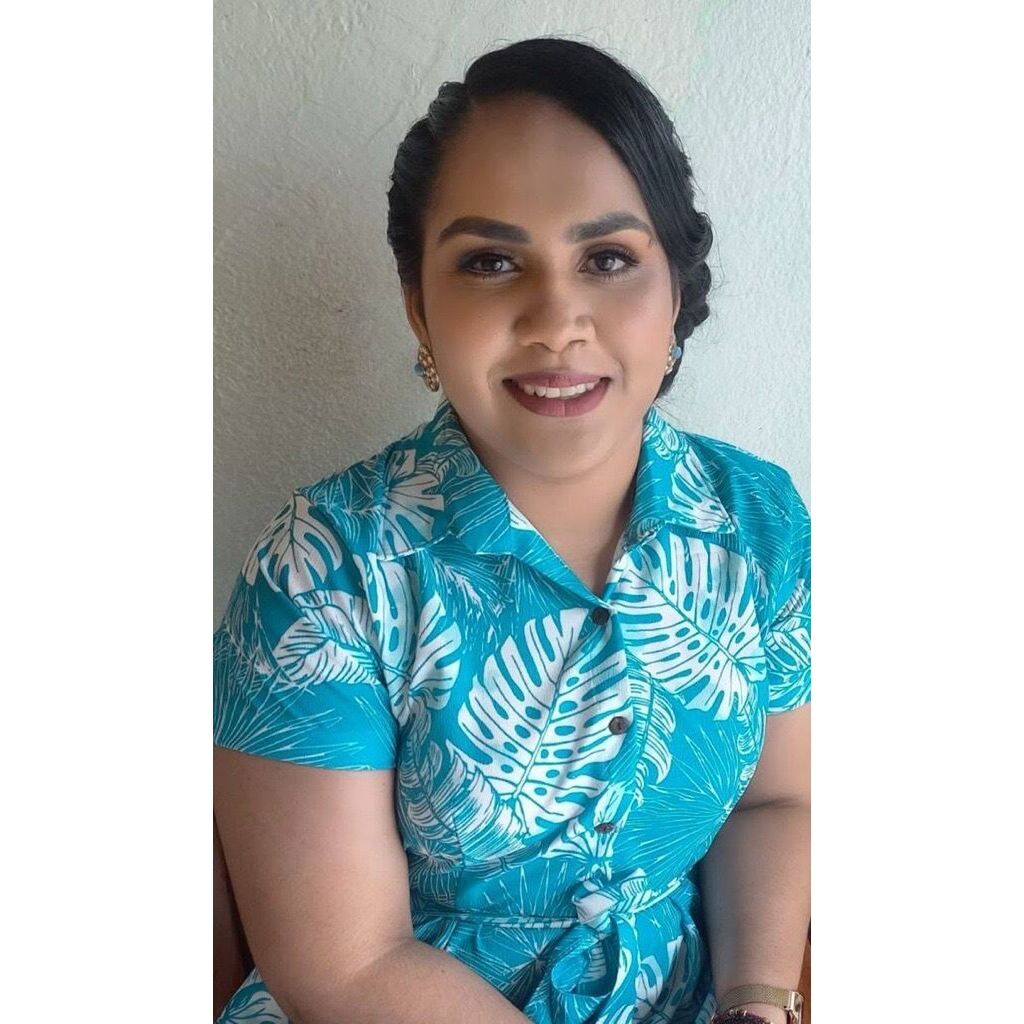
Authors: Stuart Raetz, Climate Resilient Communities, Primatia Romana Wulandari, Alinea International, Keren Winterford, University of Technology SydneyThis panel will explore and contrast Monitoring, Evaluation and Learning (MEL) insights from two Australian international development investments undertaking evaluative longitudinal case studies that aim to monitor changes in community and institutional resilience over an extended period: The Australian Water Partnership (AWP) and Climate Resilient Communities (CRC). AWP are retrospectively studying 10 years of water governance investments (2015–2025), while CRC are undertaking evaluative case studies in early stages of investments, exploring how communities are adapting to climate change in five countries (Cambodia, Fiji, Kiribati, Timor Leste and Tonga) in the Indo Pacific (2026 – 2029).
Drawing on emerging insights of evaluative practice, evidence and learnings the session will explore the enabling conditions that support community and institutional resilience in a changing climate. The panel will discuss:
1.Different vantage points reveal different resilience dynamics. AWP’s retrospective longitudinal analysis uncovers patterns of institutional strengthening, governance adaptation, and enabling conditions that only emerge over time, while CRC’s evaluative case studies will illuminate how climate resilience is context specific and driven by locally led adaptation practices.
2.Complementary methodologies strengthen evaluative insight. Both programs use participatory, outcome oriented, and complexity sensitive approaches—providing methodological alignment while generating distinct, mutually reinforcing evidence streams.
3.Integrated evidence supports better climate informed programming. When institutional governance evidence is paired with forward looking community insights, development programs gain stronger foundations for policy engagement, climate integration, and long-term investment planning.
The panel will provide examples from programming to contrast retrospective and forward-looking approaches to longitudinal case studies.
Audience interaction will be promoted through short provocations and facilitated reflection to elicit insights from the audience. The panel will support a practical understanding of the challenges and opportunities in defining resilience and stimulate discussion on how MEL can help programs to contribute to resilience outcomes, navigating complexity in a changing climate.