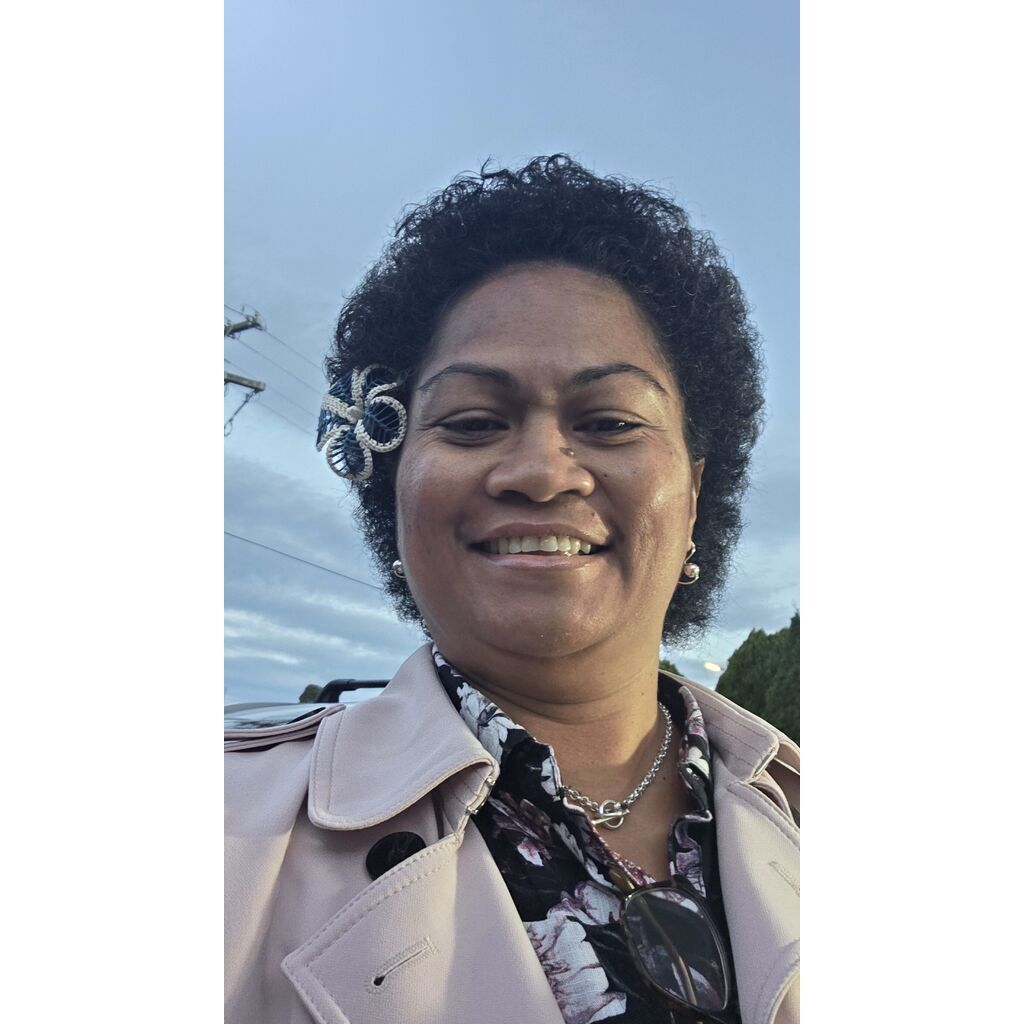
Author: Elisabeta Torava Evaluation practice in Indigenous communities across the Pacific and Australia often rely on Western tools that overlook relational obligations, kinship structures, and place based ethics. This session introduces a practical, culturally grounded evaluation approach based on vanua ontology, a relational worldview that positions land, people, and relationships as inseparable. Drawing from my doctoral research with iTaukei communities in Fiji, the session demonstrates how evaluators can design and implement evaluations that honour Indigenous values, strengthen relational accountability, and generate findings that communities recognise as meaningful. The objective is to demonstrate how evaluators can redesign Western tools and methods to honour Indigenous relational ethics, strengthen cultural integrity, and generate findings that communities recognise and relate with. This work is important because many evaluation tools used across the Pacific and Australia continue to erase relational systems, producing invisibility, misinterpretation, and unintended harm. The core argument is that evaluation practice must shift from individualistic, decontextualised measures to relational, place‑based approaches grounded in Indigenous worldviews. Three key messages will be shared: - Western evaluation tools often embed assumptions that conflict with Indigenous relational logics. - Vanua‑aligned principles offer a culturally coherent foundation for ethical, rigorous evaluation. - Practical redesign is possible when evaluators centre relationships, place, and collective wellbeing. Designed as a skill‑building session, the presentation uses hands‑on activities rather than lecture. Participants will analyse a standard Western evaluation tool, identify where invisibility occurs, and collaboratively redesign selected questions using vanua‑based principles. A case vignette and mapping template will guide this process. Interactivity is promoted through small‑group work, collective mapping, movement‑based clustering, and facilitated dialogue. Participants will leave with a practical mini‑framework and concrete tools they can apply immediately in their own evaluation practice.